

Understanding Amazon's Cash Flow Hurdles: ALR and DD+7
For many e-commerce sellers, Amazon represents a vast marketplace, yet it also presents significant financial challenges, particularly concerning cash flow. Two major policies, the Account Level Reserve (ALR) and the "Delivery Date + 7 days" (DD+7) disbursement schedule, are increasingly throttling seller liquidity, making timely operations a constant battle.
What is Amazon's Account Level Reserve (ALR)?
The Account Level Reserve (ALR) is a mechanism Amazon uses to hold back a portion of a seller's funds. This reserve is intended to cover potential customer refunds, chargebacks, and other liabilities, particularly those associated with Amazon's 30-day return policy. While seemingly a protective measure for customers, it often means a substantial amount of a seller's earned revenue remains inaccessible for an extended period.
The calculation of ALR can be complex and variable, often taking into account factors like seller performance, sales volume, and the nature of products sold. For newer sellers or those experiencing a surge in sales, the ALR can be particularly aggressive, leaving little to no funds available for disbursement, even after products have been delivered and confirmed.
The Impact of "Delivery Date + 7 Days" (DD+7) Disbursement
Beyond the ALR, Amazon's standard disbursement policy, often referred to as "Delivery Date + 7 days" (DD+7), adds another layer of complexity. This policy dictates that funds from a sale are only released seven days *after* the customer receives the item. When combined with the transit time, processing time, and the 30-day return window influencing ALR, sellers can face delays of several weeks before seeing their money.
The Vicious Cycle: From Sales to Supply Chain Strain
The cumulative effect of ALR and DD+7 creates a severe working capital crunch. Sellers need cash to pay suppliers for new inventory, cover freight forwarding costs, and manage other operational expenses. When expected payouts are significantly reduced or delayed, it creates a domino effect:
- Delayed Supplier Payments: Inability to pay suppliers on time can strain relationships, impact future credit terms, and even lead to higher purchasing costs.
- Inventory Shortages: Without sufficient funds, sellers cannot reorder popular products, leading to stockouts and missed sales opportunities.
- Logistics Bottlenecks: Timely international freight forwarding and domestic last-mile delivery require upfront payments. Cash flow issues can impede the smooth flow of goods, leading to increased storage costs or delayed shipments.
- Reduced Profitability: Constantly chasing cash flow can divert resources from strategic growth initiatives and force sellers into less favorable financial arrangements.
Strategies to Mitigate Cash Flow Throttling
While Amazon's policies are non-negotiable, sellers can adopt several strategies to minimize their impact:
Optimizing Inventory Management
Efficient inventory management is paramount. By accurately forecasting demand and optimizing stock levels, sellers can reduce the amount of capital tied up in slow-moving inventory. Just-in-time (JIT) approaches, where feasible, can help, but must be balanced against the risk of stockouts.
Diversifying Sales Channels
Relying solely on Amazon for sales can amplify the impact of ALR and DD+7. Expanding to other marketplaces, developing a proprietary e-commerce website, or exploring wholesale channels can diversify revenue streams and improve overall cash flow stability.
Leveraging Logistics for Speed and Efficiency
Expedited freight forwarding services can reduce transit times, bringing the DD+7 clock forward. Partnering with a logistics provider that offers efficient customs clearance and fast last-mile delivery can shave crucial days off the cash cycle. This also reduces the risk of long holding periods that might trigger higher ALR percentages.
Exploring External Financing Options
For some sellers, external financing options like lines of credit, inventory financing, or even invoice factoring might be necessary to bridge the gap. It's crucial to carefully evaluate the costs and benefits of such solutions.
Proactive Financial Planning and Monitoring
Regularly monitoring cash flow projections, understanding your ALR percentage, and maintaining a robust financial buffer are essential. This allows sellers to anticipate potential shortfalls and plan accordingly, rather than reacting to crises.
Amazon's ALR and DD+7 policies are significant hurdles for sellers, but with strategic planning and a proactive approach to logistics and financial management, their impact can be effectively managed, ensuring business continuity and growth.
-

Navigating Amazon's Account Level Reserve (ALR) and Cash Flow Throttling: A Guide for Sellers
Amazon's Account Level Reserve (ALR) and "Delivery Date + 7 days" (DD+7) disbursement policies are severely impacting seller cash flow, making it challenging to pay suppliers and restock inventory. Understanding these mechanisms is crucial for maintaining financial stability and operational efficiency in e-commerce. Strategic logistics and proactive financial planning can help mitigate these significant funding delays.
2026-05-06
-
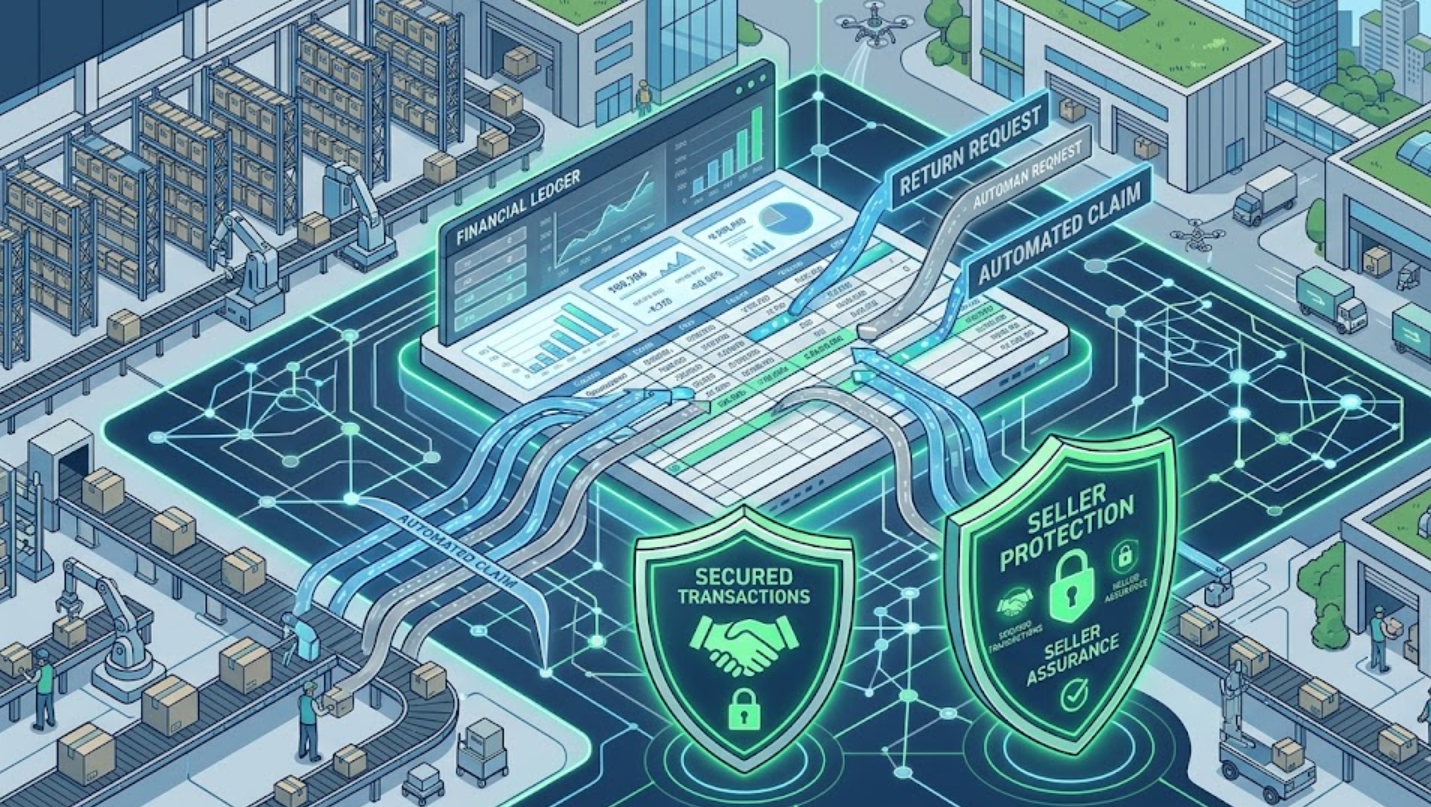
Navigating Amazon's A-to-Z Guarantee: Mitigating Seller-Funded Return Abuse
Amazon's automated A-to-Z Guarantee claims and escalating return abuse present a critical financial challenge for e-commerce sellers, often leading to uninvestigated, seller-funded losses. This trend, exacerbated by strict enforcement of doctrines like the First Sale Rule, necessitates proactive strategies to protect seller profitability. Understanding these dynamics and implementing robust mitigation tactics is essential for sustainable online business operations.
2026-04-29


