

Navigating Amazon's A-to-Z Guarantee: Mitigating Seller-Funded Return Abuse
The digital marketplace offers unparalleled reach, yet it also introduces complex operational challenges, particularly concerning customer claims and returns. For sellers operating on platforms like Amazon, the "A-to-Z Guarantee" system, while designed to build buyer confidence, has evolved into a significant financial burden, often without adequate seller protection.
The Expanding Challenge of A-to-Z Claims
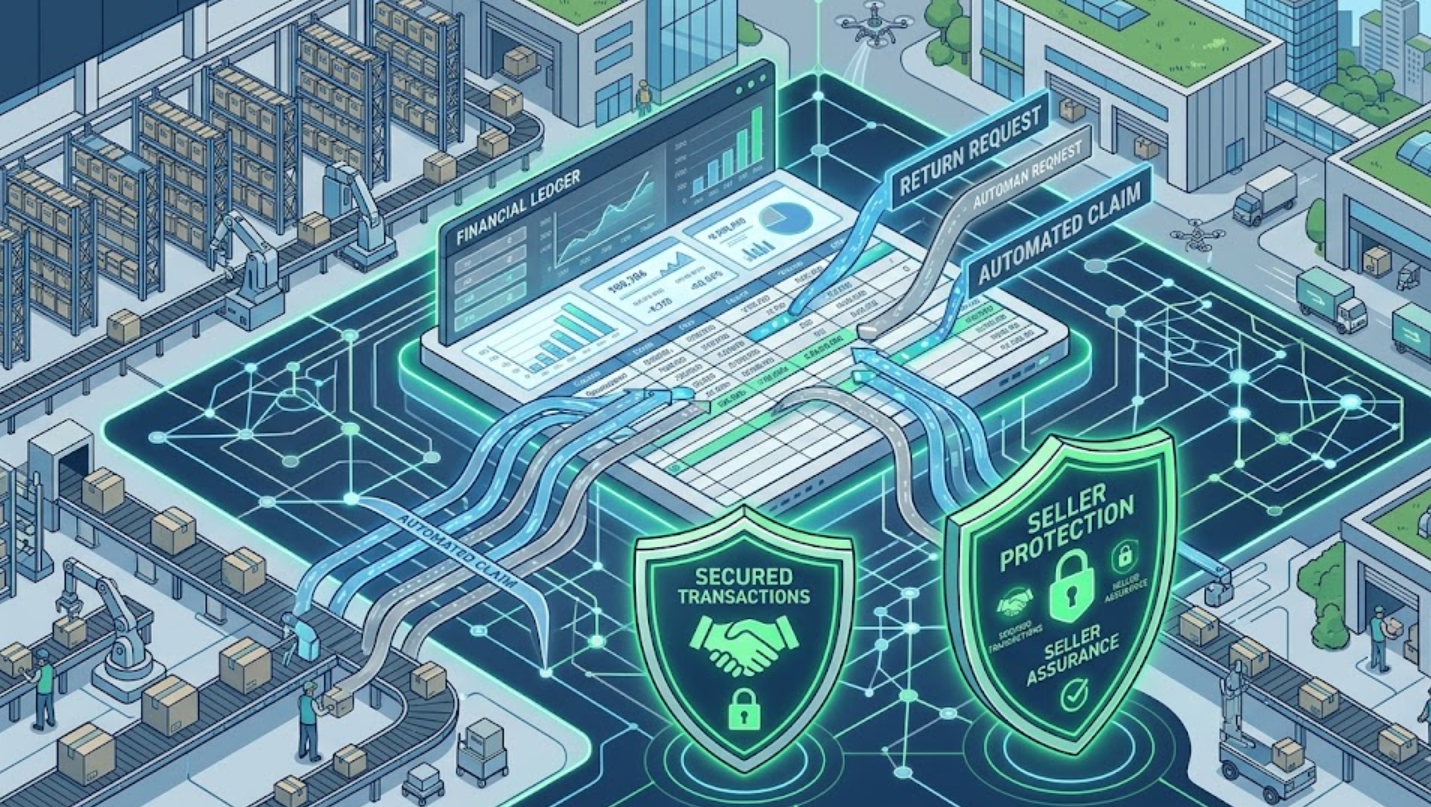
The core issue lies in the automation of the A-to-Z Guarantee claims process. Many sellers report an uptick in claims being automatically granted in favor of the buyer, often designated as "Seller Funded" immediately, circumventing thorough investigation. This places the financial responsibility squarely on the seller, regardless of the claim's legitimacy or the buyer's actual adherence to return policies.
Automated Approvals and Seller-Funded Losses
This automated approval process can bypass crucial due diligence, leading to situations where sellers absorb costs for claims that, upon manual review, might be invalid. The lack of detailed investigation before funds are disbursed creates a systemic vulnerability for sellers, making them susceptible to financial exploitation.
The Impact of Buyer Return Policy Abuse
Beyond the automated system, the problem is compounded by widespread buyer return policy abuse. This includes buyers claiming "item not received" when tracking indicates delivery, returning different items, or misrepresenting the condition of a returned product. Such actions, often difficult to dispute effectively within the automated system, directly impact a seller's bottom line.
Understanding the First Sale Doctrine's Double Edge
The First Sale Doctrine, a legal principle allowing buyers to resell a legally purchased copyrighted work, creates an additional layer of complexity. While intended to promote legitimate commerce, its strict enforcement on platforms can disadvantage sellers. For instance, if a seller resells an item, and a subsequent buyer alleges it's counterfeit, the original seller might struggle to defend against the claim, even with proof of authentic purchase, due to the platform's often rigid interpretation or lack of nuanced investigation.
"Item Not Received" and False Counterfeit Claims
Two prevalent forms of abuse leveraging these systemic weaknesses are "item not received" claims and false counterfeit accusations. The former often occurs despite clear delivery confirmation, leaving sellers to dispute against platform algorithms. The latter, particularly damaging, can result in account suspensions and inventory seizures, even when the seller has a legitimate sourcing history for the products.
Strategic Mitigation for Sellers
Addressing this growing challenge requires a proactive and strategic approach. Sellers cannot simply absorb these losses; they must implement robust practices to mitigate risk and defend against unjust claims.
Proactive Documentation and Communication
Meticulous record-keeping is paramount. Document every stage of the shipping process, including packaging, tracking, and delivery confirmations. Maintain clear communication records with buyers. For high-value items, consider signature confirmation services. In cases of alleged counterfeiting, retain all purchase invoices, supplier information, and authentication certificates.
Leveraging Logistics Partnerships
Working with experienced logistics partners can provide critical advantages. A reliable freight forwarder like Cathy Logistics can offer enhanced tracking capabilities, secure warehousing, and expert advice on international shipping compliance, all of which strengthen a seller's position in disputes. Their insights into packaging integrity and shipping best practices can reduce "item not received" claims and potential damage disputes.
The Path Forward for Sustainable E-commerce
The financial burden of automated A-to-Z Guarantee claims and return abuse is a brutal reality for many Amazon sellers. However, by understanding the mechanisms of these challenges and implementing strategic, data-driven mitigation efforts, sellers can protect their profitability and ensure the long-term sustainability of their e-commerce operations. This includes internal procedural excellence combined with leveraging external expertise in logistics and dispute resolution.
-

Navigating Amazon's Account Level Reserve (ALR) and Cash Flow Throttling: A Guide for Sellers
Amazon's Account Level Reserve (ALR) and "Delivery Date + 7 days" (DD+7) disbursement policies are severely impacting seller cash flow, making it challenging to pay suppliers and restock inventory. Understanding these mechanisms is crucial for maintaining financial stability and operational efficiency in e-commerce. Strategic logistics and proactive financial planning can help mitigate these significant funding delays.
2026-05-06
-
Navigating Amazon's A-to-Z Guarantee: Mitigating Seller-Funded Return Abuse
Amazon's automated A-to-Z Guarantee claims and escalating return abuse present a critical financial challenge for e-commerce sellers, often leading to uninvestigated, seller-funded losses. This trend, exacerbated by strict enforcement of doctrines like the First Sale Rule, necessitates proactive strategies to protect seller profitability. Understanding these dynamics and implementing robust mitigation tactics is essential for sustainable online business operations.
2026-04-29


