
-

Navigating Amazon's Account Level Reserve (ALR) and Cash Flow Throttling: A Guide for Sellers
Amazon's Account Level Reserve (ALR) and "Delivery Date + 7 days" (DD+7) disbursement policies are severely impacting seller cash flow, making it challenging to pay suppliers and restock inventory. Understanding these mechanisms is crucial for maintaining financial stability and operational efficiency in e-commerce. Strategic logistics and proactive financial planning can help mitigate these significant funding delays.
넶0 2026-05-06 -
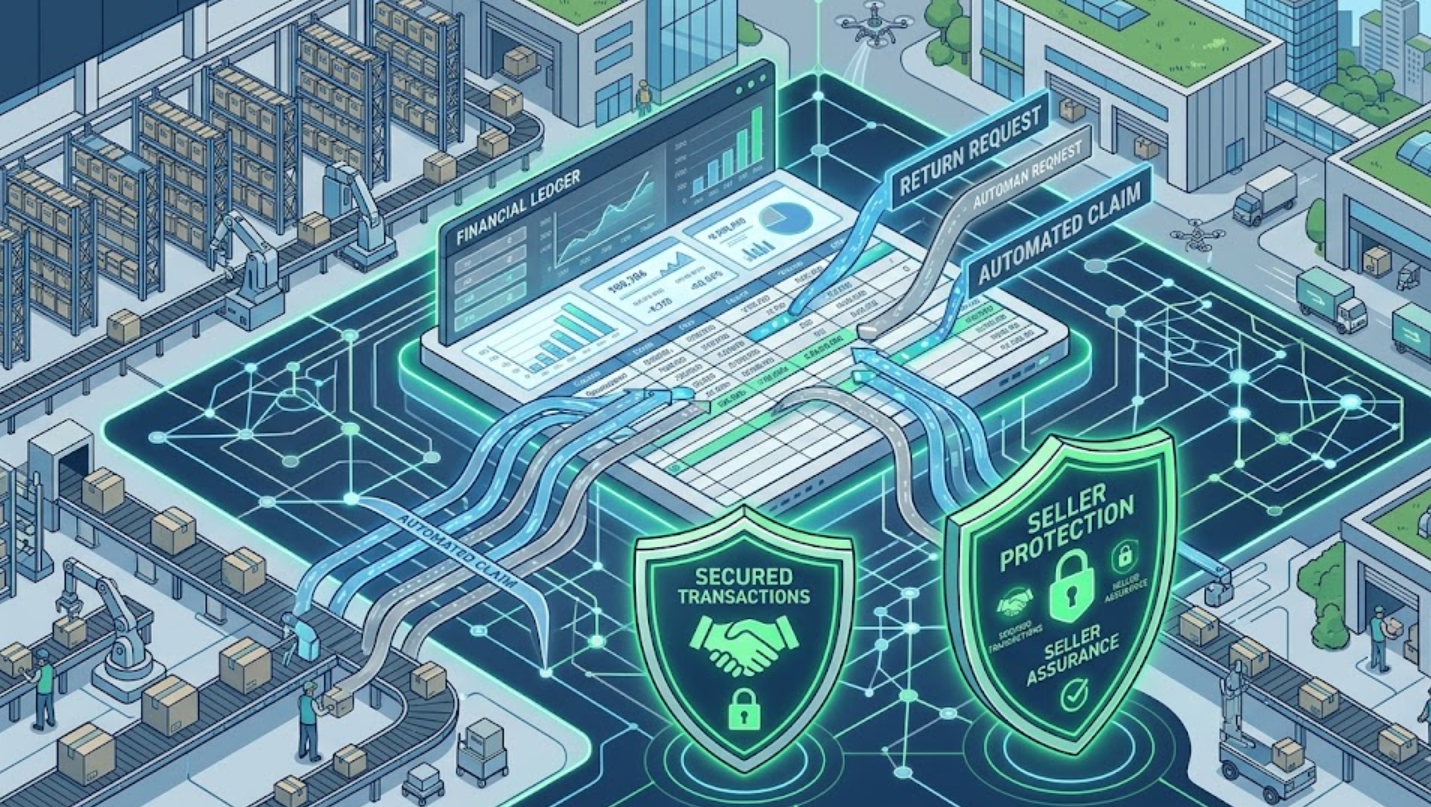
Navigating Amazon's A-to-Z Guarantee: Mitigating Seller-Funded Return Abuse
Amazon's automated A-to-Z Guarantee claims and escalating return abuse present a critical financial challenge for e-commerce sellers, often leading to uninvestigated, seller-funded losses. This trend, exacerbated by strict enforcement of doctrines like the First Sale Rule, necessitates proactive strategies to protect seller profitability. Understanding these dynamics and implementing robust mitigation tactics is essential for sustainable online business operations.
넶15 2026-04-29 -
Navigating Amazon's Account Level Reserve: Strategies for E-commerce Cash Flow Resilience
Amazon's Account Level Reserve (ALR) and recent payment delays are severely impacting e-commerce sellers' cash flow. These policies, often citing delivery dates plus seven days (DD+7) or unexplained internal reviews, combined with failed COD remittances and broken bank portals, create significant operational challenges. Understanding and proactively managing these financial holds is crucial for maintaining supplier relationships and ensuring business continuity.
넶14 2026-04-27 -
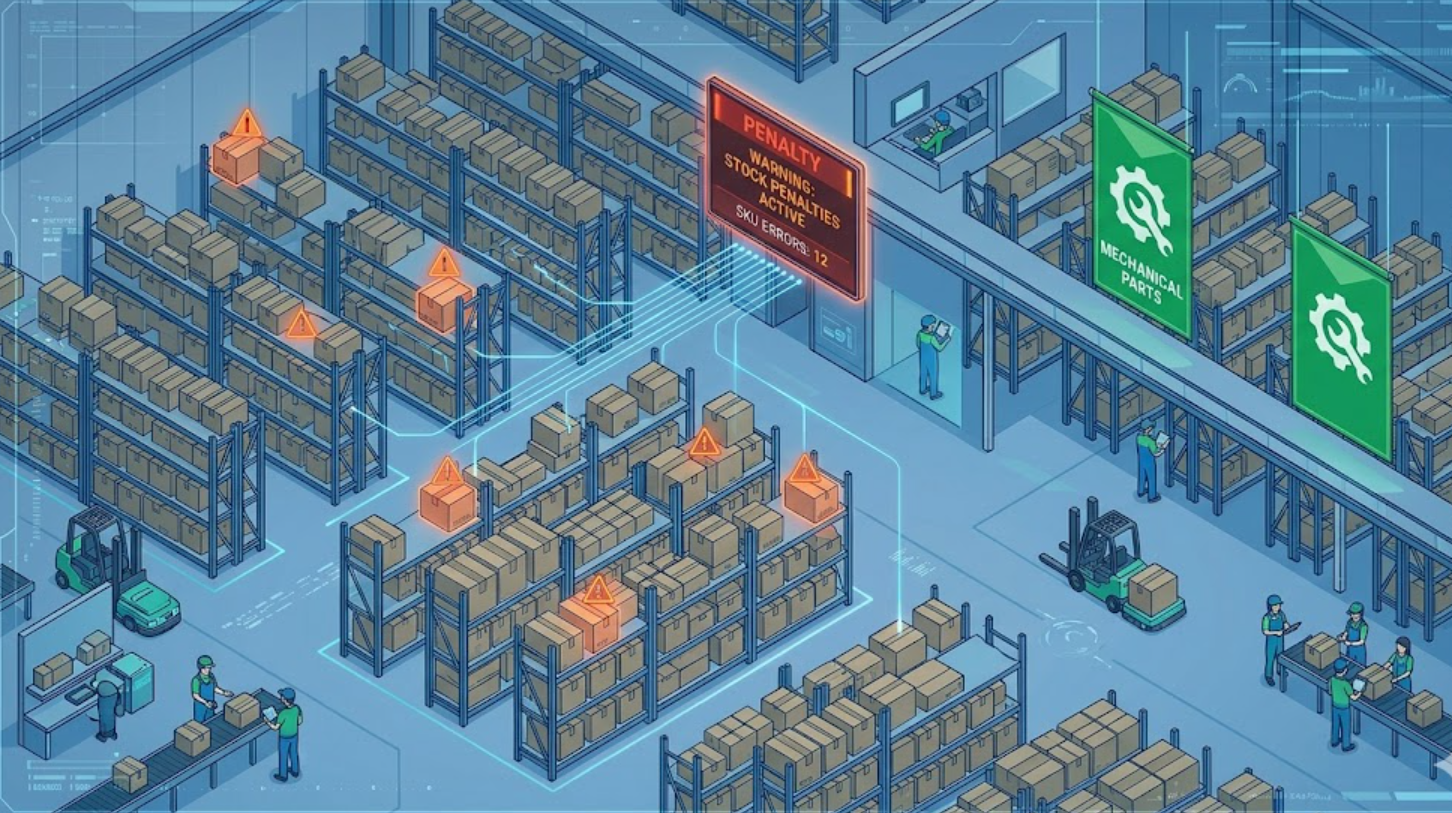
Navigating Amazon's 2026 FNSKU Low-Inventory-Level Fee Changes: A Strategic Guide
Amazon's upcoming 2026 shift to FNSKU-level low-inventory fees presents a significant challenge for sellers, particularly those managing product variations. This change penalizes individual stock-keeping units, leading to unexpected costs for necessary but slower-moving variations. Proactive inventory optimization and strategic planning are crucial to mitigate these new financial impacts and maintain profitability.
넶21 2026-04-24 -
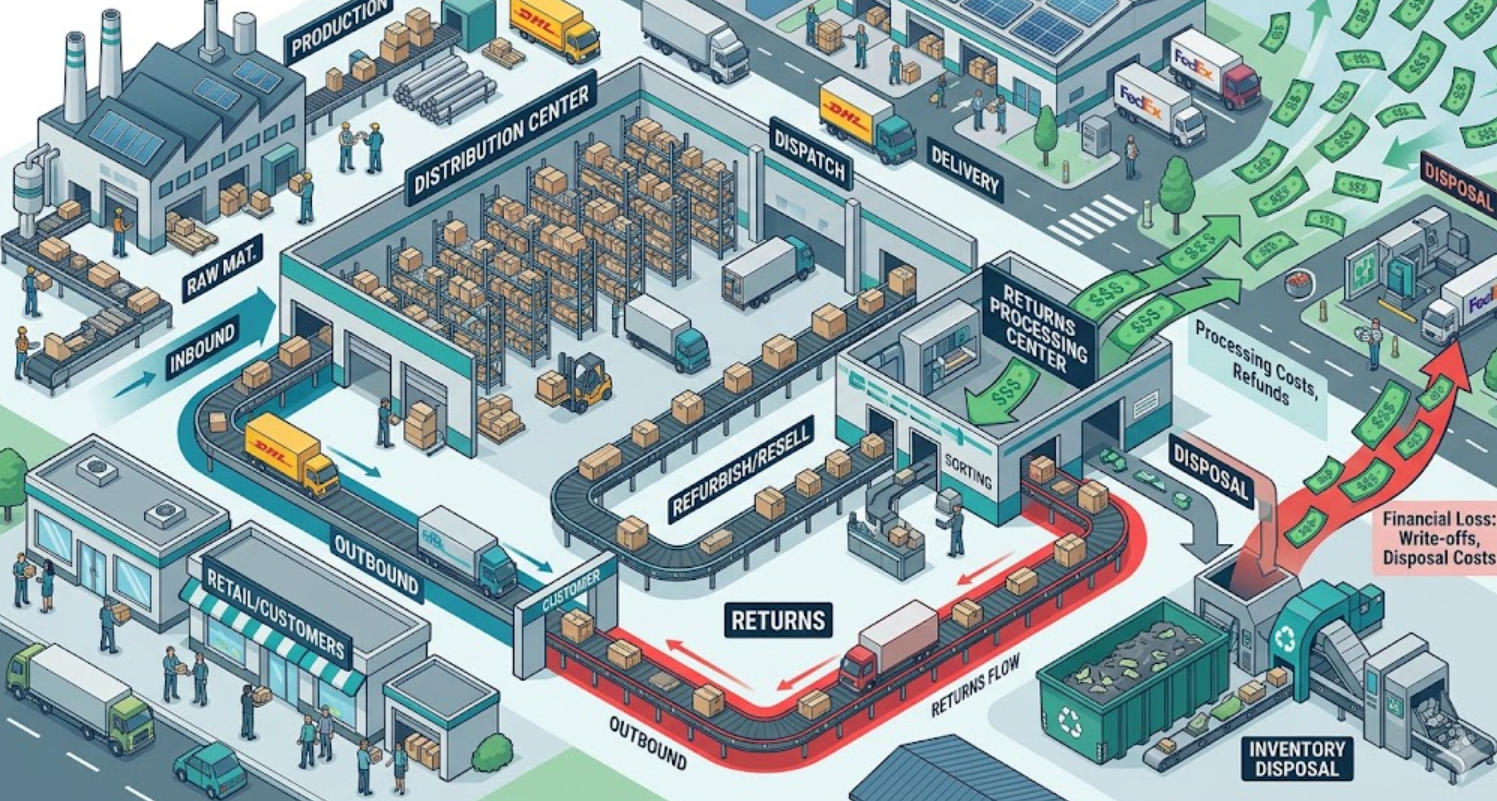
Navigating the Profit Drain: E-commerce Returns and Inventory Disposal Losses
The financial burden of customer returns and subsequent inventory disposal remains a significant challenge for e-commerce sellers, often eroding profitability. Platforms shifting return shipping costs and offering minimal liquidation values exacerbate this issue. Strategic management of reverse logistics is crucial to mitigate these substantial financial hits.
넶26 2026-04-20 -

Navigating Amazon's ALR: Strategies for Sellers to Mitigate Cash Flow Chokeholds
Amazon's Account Level Reserve (ALR) and deferred payout policies are severely impacting seller cash flow, making it difficult to manage operations and procure inventory. This blog post demystifies the ALR policy and its implications, offering proactive strategies for sellers to maintain financial stability. Understanding and adapting to these challenges is crucial for sustainable e-commerce success.
넶32 2026-04-16 -
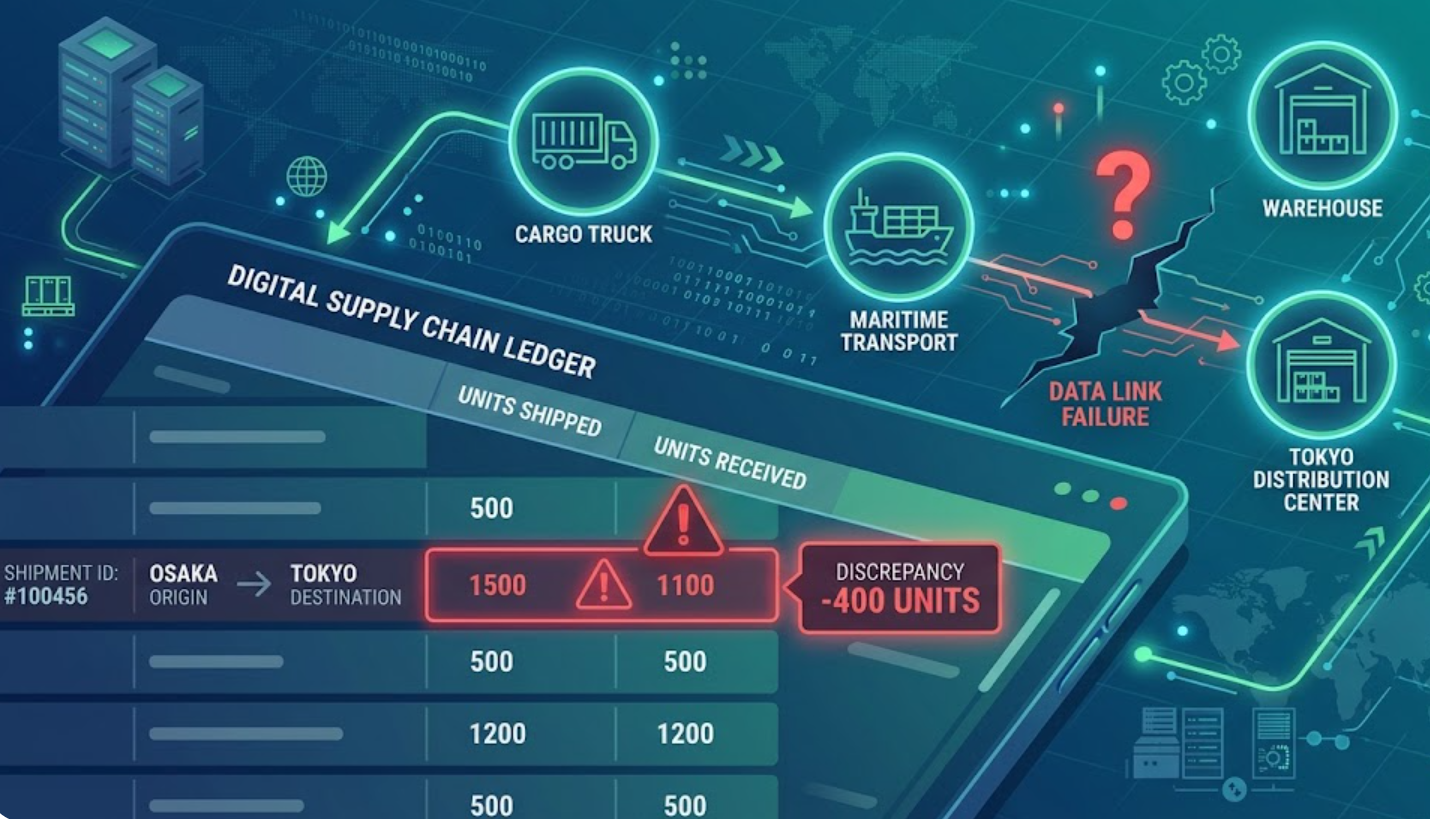
Navigating Amazon FBA's 'Lost Inventory' Crisis: Strategies for Sellers
Amazon FBA sellers frequently encounter the frustrating "lost inventory" issue, where shipments with confirmed Proof of Delivery (POD) are recorded as "0 units received." This creates a detrimental cycle of blame between Amazon Seller Support and carriers, leaving sellers without resolution. This blog explores the problem's impact and offers proactive strategies for mitigation, emphasizing the critical role of robust logistics support.
넶39 2026-04-08


