

Navigating Amazon's Account Level Reserve: Strategies for E-commerce Cash Flow Resilience
The intricate world of e-commerce logistics, particularly on platforms as dominant as Amazon, often presents unforeseen challenges. One of the most pressing concerns for sellers today is Amazon's Account Level Reserve (ALR) policy and the escalating payment delays it entails. This issue is not merely an administrative hurdle; it's a critical threat to seller cash flow, supplier relationships, and overall business sustainability.
Understanding Amazon's Account Level Reserve (ALR)
Amazon's Account Level Reserve is a mechanism designed to ensure that funds are available to cover potential chargebacks, A-to-Z claims, or other seller-related liabilities. While the principle aims to protect buyers and Amazon, its implementation often leads to substantial portions of a seller's earned revenue being held back. Common triggers for these holds include new seller status, high sales volume, or product categories deemed higher risk.
A particularly frustrating aspect for many sellers is the "delivery date plus 7 days" (DD+7) calculation. This means funds are held not just until delivery, but for an additional week, extending the payment cycle significantly. Furthermore, some reserves are placed under "internal review," offering little transparency or a clear timeline for release, leaving sellers in the dark.
The Crippling Impact on Seller Cash Flow
For most e-commerce businesses, cash flow is the lifeblood. Delayed access to funds, whether due to ALR or other payment holds, creates a cascade of operational difficulties:
- Inability to Pay Suppliers: Timely payment to suppliers is paramount for maintaining good relationships, securing favorable terms, and ensuring consistent inventory. Delays here can lead to strained partnerships and even supply chain disruptions.
- Hindered Inventory Replenishment: With capital tied up, sellers struggle to reorder popular products, leading to stockouts and lost sales opportunities.
- Operational Stagnation: Essential investments in marketing, staffing, or expansion become impossible without predictable access to revenue.
- Increased Borrowing Costs: Businesses might be forced to seek short-term loans or lines of credit to bridge the payment gap, incurring additional interest expenses.
Recent Escalations: Failed COD Remittances and Broken Bank Portals
Adding to the ALR burden, recent weeks have seen a surge in complaints regarding specific, acute failures. Sellers report failed Cash-on-Delivery (COD) remittances, where collected cash simply isn't transferred to their accounts. Compounding this, a number of sellers have encountered non-functional or broken bank update portals, preventing them from even attempting to correct payment information or track missing funds. These technical glitches, combined with existing ALR policies, are creating an unprecedented cash flow crisis for many.
Strategies for Mitigating Payment Delay Risks
While the root issues often lie with platform policies, sellers are not without recourse. Proactive strategies can help cushion the impact:
Diversify Sales Channels
Relying solely on one platform, however large, concentrates risk. Expanding to other marketplaces, developing a proprietary e-commerce website, or exploring wholesale channels can reduce dependency on Amazon's payment cycles.
Robust Financial Forecasting
Implement meticulous cash flow forecasting that accounts for potential payment delays. Factor in ALR percentages and extended payout windows into your financial models to anticipate liquidity needs.
Optimize Inventory Management
Efficient inventory management minimizes capital tied up in stock. Utilize just-in-time (JIT) strategies where feasible, and regularly analyze sales velocity to avoid overstocking slow-moving items.
Maintain Open Communication with Suppliers
Transparency with suppliers about potential payment variations can help manage expectations and build resilience into your supply chain. Explore flexible payment terms or early payment discounts if cash flow permits.
Explore Alternative Financing Options
Investigate alternative financing solutions such as invoice factoring, lines of credit specifically designed for e-commerce sellers, or short-term working capital loans to bridge unexpected payment gaps.
The current landscape demands heightened vigilance and strategic financial planning from Amazon sellers. By understanding the mechanisms of ALR and proactively implementing mitigation strategies, businesses can better navigate these challenges and safeguard their financial health.
-

Navigating Amazon's Account Level Reserve (ALR) and Cash Flow Throttling: A Guide for Sellers
Amazon's Account Level Reserve (ALR) and "Delivery Date + 7 days" (DD+7) disbursement policies are severely impacting seller cash flow, making it challenging to pay suppliers and restock inventory. Understanding these mechanisms is crucial for maintaining financial stability and operational efficiency in e-commerce. Strategic logistics and proactive financial planning can help mitigate these significant funding delays.
2026-05-06
-
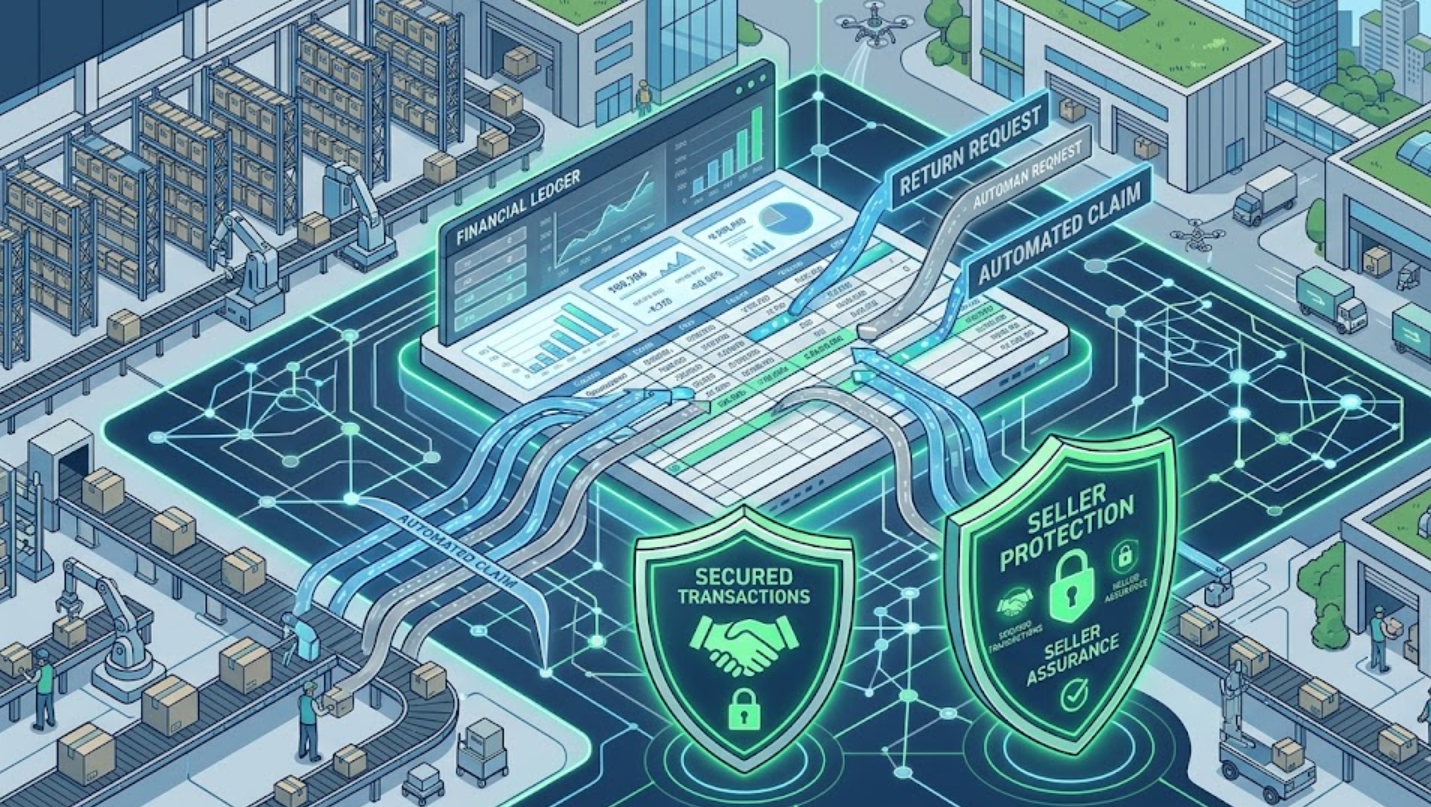
Navigating Amazon's A-to-Z Guarantee: Mitigating Seller-Funded Return Abuse
Amazon's automated A-to-Z Guarantee claims and escalating return abuse present a critical financial challenge for e-commerce sellers, often leading to uninvestigated, seller-funded losses. This trend, exacerbated by strict enforcement of doctrines like the First Sale Rule, necessitates proactive strategies to protect seller profitability. Understanding these dynamics and implementing robust mitigation tactics is essential for sustainable online business operations.
2026-04-29


