

Navigating the Profit Drain: E-commerce Returns and Inventory Disposal Losses
The burgeoning world of e-commerce has opened unprecedented opportunities for businesses, yet it comes with its own set of complex challenges. Among the most pressing for sellers is the significant financial burden imposed by customer returns and the subsequent disposal of unsellable inventory. These often-overlooked aspects of the supply chain can dramatically impact a business's bottom line.
The Mounting Costs of Customer Returns
Customer returns are an unavoidable part of online retail. However, the true cost extends far beyond the initial product value.
The Discretionary Return Dilemma
Many returns are not due to product defects but rather discretionary reasons – a customer changed their mind, ordered the wrong size, or simply used the item for a short period and returned it. While platforms like Amazon champion customer-centric policies, the financial brunt often falls squarely on the seller. This includes the cost of processing the return, inspection, repackaging, and, critically, the return shipping fees. When a seller is obligated to cover return shipping for discretionary reasons, it effectively means they pay for the outbound and inbound journey of a product that ultimately yields no sale, doubling the shipping expenditure for a single transaction.
Impact on Margins and Operational Efficiency
Each return consumes valuable resources – time, labor, and administrative overhead. The impact on profit margins can be severe, especially for lower-value items where the shipping and processing costs can quickly outweigh any potential profit. Furthermore, the constant influx of returns can strain warehousing and inventory management systems, leading to inefficiencies and increased operational costs.
The Inventory Disposal Predicament
Once an item is returned, it enters the reverse logistics pipeline. Not all returned goods can be resold as new. Damaged, opened, or out-of-season items often need to be liquidated or disposed of, presenting another major financial hurdle.
Liquidation: A "Pennies on the Dollar" Reality
For many sellers, particularly those operating on large marketplaces, liquidation options for unsellable inventory offer incredibly low recovery rates. Amazon's liquidation and disposal programs, for instance, frequently provide only a tiny fraction of the original product's value. This means sellers absorb a massive loss, transforming potential revenue into a significant write-off. The goal of clearing warehouse space often comes at an exorbitant financial cost.
The Environmental and Ethical Dimensions
Beyond the financial aspect, the disposal of vast quantities of returned or unsellable inventory raises environmental concerns. The sheer volume of waste generated by e-commerce returns contributes to landfill issues. Sellers are increasingly seeking more sustainable alternatives, though these often come with their own set of logistical complexities and costs.
Strategies for Mitigation and Optimization
Addressing the dual burden of returns and disposal requires a proactive and strategic approach.
Enhance Product Information and Customer Education
Detailed product descriptions, high-quality images, accurate sizing charts, and even customer reviews can significantly reduce the likelihood of discretionary returns. Clearer product expectations lead to higher customer satisfaction and fewer returns.
Optimize Internal Return Processes
For sellers managing their own returns, streamlining inspection, grading, and restocking procedures can minimize labor costs and speed up the reintroduction of viable products back into inventory.
Explore Alternative Liquidation Channels
While marketplace-specific liquidation options may be limited, exploring third-party liquidators, secondary markets, donation programs, or even repurposing/recycling initiatives can offer better recovery rates or reduce disposal costs. Building relationships with specialized liquidators can often yield better returns than default marketplace options.
Focus on Quality Control and Supplier Management
Reducing defective products through stringent quality control measures at the manufacturing stage and maintaining strong relationships with reliable suppliers can significantly decrease returns due to product faults.
The financial burden of customer returns and inventory disposal is a critical component of e-commerce profitability. By understanding these challenges and implementing strategic reverse logistics management, businesses can transform potential losses into opportunities for greater efficiency and sustainability.
-

Navigating Amazon's Account Level Reserve (ALR) and Cash Flow Throttling: A Guide for Sellers
Amazon's Account Level Reserve (ALR) and "Delivery Date + 7 days" (DD+7) disbursement policies are severely impacting seller cash flow, making it challenging to pay suppliers and restock inventory. Understanding these mechanisms is crucial for maintaining financial stability and operational efficiency in e-commerce. Strategic logistics and proactive financial planning can help mitigate these significant funding delays.
2026-05-06
-
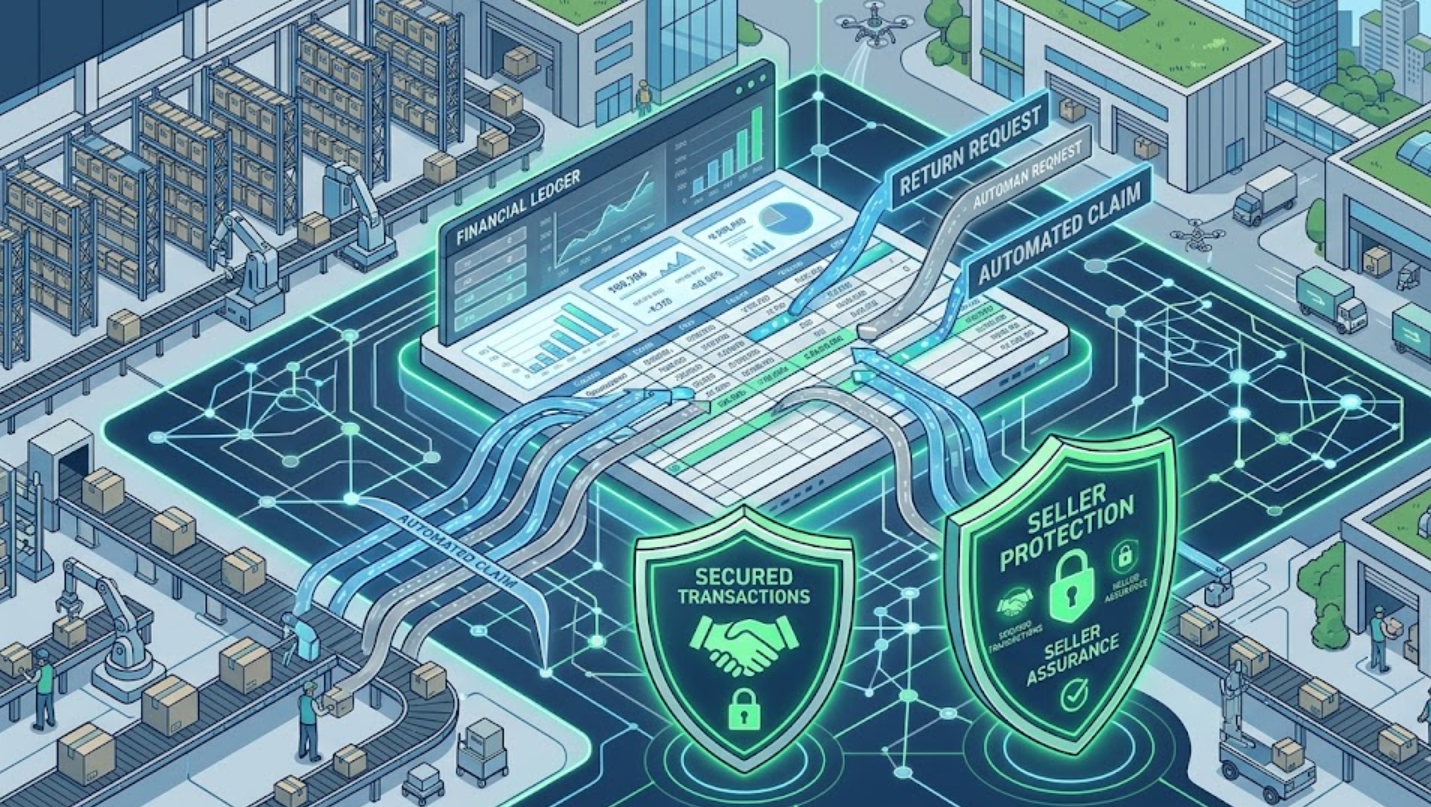
Navigating Amazon's A-to-Z Guarantee: Mitigating Seller-Funded Return Abuse
Amazon's automated A-to-Z Guarantee claims and escalating return abuse present a critical financial challenge for e-commerce sellers, often leading to uninvestigated, seller-funded losses. This trend, exacerbated by strict enforcement of doctrines like the First Sale Rule, necessitates proactive strategies to protect seller profitability. Understanding these dynamics and implementing robust mitigation tactics is essential for sustainable online business operations.
2026-04-29


