

Understanding Amazon's Account Level Reserve (ALR) and Its Impact on Your Business
In the dynamic world of e-commerce, few things are as critical to a seller's survival and growth as predictable cash flow. Recently, Amazon's Account Level Reserve (ALR) policy, alongside deferred payout mechanisms like the DD+7 orders policy, has become a significant point of contention and financial strain for many third-party sellers. This policy allows Amazon to withhold a portion of a seller's sales funds as a "cash reserve," often indefinitely, creating substantial cash flow chokeholds.
What is Amazon's Account Level Reserve (ALR)?
The ALR is a mechanism by which Amazon retains a portion of a seller's funds to cover potential future liabilities, such as customer returns, chargebacks, or A-to-z claims. While the concept of a reserve isn't inherently new in marketplace selling, the increasing unpredictability, lack of transparency, and the sheer volume of funds being held under the current ALR and deferred payout policies have escalated concerns among sellers. Policies like "DD+7 Deferred orders" further exacerbate the issue by delaying payouts for specific order types, compounding the cash flow squeeze.
The Real-World Impact: Crippled Cash Flow and Operational Hurdles
The immediate and most severe consequence of ALR is its detrimental effect on a seller's cash flow. Imagine making a sale, only for a significant percentage of that revenue to be held indefinitely by the platform. This scenario leads to:
- Inventory Procurement Challenges: Without access to earned funds, sellers struggle to purchase new inventory, leading to stockouts and missed sales opportunities.
- Supplier Payment Delays: The inability to pay suppliers on time can damage relationships and potentially lead to less favorable payment terms or even supply chain disruptions.
- Operational Instability: Day-to-day expenses, marketing investments, and payroll can become difficult to manage, threatening the very stability of the business.
- Lack of Financial Predictability: Many sellers report receiving inconsistent, unreconcilable payout amounts, making accurate financial forecasting nearly impossible. This uncertainty breeds anxiety and hinders strategic planning.
Strategies to Mitigate ALR's Impact and Stabilize Cash Flow
While the ALR policy is controlled by Amazon, sellers are not without options. Proactive financial management and strategic planning can help mitigate its adverse effects:
Diversify Sales Channels
Reducing over-reliance on a single marketplace is a fundamental risk management strategy. Explore selling on other platforms (eBay, Walmart, Shopify stores) to diversify your revenue streams and minimize the impact of policy changes from one platform.
Optimize Inventory Management
Implement lean inventory practices. Focus on high-velocity items, utilize just-in-time inventory where feasible, and improve forecasting accuracy to reduce capital tied up in slow-moving stock. This minimizes the amount of capital needing to be "freed up" from Amazon payouts.
Explore Alternative Funding Solutions
Consider short-term lines of credit, inventory financing, or alternative lending options designed for e-commerce businesses. These can bridge the gap between sales and delayed payouts, ensuring you have capital to reinvest when needed.
Build Strong Supplier Relationships
Negotiate favorable payment terms with your suppliers. Longer payment windows can provide crucial breathing room, offsetting Amazon's delayed payouts. Transparency with your suppliers about potential payment cycles can also foster trust.
Maintain Rigorous Financial Tracking
Monitor your Amazon Seller Central account closely. Reconcile payouts meticulously against your sales. While challenging, identifying discrepancies and understanding the patterns of ALR deductions can help in forecasting and dispute resolution.
Proactive Seller Performance Management
Strong seller performance metrics (low return rates, fast shipping, excellent customer service) can sometimes reduce the perceived risk by Amazon, potentially influencing ALR calculations, although this is not a guaranteed solution.
Cathy Logistics: Your Partner in Navigating E-commerce Challenges
At Cathy Logistics, we understand the complexities and frustrations that come with e-commerce operations. From managing intricate supply chains to optimizing freight forwarding, we provide the strategic support you need to keep your inventory flowing and your business thriving, even in the face of marketplace policy shifts. Our expertise helps you streamline your logistics, ensuring that when your funds do become available, your supply chain is ready to execute.
The unpredictable nature of Amazon's ALR policy presents a significant hurdle for many sellers. By adopting a multi-faceted approach to financial management, diversifying sales, and optimizing logistics, sellers can build a more resilient business model capable of weathering these challenges. Staying informed and proactive is key to turning these obstacles into opportunities for strategic growth.
-

Navigating Amazon's Account Level Reserve (ALR) and Cash Flow Throttling: A Guide for Sellers
Amazon's Account Level Reserve (ALR) and "Delivery Date + 7 days" (DD+7) disbursement policies are severely impacting seller cash flow, making it challenging to pay suppliers and restock inventory. Understanding these mechanisms is crucial for maintaining financial stability and operational efficiency in e-commerce. Strategic logistics and proactive financial planning can help mitigate these significant funding delays.
2026-05-06
-
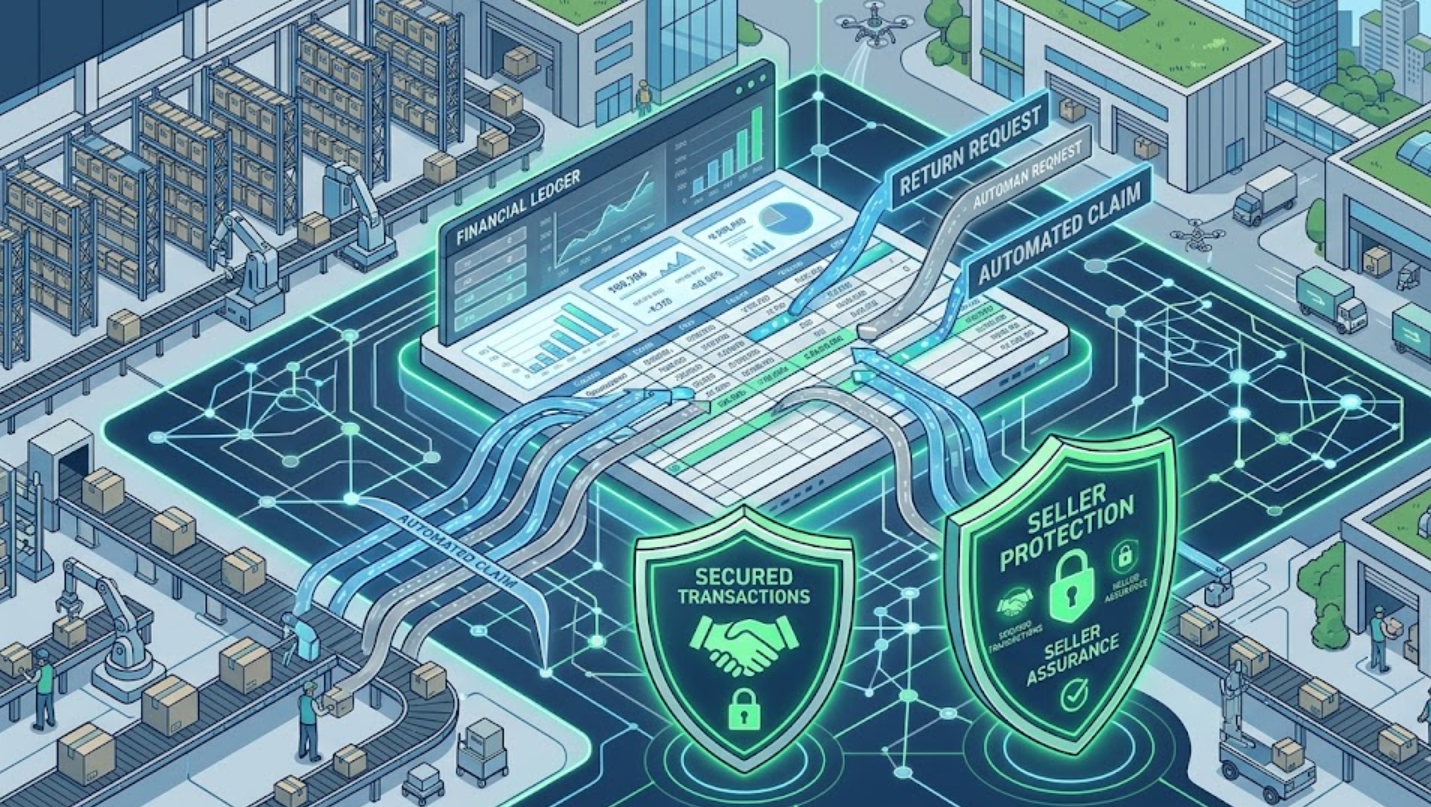
Navigating Amazon's A-to-Z Guarantee: Mitigating Seller-Funded Return Abuse
Amazon's automated A-to-Z Guarantee claims and escalating return abuse present a critical financial challenge for e-commerce sellers, often leading to uninvestigated, seller-funded losses. This trend, exacerbated by strict enforcement of doctrines like the First Sale Rule, necessitates proactive strategies to protect seller profitability. Understanding these dynamics and implementing robust mitigation tactics is essential for sustainable online business operations.
2026-04-29


