

The landscape of Amazon FBA is undergoing a significant transformation with the impending phase-out of its commingling, or "stickerless," inventory program for specific categories. Effective for shipments sent on or after March 31, 2026, this policy shift mandates that all inventory must be individually barcoded with a unique FNSKU. While Amazon frames this as a measure to enhance brand protection and combat counterfeiting, the operational implications for sellers are substantial, demanding immediate strategic recalibration.
Understanding Amazon's Commingling Program End Date
For years, Amazon's commingling program allowed sellers of identical products to pool their inventory, eliminating the need for individual FNSKU labels. When a customer ordered, Amazon would ship the nearest available unit, regardless of which seller provided it. This system streamlined inbound processes, particularly for high-volume, generic items.
The new policy dictates a definitive end to this stickerless convenience. By March 31, 2026, every single unit of affected inventory sent to Amazon FBA must carry its own FNSKU barcode. This is not merely a procedural tweak; it's a fundamental change to how inventory is prepared and managed before it even leaves the seller's facility.
The Operational Impact: Increased Costs and Complexity
The transition away from commingling presents a multi-faceted challenge, directly impacting sellers' bottom lines and operational efficiency.
Labor & Material Costs
The most immediate effect will be a rise in operational costs. Sellers will need to invest in: * **Labeling Materials**: Purchasing FNSKU labels and potentially more robust labeling equipment. * **Increased Labor**: Dedicated personnel or more time spent by existing staff for manual labeling, re-labeling existing stock, or managing third-party labeling services. This is particularly burdensome for businesses with extensive SKU catalogs. * **Process Adjustments**: Integrating new labeling steps into existing packing and shipping workflows, which may initially slow down processing times.
Inbound Logistics & Delays
The additional step of individual FNSKU labeling has direct implications for inbound logistics: * **Pre-shipment Processing**: Expect longer lead times for preparing shipments as each item requires scrutiny and labeling. * **Potential Delays**: Bottlenecks can occur if labeling processes aren't efficient, leading to delays in inventory reaching Amazon's fulfillment centers and, consequently, impacting stock levels and sales. * **Freight Forwarding Collaboration**: Enhanced coordination with freight forwarders like Cathy Logistics will be crucial to ensure these new labeling requirements are met at origin, minimizing downstream issues.
Focus on SMBs & Diverse SKUs
Small and medium-sized businesses (SMBs) and those with a wide variety of SKUs will likely feel the brunt of this policy change more acutely. Large enterprises may have the infrastructure to absorb or automate these tasks more readily, but SMBs often operate on tighter margins and with fewer resources, making the additional labor and material costs a significant burden.
Mitigating Risks and Optimizing Your FBA Strategy
Proactive planning is the cornerstone of a successful transition. Sellers should begin evaluating and implementing changes now.
Inventory Audit and Process Re-engineering
* **Assess Impact**: Identify which SKUs are currently commingled and will be affected. * **Revise Workflows**: Develop new internal processes for FNSKU generation, printing, and application. Consider automation solutions if feasible. * **Supplier Engagement**: Work with manufacturers or suppliers to have FNSKU labels applied at the point of production, which can be the most cost-effective solution.
Leveraging 3PLs and Freight Forwarders
Partnerships with experienced third-party logistics (3PL) providers and freight forwarders are more critical than ever. Services such as pre-shipment inspection, labeling, and kitting at origin can absorb much of the operational burden, ensuring compliance before goods even leave their port. Companies like Cathy Logistics can provide tailored solutions to manage these new requirements efficiently and cost-effectively, especially for cross-border shipments.
Technology Integration
Explore inventory management software or solutions that can integrate FNSKU generation and tracking directly into your existing systems, minimizing manual errors and improving efficiency.
The Amazon commingling phase-out by March 2026 is a significant policy shift that demands immediate attention. By understanding the implications and proactively adapting operational strategies, FBA sellers can navigate this change, maintain compliance, and continue to thrive in the competitive Amazon marketplace.
-

Navigating Amazon's Account Level Reserve (ALR) and Cash Flow Throttling: A Guide for Sellers
Amazon's Account Level Reserve (ALR) and "Delivery Date + 7 days" (DD+7) disbursement policies are severely impacting seller cash flow, making it challenging to pay suppliers and restock inventory. Understanding these mechanisms is crucial for maintaining financial stability and operational efficiency in e-commerce. Strategic logistics and proactive financial planning can help mitigate these significant funding delays.
2026-05-06
-
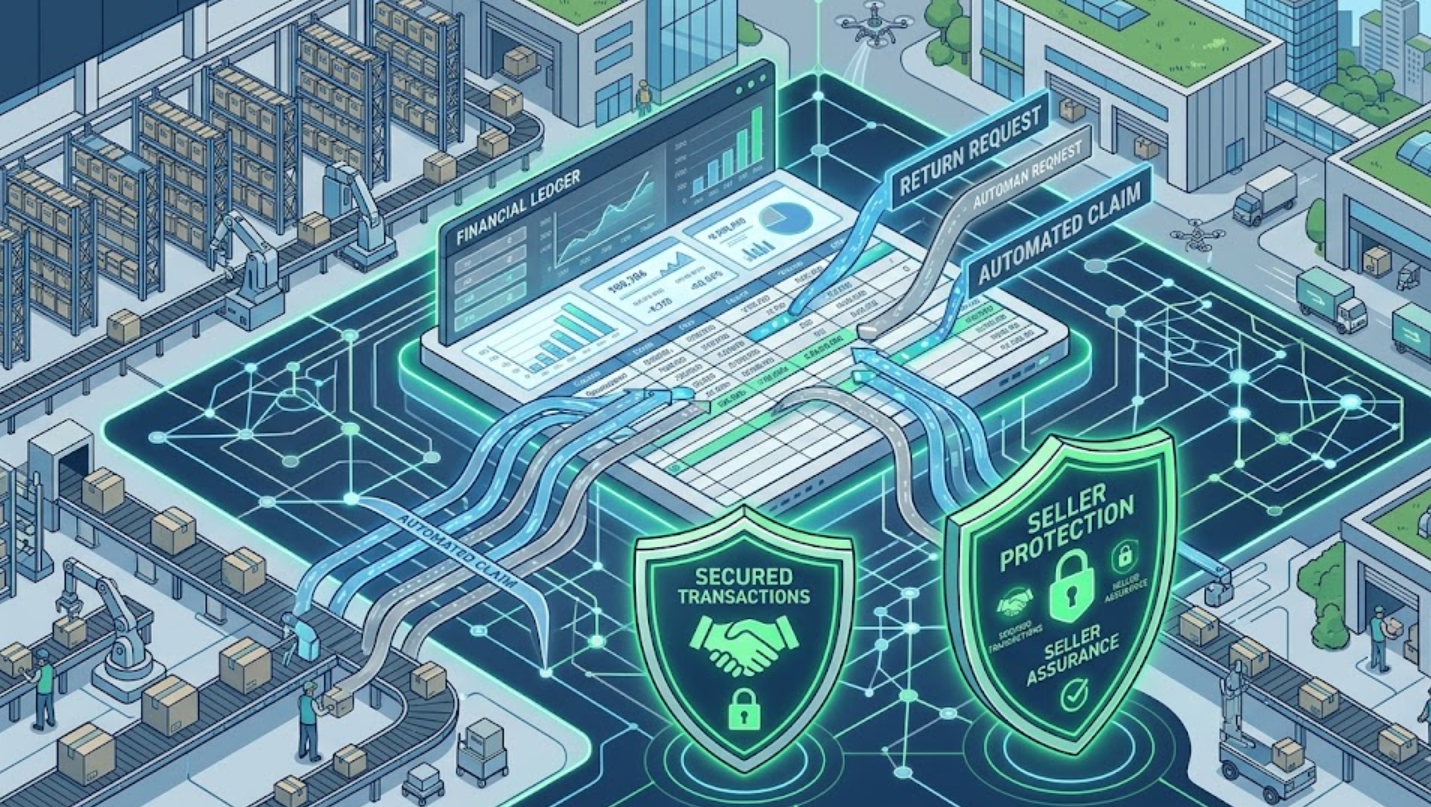
Navigating Amazon's A-to-Z Guarantee: Mitigating Seller-Funded Return Abuse
Amazon's automated A-to-Z Guarantee claims and escalating return abuse present a critical financial challenge for e-commerce sellers, often leading to uninvestigated, seller-funded losses. This trend, exacerbated by strict enforcement of doctrines like the First Sale Rule, necessitates proactive strategies to protect seller profitability. Understanding these dynamics and implementing robust mitigation tactics is essential for sustainable online business operations.
2026-04-29


