

The e-commerce landscape is constantly evolving, and Amazon's latest "Delivery Date + 7 days" (DD+7) payment settlement policy, fully implemented on March 12, 2026, marks a significant shift for many sellers. This policy mandates that funds are disbursed seven days after the delivery date, extending cash flow cycles that were once much shorter or even daily for established accounts. Understanding the implications and adopting strategic countermeasures is vital for sustained success.
Understanding the DD+7 Impact
The immediate aftermath of the DD+7 rollout saw numerous long-standing Amazon sellers grappling with an unexpected cash flow crunch. These are businesses that had optimized their operations around quicker access to funds, allowing them to reinvest rapidly into inventory, marketing, and expansion.
The timing of this policy change was particularly challenging, occurring just as many sellers were deep in preparations for Amazon's "Big Spring Sale" and concurrently managing significant advertising expenditures. The extended waiting period for payments has meant:
- Delayed Reinvestment: Slower access to capital to restock popular items or purchase new inventory.
- Marketing Budget Strain: Difficulty in covering upfront advertising costs without immediate sales proceeds.
- Operational Uncertainty: Frustration and confusion among sellers regarding their true disbursement schedules, complicating financial forecasting.
This scenario underscores the critical need for a resilient supply chain and robust financial strategy.
Strategies for Mitigating Cash Flow Strain
Navigating the DD+7 policy requires a multi-faceted approach, focusing on operational efficiency, financial agility, and strategic partnerships.
1. Optimize Inventory Management
Extended payment cycles necessitate tighter control over inventory. Excessive stock ties up capital, while insufficient stock leads to lost sales.
- Data-Driven Forecasting: Utilize sales data, seasonality, and promotional calendars to predict demand accurately and optimize order quantities.
- Lean Inventory Principles: Aim for efficient stock levels to minimize holding costs and free up working capital.
- Diversified Warehousing: Consider leveraging third-party logistics (3PL) providers for strategically located warehousing to reduce transit times and improve delivery speed, which in turn can shorten the DD+7 window.
2. Streamline Freight and Logistics
Faster transit times directly translate to earlier delivery dates, thereby shortening your DD+7 payment waiting period.
- Expedited Shipping Solutions: Explore options like air freight for high-value or fast-moving inventory, strategically balancing cost against the benefit of quicker payment.
- Reliable Freight Forwarding: Partner with a freight forwarder known for efficiency, transparency, and proactive communication to ensure smooth customs clearance and timely deliveries.
- Supply Chain Visibility: Implement tools or work with partners who offer real-time tracking and visibility, allowing you to anticipate delivery dates more accurately and manage expectations.
3. Explore Alternative Financing Solutions
For businesses accustomed to quicker cash turnover, bridging the gap created by DD+7 might require external financial support.
- Seller Financing: Investigate financing options specifically tailored for Amazon sellers, such as revenue-based financing or short-term loans.
- Trade Credit: Negotiate extended payment terms with your suppliers, if possible, to align their payment cycles more closely with Amazon's disbursement schedule.
- Factoring or Invoice Discounting: While less common for Amazon payouts, understanding these options can provide insights into managing accounts receivable.
4. Enhance Financial Planning & Forecasting
Accurate financial planning is paramount in an environment of extended payment terms.
- Revised Cash Flow Projections: Update your financial models to reflect the DD+7 policy, building in an accurate buffer for payment delays.
- Scenario Planning: Prepare for various outcomes, including unexpected delays, to ensure your business remains agile.
The Amazon DD+7 policy is a structural change, not a temporary hurdle. By proactively implementing these strategies, e-commerce sellers can not only mitigate the immediate cash flow crunch but also build a more resilient and agile supply chain capable of thriving in an evolving marketplace.
-

Navigating Amazon's Account Level Reserve (ALR) and Cash Flow Throttling: A Guide for Sellers
Amazon's Account Level Reserve (ALR) and "Delivery Date + 7 days" (DD+7) disbursement policies are severely impacting seller cash flow, making it challenging to pay suppliers and restock inventory. Understanding these mechanisms is crucial for maintaining financial stability and operational efficiency in e-commerce. Strategic logistics and proactive financial planning can help mitigate these significant funding delays.
2026-05-06
-
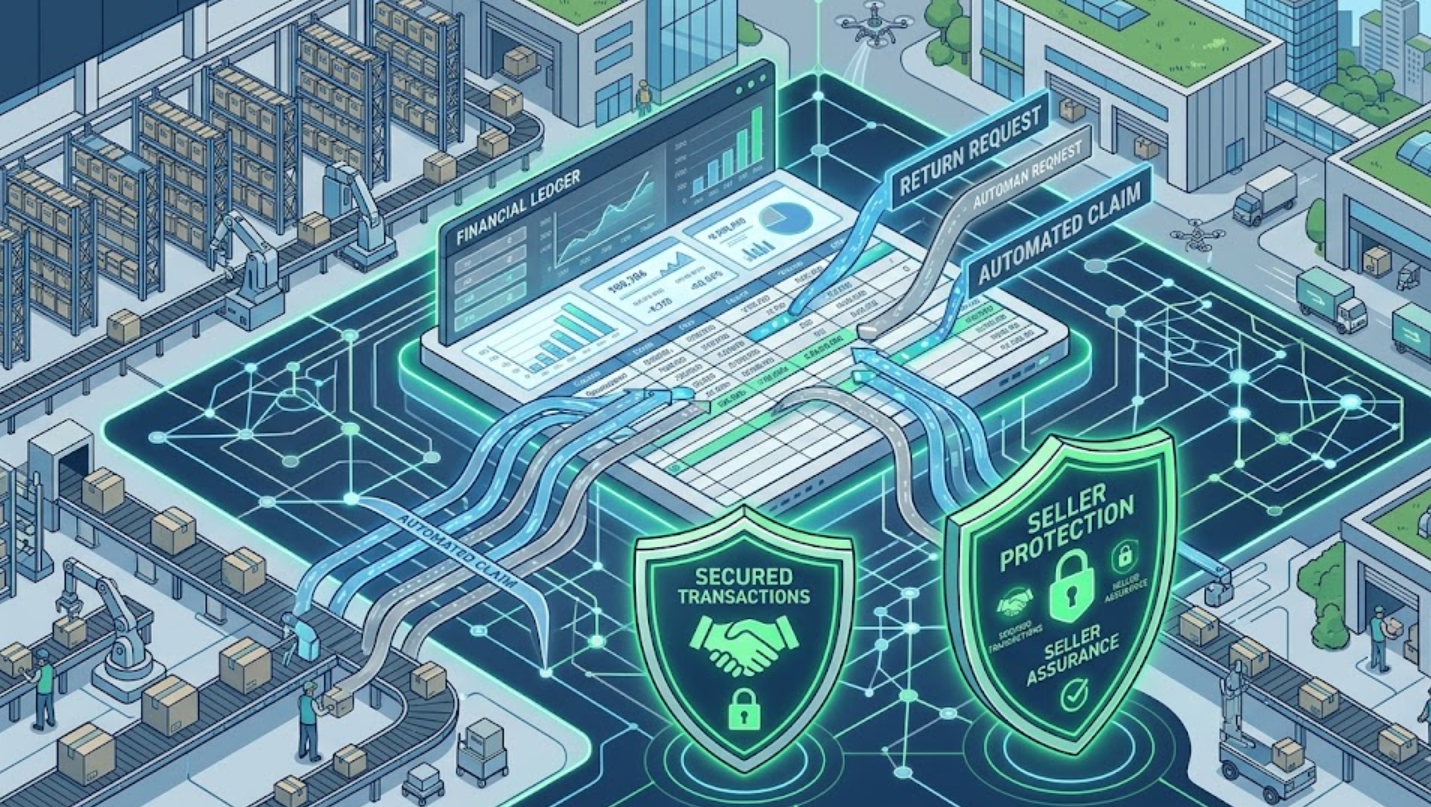
Navigating Amazon's A-to-Z Guarantee: Mitigating Seller-Funded Return Abuse
Amazon's automated A-to-Z Guarantee claims and escalating return abuse present a critical financial challenge for e-commerce sellers, often leading to uninvestigated, seller-funded losses. This trend, exacerbated by strict enforcement of doctrines like the First Sale Rule, necessitates proactive strategies to protect seller profitability. Understanding these dynamics and implementing robust mitigation tactics is essential for sustainable online business operations.
2026-04-29


