

Understanding the Upcoming Amazon European Digital Services Fee Increase
The landscape of e-commerce is constantly evolving, and staying ahead of changes is paramount for sustained success. A significant development on the horizon for Amazon sellers operating in major European markets is the impending increase in the Digital Services Fee. Set to take effect on March 20, 2026, this adjustment will see the fee rise from 2% to 3% in the UK, France, Italy, and Spain. This seemingly small 1% increase carries substantial implications for businesses, particularly those operating with thin profit margins.
What is the Digital Services Fee and Why is it Changing?
The Digital Services Fee (DSF) is an additional charge Amazon applies to third-party seller transactions in countries where governments have implemented specific digital services taxes. This fee is Amazon's mechanism for passing on the costs of these government levies to its sellers. The hike from 2% to 3% reflects ongoing governmental adjustments and Amazon's strategy to maintain its operational financial structure amidst these external tax burdens. It's crucial for sellers to understand that this fee is levied on top of existing referral and Fulfillment by Amazon (FBA) fees, making it an additional layer of cost.
The Impact on Seller Profitability and Operations
Shrinking Profit Margins
For many sellers, especially those dealing in high-volume, low-margin products, a 1% increase can translate into a significant erosion of profitability. In a highly competitive environment where every cent counts, this additional cost necessitates a re-evaluation of pricing strategies and operational efficiencies.
Pricing Adjustments and Market Competitiveness
Sellers face a dilemma: absorb the extra cost, further squeezing margins, or pass it on to consumers through higher prices. Raising prices risks making products less competitive against rivals who might find ways to absorb the fee or operate with different cost structures. This can lead to a decrease in sales volume and market share.
Strategic Planning for 2026
Although the effective date is in 2026, businesses must begin preparing now. This includes detailed financial forecasting, re-negotiating supplier terms, exploring alternative sales channels, and critically, optimizing their logistics and supply chain.
Mitigation Strategies: How to Prepare for the Fee Hike
1. Deep-Dive Cost Analysis
Conduct a thorough analysis of your current cost structure for products sold in the affected European markets. Identify which products will be most impacted by the 1% increase and by how much. This granular understanding is the first step towards informed decision-making.
2. Optimize Your Supply Chain
Efficient logistics can offset increased fees. Work with a trusted freight forwarding partner like Cathy Logistics to streamline your shipping, warehousing, and customs processes. * **Consolidation:** Can you consolidate shipments to reduce per-unit shipping costs? * **Route Optimization:** Are you using the most cost-effective and time-efficient routes? * **Customs Efficiency:** Are your customs processes optimized to avoid delays and unexpected charges?
3. Re-evaluate Product Pricing and Portfolio
Consider adjusting pricing for specific products, or bundling products to maintain perceived value. Evaluate your product portfolio: are there low-margin items that might become unprofitable? Can you focus more on higher-margin products?
4. Explore Alternative Fulfillment Options
While FBA offers convenience, its fees are subject to Amazon's changes. Investigate whether a hybrid model, or even a full shift to a third-party logistics (3PL) provider for certain products or markets, could offer better cost control.
5. Vendor Negotiations
Leverage your volume to negotiate better terms with suppliers. Even a small reduction in product cost can help absorb the upcoming DSF increase.
Partnering for Success in a Changing Landscape
The upcoming 3% Digital Services Fee is a clear signal that proactive, data-driven decision-making is essential for Amazon sellers. Engaging with experienced logistics partners like Cathy Logistics provides invaluable expertise in navigating these complex changes. From optimizing freight costs and managing customs to offering strategic advice on European distribution, a strong logistics partner can be your strongest ally in maintaining profitability and competitiveness in the face of evolving market conditions. Don't wait until 2026; start planning your mitigation strategy today.
-

Navigating Amazon's Account Level Reserve (ALR) and Cash Flow Throttling: A Guide for Sellers
Amazon's Account Level Reserve (ALR) and "Delivery Date + 7 days" (DD+7) disbursement policies are severely impacting seller cash flow, making it challenging to pay suppliers and restock inventory. Understanding these mechanisms is crucial for maintaining financial stability and operational efficiency in e-commerce. Strategic logistics and proactive financial planning can help mitigate these significant funding delays.
2026-05-06
-
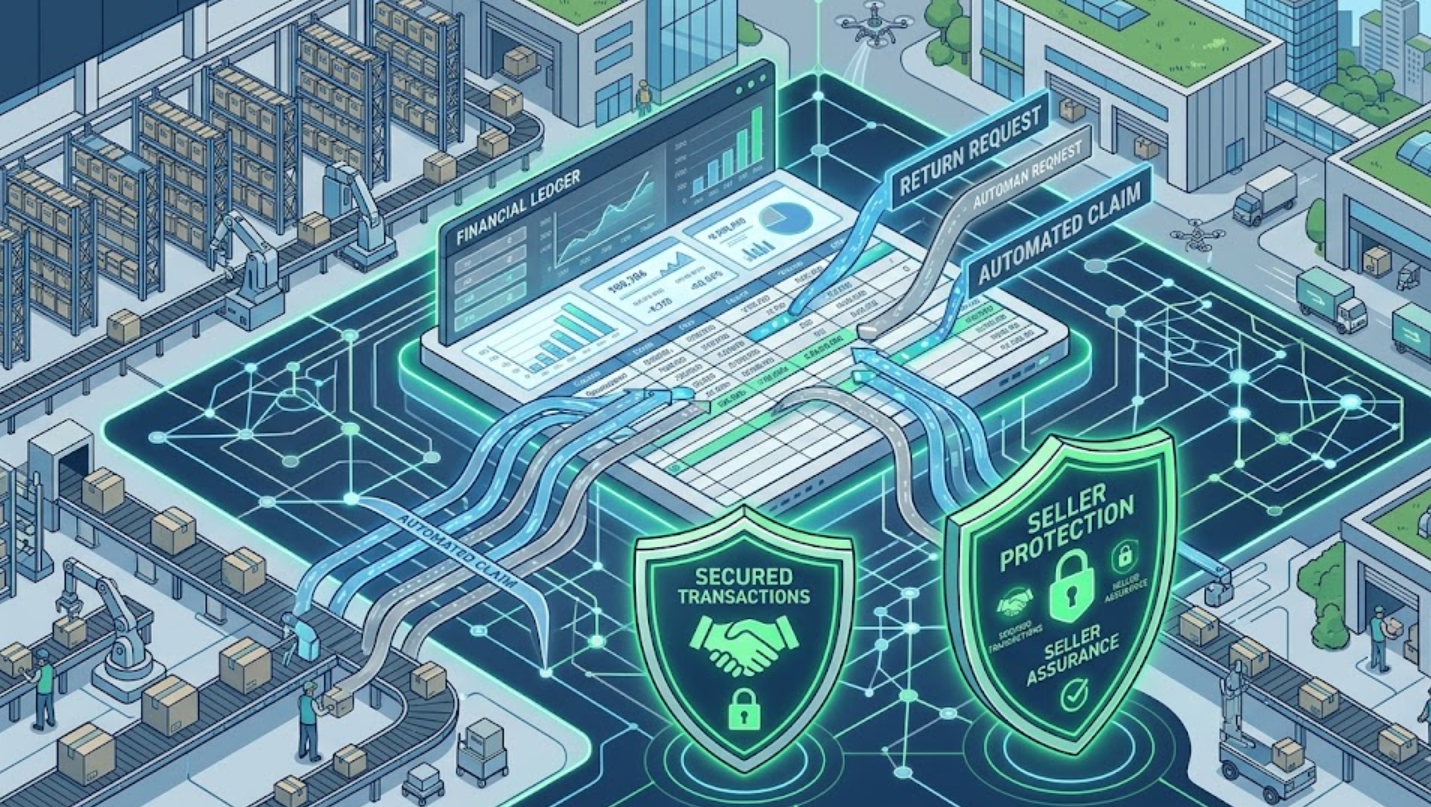
Navigating Amazon's A-to-Z Guarantee: Mitigating Seller-Funded Return Abuse
Amazon's automated A-to-Z Guarantee claims and escalating return abuse present a critical financial challenge for e-commerce sellers, often leading to uninvestigated, seller-funded losses. This trend, exacerbated by strict enforcement of doctrines like the First Sale Rule, necessitates proactive strategies to protect seller profitability. Understanding these dynamics and implementing robust mitigation tactics is essential for sustainable online business operations.
2026-04-29


