

Navigating Amazon's Enhanced Counterfeit Crackdown: Strategies for Robust Supply Chain Compliance
Amazon has significantly intensified its efforts to combat counterfeit products, a critical move aimed at safeguarding brand integrity and consumer trust across its vast marketplace. Recent reports indicate the removal of over 15 million infringing items, underscoring the platform's commitment to maintaining a trustworthy retail environment. While the intent is clear and largely beneficial, this aggressive crackdown introduces multifaceted challenges and increased compliance burdens for legitimate sellers operating within Amazon’s ecosystem.
The Dual Impact: Brand Protection vs. Seller Burden
The primary beneficiaries of Amazon's intensified anti-counterfeiting measures are brands, which gain enhanced protection against intellectual property infringement and dilution of their reputation. Consumers, in turn, benefit from increased assurance regarding the authenticity of their purchases. However, the rigor of these measures has led to an unintended consequence: legitimate sellers are increasingly caught in the crossfire. Instances of listing suspensions, account restrictions, and even permanent bans for seemingly authentic products are becoming more common, creating significant operational disruptions and financial losses.
Rising Compliance Costs and Operational Complexity
A key component of Amazon's strategy is the mandatory adoption of brand protection tools, such as Amazon Transparency. While designed to provide item-level tracking and verification, implementing and maintaining such systems incurs substantial costs. Sellers must invest in serialization, labeling, and integration processes, adding a new layer of financial outlay to their existing operational budgets. Beyond direct costs, sellers face the indirect expense of allocating significant internal resources to prove the authenticity of their products, often involving detailed documentation, supplier audits, and direct communication with Amazon's seller support.
This heightened scrutiny translates into increased operational complexity. Supply chain managers and e-commerce teams must now meticulously document every stage of a product's journey, from manufacturing to last-mile delivery. The risk of account penalties for perceived non-compliance, even if inadvertent, is a constant pressure point, compelling businesses to divert resources from growth initiatives towards defensive compliance strategies.
Strategic Solutions for Proactive Compliance
To navigate this evolving landscape, LMLC recommends a multi-pronged approach focused on proactive compliance and robust supply chain management:
1. Implement Comprehensive Supplier Vetting and Due Diligence
Establish rigorous protocols for vetting suppliers, including factory audits, background checks, and contractual agreements that explicitly address authenticity and intellectual property. Prioritize suppliers with demonstrable quality control processes and a clear chain of custody for materials and finished goods.
2. Enhance Product Authenticity Verification
Beyond Amazon's mandatory tools, explore additional layers of authentication. This can include blockchain-enabled tracking, secure QR codes, tamper-evident packaging, and unique serial numbers. The goal is to create an undeniable trail of authenticity for every product.
3. Maintain Meticulous Documentation
Develop an airtight documentation system for every product. This includes purchase orders, invoices, certificates of authenticity, intellectual property registrations, manufacturing agreements, and shipping records. Ensure these documents are readily accessible and compliant with Amazon's requirements, prepared for immediate submission in case of an inquiry.
4. Proactive Engagement with Amazon's Brand Protection Programs
Actively participate in programs like Amazon Brand Registry and Transparency, not merely as a requirement but as a strategic asset. Understand their full capabilities and leverage them to your advantage, providing Amazon with the data it needs to verify authenticity proactively.
5. Educate Internal Teams and Stakeholders
Ensure all relevant teams, from procurement to logistics and customer service, are fully aware of Amazon's anti-counterfeiting policies and the internal protocols for compliance. Regular training can prevent inadvertent errors that could lead to account issues.
Conclusion
Amazon's intensified counterfeit crackdown marks a significant shift in the e-commerce compliance landscape. While the benefits for brand protection are undeniable, the concurrent burden on legitimate sellers necessitates a strategic overhaul of supply chain and operational practices. By embracing proactive compliance, investing in robust authentication mechanisms, and maintaining meticulous documentation, businesses can not only safeguard their Amazon presence but also build a more resilient and trustworthy supply chain for the future. LMLC remains committed to providing the intelligence and solutions needed to navigate these complexities effectively.
-

Navigating Amazon's Account Level Reserve (ALR) and Cash Flow Throttling: A Guide for Sellers
Amazon's Account Level Reserve (ALR) and "Delivery Date + 7 days" (DD+7) disbursement policies are severely impacting seller cash flow, making it challenging to pay suppliers and restock inventory. Understanding these mechanisms is crucial for maintaining financial stability and operational efficiency in e-commerce. Strategic logistics and proactive financial planning can help mitigate these significant funding delays.
2026-05-06
-
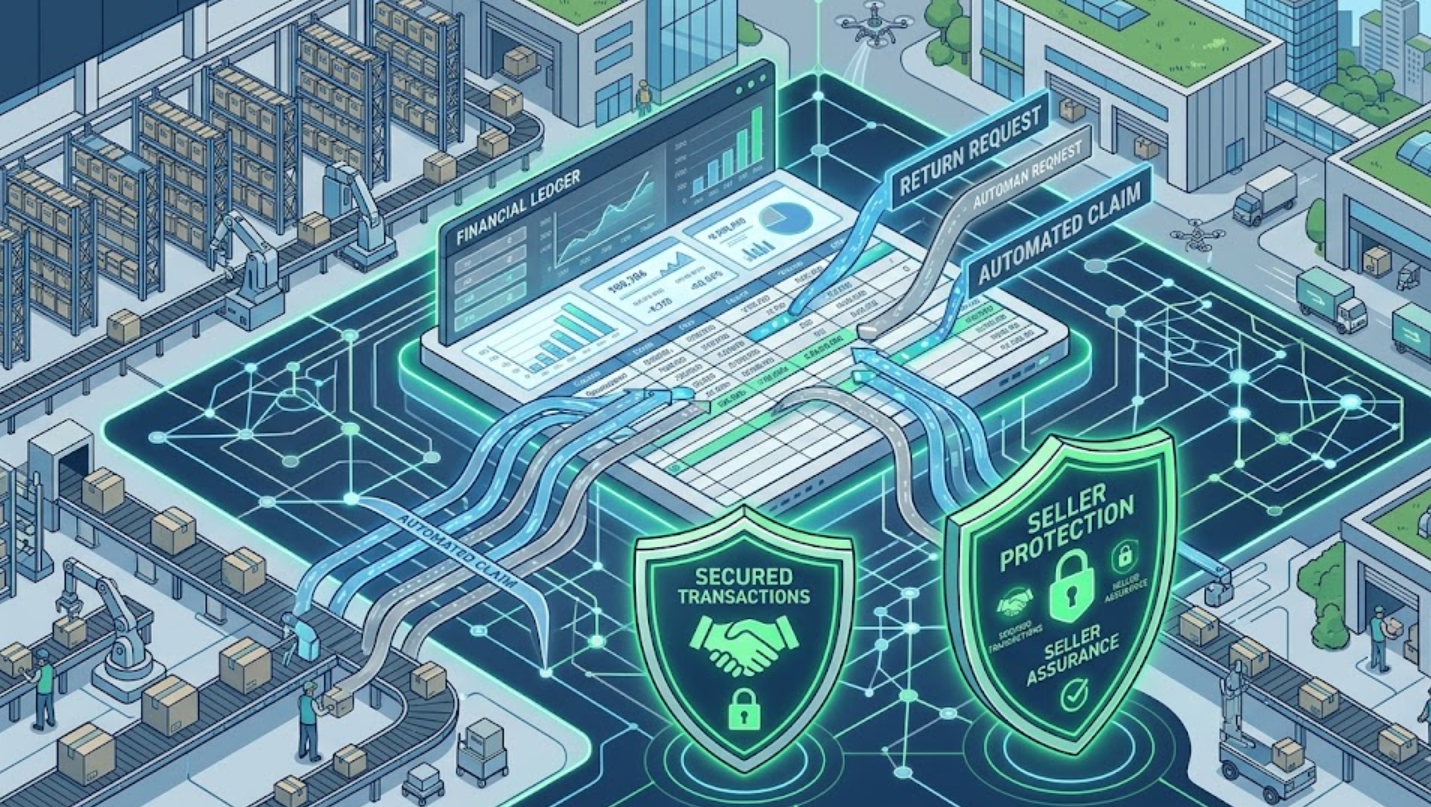
Navigating Amazon's A-to-Z Guarantee: Mitigating Seller-Funded Return Abuse
Amazon's automated A-to-Z Guarantee claims and escalating return abuse present a critical financial challenge for e-commerce sellers, often leading to uninvestigated, seller-funded losses. This trend, exacerbated by strict enforcement of doctrines like the First Sale Rule, necessitates proactive strategies to protect seller profitability. Understanding these dynamics and implementing robust mitigation tactics is essential for sustainable online business operations.
2026-04-29


