

The Evolving Landscape of European EPR Compliance
The European Union's commitment to a circular economy is increasingly evident through its robust Extended Producer Responsibility (EPR) schemes. By 2026, these regulations, especially for product categories such as packaging, electronics, and textiles, have seen a significant tightening across major markets including Germany, France, and the United Kingdom. This evolution is designed to shift the burden of waste management from public authorities to the producers themselves, fostering greater sustainability and material efficiency.
Key Changes and Their Implications for Sellers
The strengthened EPR framework introduces several critical challenges for entities operating within the European single market:
- Increased Cross-Border Complexity: Companies are now required to register and report their compliance data in each country where they place products on the market, often involving multiple national authorities and distinct reporting formats. This fragmentation creates a labyrinthine administrative burden for even well-established enterprises.
- Escalating Compliance Costs: The financial implications extend beyond initial registration fees. Ongoing operational costs include waste collection, recycling, and administrative management. The scope of materials covered and the stringency of recycling targets directly influence these costs, which are projected to continue their upward trajectory.
- Strict Enforcement by Marketplaces: Major e-commerce platforms, notably Amazon, have begun to act as critical gatekeepers. These platforms are now mandating proof of EPR compliance from sellers in specific regions. Failure to provide adequate documentation can result in immediate suspension of selling privileges, effectively banning a seller from significant portions of the European market.
Strategic Imperatives for Mitigating Risk
To navigate this complex regulatory environment effectively, LMLC recommends a multi-faceted strategic approach:
- Proactive Compliance Assessment: Conduct a thorough audit of current product portfolios and their applicable EPR categories across all relevant European markets. Identify gaps in existing compliance strategies.
- Centralized Registration and Management: Explore solutions for streamlining cross-border registration and reporting. While national variations persist, leveraging expert platforms or internal dedicated resources can centralize oversight and reduce administrative overhead.
- Material Optimization and Design for Circularity: Invest in product design strategies that reduce packaging, utilize recycled content, and enhance recyclability. This not only aligns with EPR objectives but can also lead to long-term cost savings and improved brand perception.
- Continuous Monitoring and Adaptation: EPR regulations are dynamic. Establish robust internal processes for monitoring legislative updates and adapting compliance strategies accordingly to avoid future penalties.
- Leveraging Expert Partnerships: Consider collaborating with specialized EPR compliance partners who possess in-depth knowledge of national requirements and can offer practical solutions for managing the entire compliance lifecycle.
The Cost of Non-Compliance
The risks associated with non-compliance in the 2026 EPR landscape are severe. Beyond financial penalties, which can be substantial, the ultimate threat is market exclusion. A ban from selling on a platform like Amazon across Europe represents a catastrophic loss of revenue and market access for many businesses. Ensuring full compliance is no longer merely a regulatory formality; it is a fundamental pillar of sustained commercial operation within the European Union. LMLC provides the data and insights necessary to navigate these evolving complexities.
-

Navigating Amazon's Account Level Reserve (ALR) and Cash Flow Throttling: A Guide for Sellers
Amazon's Account Level Reserve (ALR) and "Delivery Date + 7 days" (DD+7) disbursement policies are severely impacting seller cash flow, making it challenging to pay suppliers and restock inventory. Understanding these mechanisms is crucial for maintaining financial stability and operational efficiency in e-commerce. Strategic logistics and proactive financial planning can help mitigate these significant funding delays.
2026-05-06
-
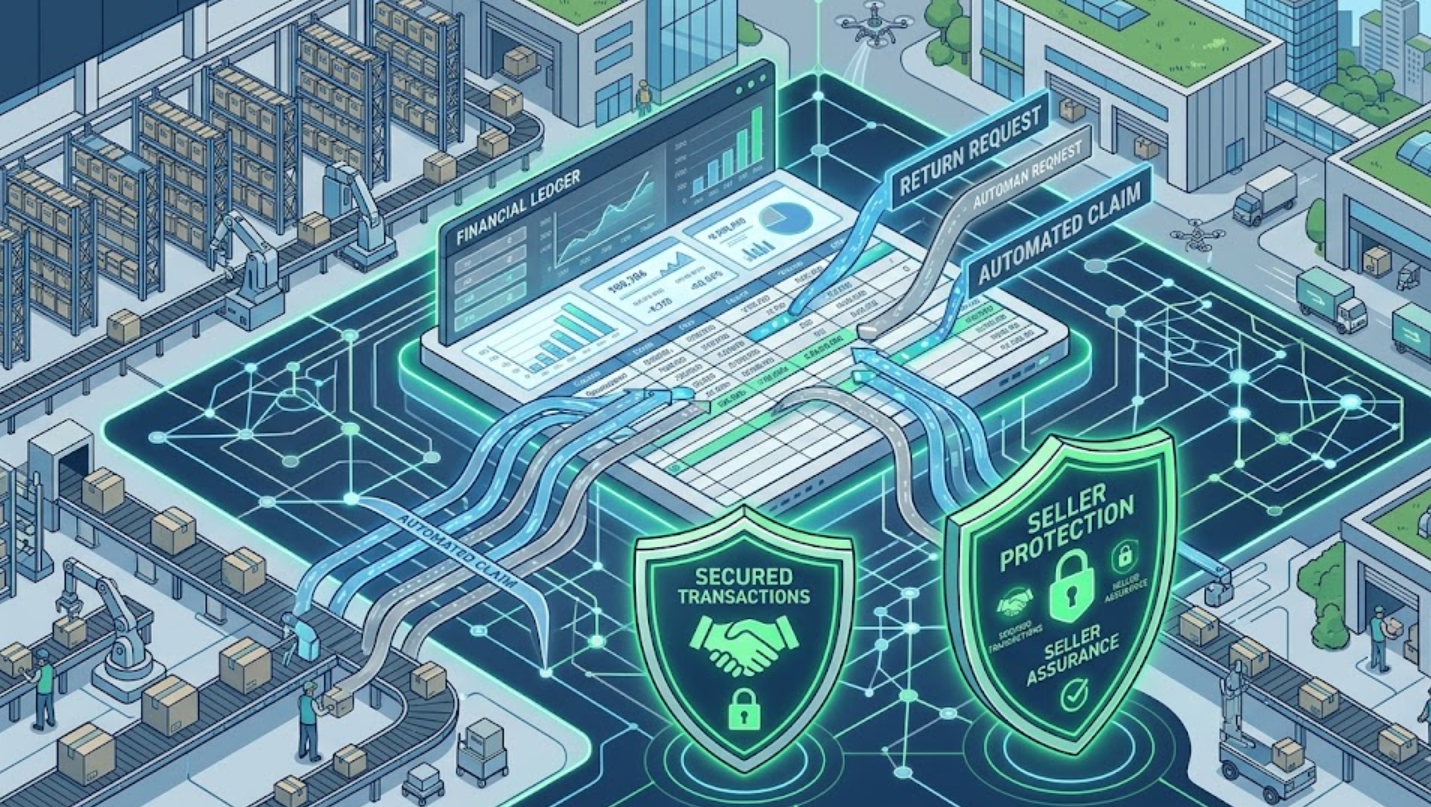
Navigating Amazon's A-to-Z Guarantee: Mitigating Seller-Funded Return Abuse
Amazon's automated A-to-Z Guarantee claims and escalating return abuse present a critical financial challenge for e-commerce sellers, often leading to uninvestigated, seller-funded losses. This trend, exacerbated by strict enforcement of doctrines like the First Sale Rule, necessitates proactive strategies to protect seller profitability. Understanding these dynamics and implementing robust mitigation tactics is essential for sustainable online business operations.
2026-04-29


