

The global logistics landscape is undergoing a significant transformation driven by what industry leaders are terming "tariff creep." This refers to the delayed but inevitable impact of new tariff policies translating into higher product costs and, subsequently, consumer prices, leading to substantial margin compression for businesses engaged in cross-border trade.
Understanding the Mechanism of Tariff Creep
Initially, many businesses leverage existing inventory purchased under previous tariff regimes to mitigate immediate price increases. However, as this pre-tariff stock depletes, the true cost of new tariffs begins to manifest. Amazon CEO Andy Jassy's recent confirmation highlights that these additional costs are now "creeping" into consumer prices, indicating a systemic shift rather than isolated incidents. This phased impact often creates a false sense of security before the full economic burden becomes apparent.
The Dual Challenge: Price Hikes vs. Sales Velocity
Sellers are caught in a precarious balancing act. On one hand, absorbing increased tariff costs directly erodes profit margins, a strategy unsustainable in the long term, especially for businesses with already thin margins. On the other hand, passing these costs onto consumers through price hikes risks alienating customers and reducing sales velocity in competitive markets. Many businesses, particularly SMEs, find they "don't have endless options" to absorb these rising expenses, making strategic pricing a critical, high-stakes decision.
Strategic Responses to Margin Compression
Navigating the tariff creep requires a multi-faceted approach:
- Supply Chain Diversification: Exploring alternative sourcing regions to reduce reliance on heavily tariffed countries. This requires significant lead time and investment but can offer long-term resilience.
- Optimized Inventory Management: Implementing just-in-time (JIT) or strategically lean inventory models to minimize holding costs, especially for tariff-affected goods.
- Cost-Benefit Analysis of Automation: Investing in automation within warehousing and logistics operations to offset rising labor and operational costs, thereby preserving some margin.
- Re-evaluation of Pricing Strategies: Dynamic pricing models, bundling, or premium positioning can help offset costs while maintaining perceived value. Transparent communication with customers about cost drivers can also build trust.
- Negotiation with Suppliers: Seeking to renegotiate terms with international suppliers to share the burden of increased tariffs, or exploring local alternatives where feasible.
LMLC's Outlook on Market Resilience
The current environment underscores the need for agile and data-driven supply chain management. LMLC believes that businesses capable of rapid analysis and adaptation will be best positioned to weather the sustained pressure of tariff creep. Proactive scenario planning and continuous monitoring of geopolitical and trade policy changes are paramount to identifying potential risks and opportunities before they fully materialize.
The Long-Term Horizon
While immediate concerns focus on margin preservation, the long-term implications of tariff creep extend to global trade patterns, investment decisions, and the re-shoring or near-shoring of manufacturing. LMLC will continue to provide intelligence to help businesses navigate these complex challenges and build more resilient supply chains for the future.
-

Navigating Amazon's Account Level Reserve (ALR) and Cash Flow Throttling: A Guide for Sellers
Amazon's Account Level Reserve (ALR) and "Delivery Date + 7 days" (DD+7) disbursement policies are severely impacting seller cash flow, making it challenging to pay suppliers and restock inventory. Understanding these mechanisms is crucial for maintaining financial stability and operational efficiency in e-commerce. Strategic logistics and proactive financial planning can help mitigate these significant funding delays.
2026-05-06
-
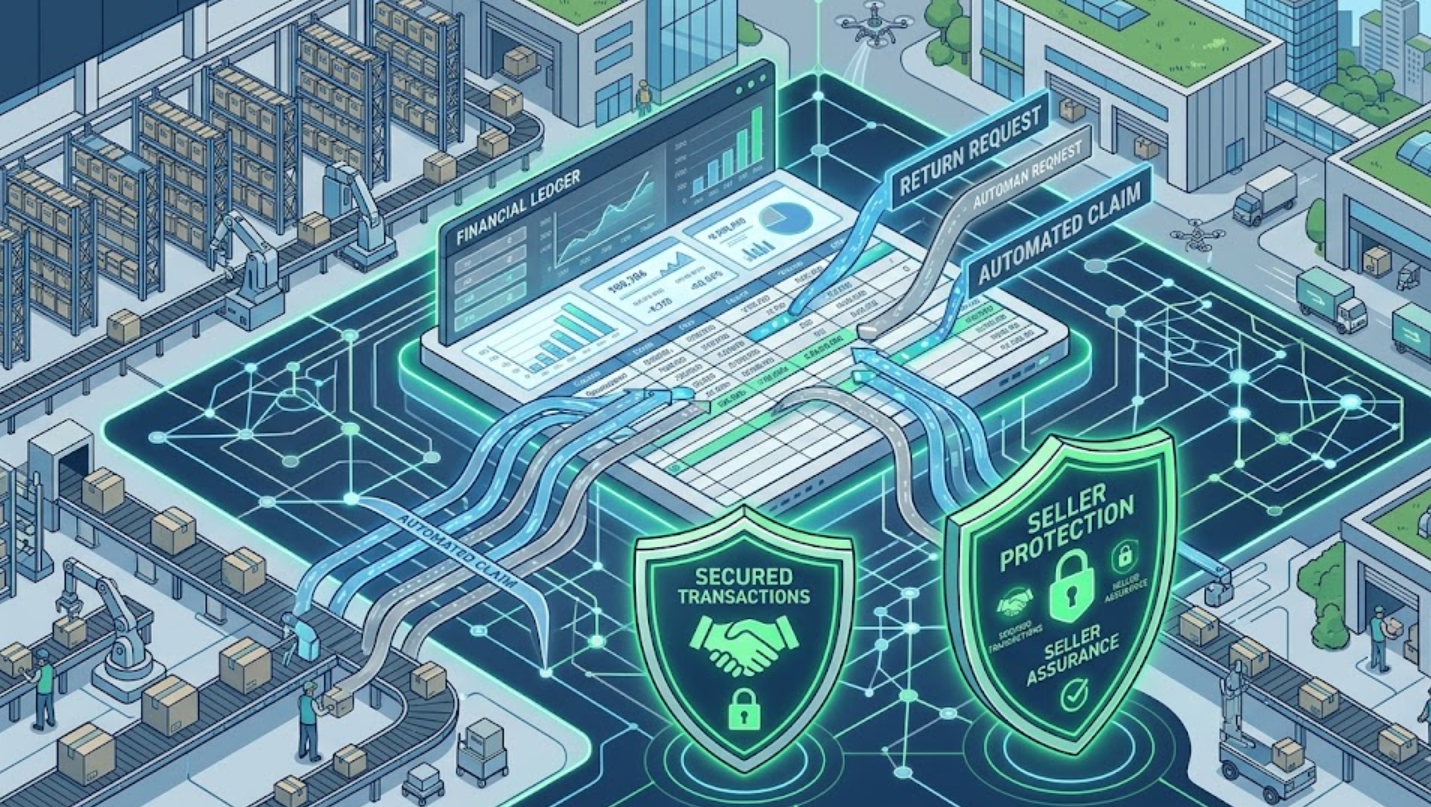
Navigating Amazon's A-to-Z Guarantee: Mitigating Seller-Funded Return Abuse
Amazon's automated A-to-Z Guarantee claims and escalating return abuse present a critical financial challenge for e-commerce sellers, often leading to uninvestigated, seller-funded losses. This trend, exacerbated by strict enforcement of doctrines like the First Sale Rule, necessitates proactive strategies to protect seller profitability. Understanding these dynamics and implementing robust mitigation tactics is essential for sustainable online business operations.
2026-04-29


