

The Tariff Refund Equation
Recent statements from US Treasury Secretary Yellen suggest a solvency of $740 billion to cover potential tariff refunds if current emergency policies are overturned by the Supreme Court. While the capital exists, the distribution logic is inefficient. Refunds would be staggered over weeks or even years.
For supply chain finance, this delay creates a "liquidity gap." We advise against factoring these potential inflows into immediate operational budgets. The complexity of the refund workflow suggests that administrative costs may erode the net value of the recovery for smaller entities.
Ocean Freight: The CNY Capacity Cut
Hybrid Retail Logistics
Conclusion
-

Navigating Amazon's Account Level Reserve (ALR) and Cash Flow Throttling: A Guide for Sellers
Amazon's Account Level Reserve (ALR) and "Delivery Date + 7 days" (DD+7) disbursement policies are severely impacting seller cash flow, making it challenging to pay suppliers and restock inventory. Understanding these mechanisms is crucial for maintaining financial stability and operational efficiency in e-commerce. Strategic logistics and proactive financial planning can help mitigate these significant funding delays.
2026-05-06
-
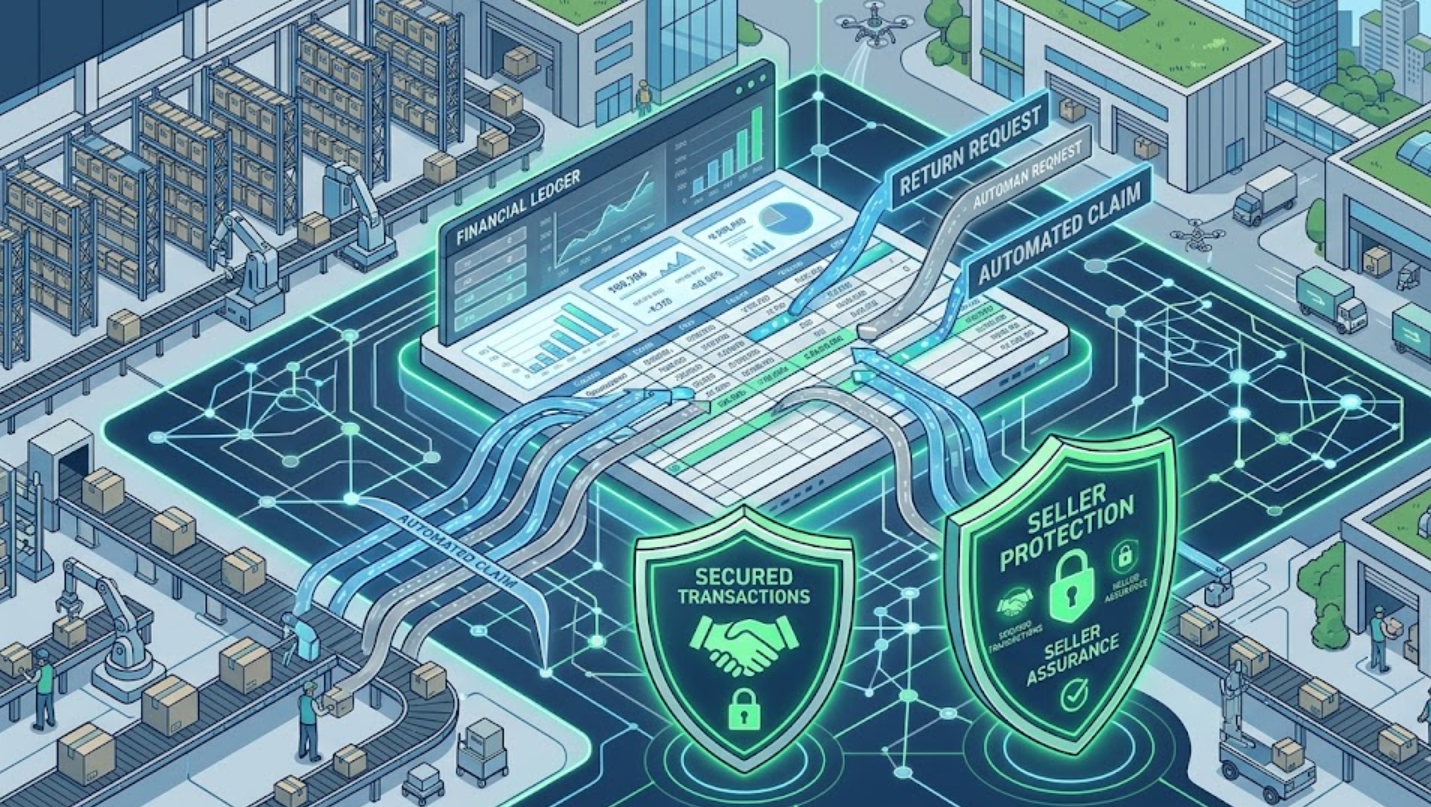
Navigating Amazon's A-to-Z Guarantee: Mitigating Seller-Funded Return Abuse
Amazon's automated A-to-Z Guarantee claims and escalating return abuse present a critical financial challenge for e-commerce sellers, often leading to uninvestigated, seller-funded losses. This trend, exacerbated by strict enforcement of doctrines like the First Sale Rule, necessitates proactive strategies to protect seller profitability. Understanding these dynamics and implementing robust mitigation tactics is essential for sustainable online business operations.
2026-04-29


