

The global supply chain is currently grappling with an acute evolution in criminal enterprise: the ascendance of strategic cargo theft, epitomized by the new and highly effective "Fake Carrier" scheme. These operations are not the smash-and-grab heists of the past, but sophisticated, digitally-enabled acts of fraud that exploit vulnerabilities in freight brokerage and carrier vetting processes. This new threat demands an immediate and comprehensive recalibration of security protocols across all modes of transport.
The Alarming Trajectory of Cargo Crime
Recent industry reports paint a clear picture of an escalating crisis. According to data from Verisk's CargoNet, the United States and Canada saw a 27% increase in cargo theft activity in 2024, with the estimated average value per theft rising to over $200,000. The financial toll is staggering, with estimates from the Homeland Security Investigations agency suggesting cargo theft and related fraud costs the American economy up to $35 billion annually.
The most critical change is the shift from "straight theft" (physical theft of a truck or container) to strategic theft—crime involving fraud and deception to gain possession of the load. This form of crime has seen exponential growth, with some estimates citing a 1,500% rise since 2021, now comprising a significant portion of all reported incidents.
Anatomy of a 'Fake Carrier' Scheme
The "Fake Carrier" phenomenon is a sophisticated form of fictitious pickup, leveraging digital deception and stolen credentials.
• Digital Impersonation: Criminals utilize stolen or digitally altered paperwork, and increasingly, leverage AI tools to generate highly convincing, fake logistics brand websites, falsified credentials, and bills of lading. This allows them to seamlessly pose as a legitimate third-party logistics (3PL) provider or motor carrier.
• Load Interception: The fraudster, appearing as a vetted carrier, successfully tenders an order from a broker or shipper via digital freight exchanges. They dispatch a truck to the pickup location—often with a driver using a false ID—and are handed the entire high-value load.
• The Vanishing Act: Once the freight is picked up, both the cargo and the "carrier" vanish, with typical anti-theft measures like GPS tracking often being disabled or jammed immediately post-pickup.
In the U.S., nearly 18% of all reported thefts in a recent quarter involved this type of deception, according to BSI and TT Club data. The complexity of these schemes is compounded by the involvement of insider threats, who may share internal knowledge to facilitate the crime.
Mitigation and the Path to Supply Chain Resilience
The traditional security model—focused primarily on securing physical assets—is insufficient against this new wave of strategic cybercrime. Mitigating the risks posed by fake carrier fraud requires a multi-layered, technologically-driven approach to carrier authentication.
Key Action Items for Logistics Stakeholders:
• Enhanced Carrier Vetting: Implement a rigorous, multi-factor verification process for all new and even existing carriers. Due diligence management controls are vital, and stakeholders must resist the urge to rush through vetting for urgent shipments.
• Technological Defense: Utilize advanced, AI-driven cybersecurity solutions to detect sophisticated phishing campaigns and fraudulent logistics brand websites. The rise of AI-generated fraud necessitates an AI-driven defense.
• Digital Authentication: Modernizing the Federal Motor Carrier Safety Administration (FMCSA) vetting process to include better, real-time authentication methods that control the transfer of carrier data has been advocated by industry leaders.
• Focus on Strategic Crime: Security models must evolve beyond simply physical protection to prioritize verification processes and carrier authentication, which are now as important as locking the trailer.
This shift in the threat landscape is a stark warning that the digitalization of the supply chain must be matched by a corresponding investment in digital security and fraud prevention. For LogicMile (LMLC) clients, this means integrating real-time visibility and advanced third-party verification to ensure that every partner in the transport chain is legitimate, securing assets before they ever leave the dock.
-

Navigating Amazon's Account Level Reserve (ALR) and Cash Flow Throttling: A Guide for Sellers
Amazon's Account Level Reserve (ALR) and "Delivery Date + 7 days" (DD+7) disbursement policies are severely impacting seller cash flow, making it challenging to pay suppliers and restock inventory. Understanding these mechanisms is crucial for maintaining financial stability and operational efficiency in e-commerce. Strategic logistics and proactive financial planning can help mitigate these significant funding delays.
2026-05-06
-
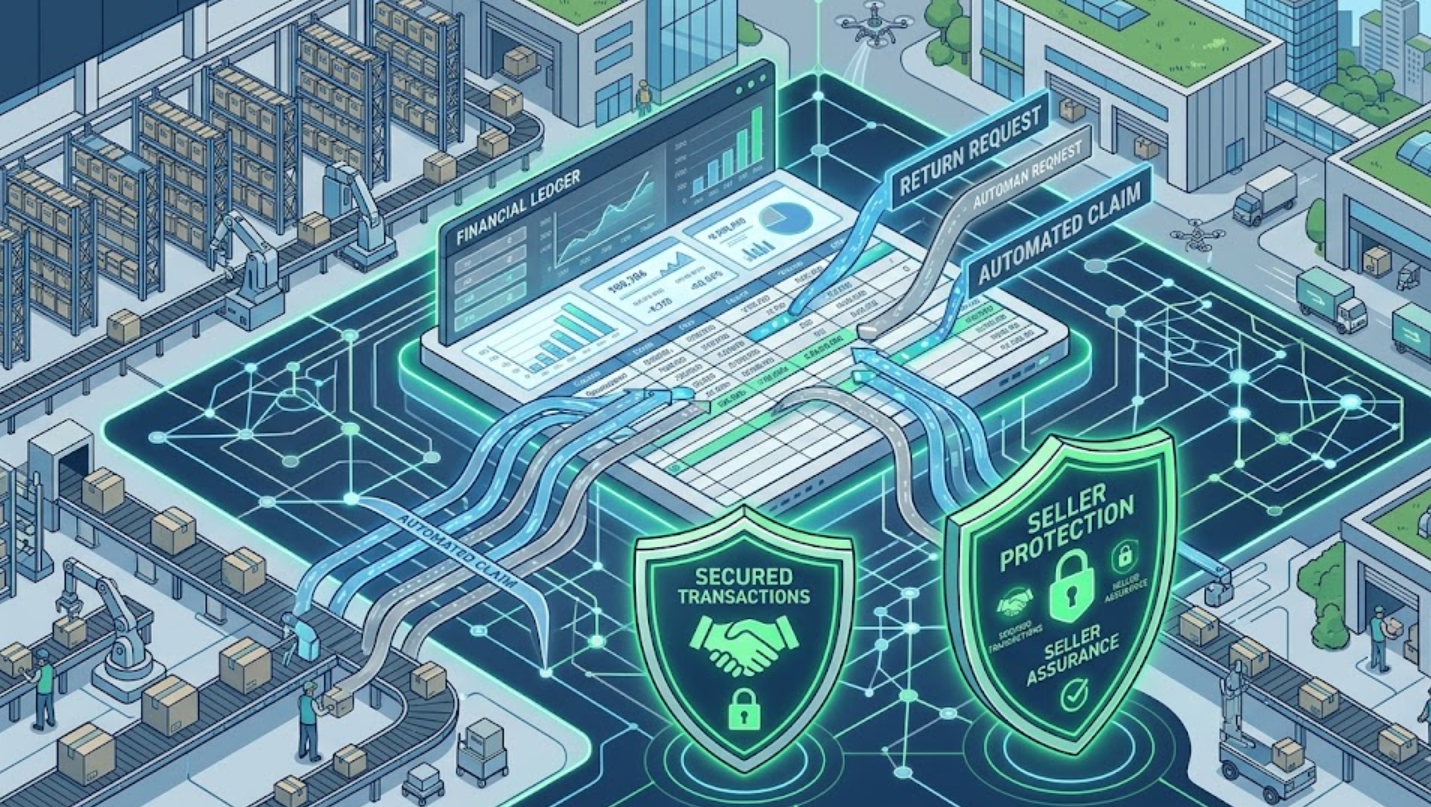
Navigating Amazon's A-to-Z Guarantee: Mitigating Seller-Funded Return Abuse
Amazon's automated A-to-Z Guarantee claims and escalating return abuse present a critical financial challenge for e-commerce sellers, often leading to uninvestigated, seller-funded losses. This trend, exacerbated by strict enforcement of doctrines like the First Sale Rule, necessitates proactive strategies to protect seller profitability. Understanding these dynamics and implementing robust mitigation tactics is essential for sustainable online business operations.
2026-04-29


