

A New Era of Trade Enforcement: CBP Recalibrates the $800 Threshold
The U.S. international trade landscape has undergone a seismic regulatory shift with the phaseout of the Section 321 De Minimis exemption, a rule that for years permitted goods valued at $800 or less to enter the country duty- and tax-free with minimal customs formalities. This policy, once a powerful catalyst for cross-border e-commerce and direct-to-consumer (DTC) models, officially began its rollback in May 2025, culminating in its global elimination on August 29, 2025.
Just months following the full phaseout, U.S. Customs and Border Protection (CBP) announced a staggering achievement: the collection of over $1 billion in duties on more than 246 million low-value shipments. This milestone underscores the massive scale of revenue previously waived and signals the definitive end of the de minimis "loophole" for major global shippers.
The removal of the exemption, enacted via executive orders, was driven by two core objectives: to protect domestic industries from competition with duty-free foreign goods, and to fortify national security by increasing scrutiny on the voluminous flow of low-value parcels.
The Dual Impact: Revenue Recovery and Supply Chain Integrity
The implications of this policy reversal extend far beyond fiscal recovery, touching critical aspects of trade compliance and supply chain security.
1. The Fiscal and Compliance Shockwave
The $1 billion collected demonstrates the immediate financial impact of treating all low-value shipments as formal or informal customs entries. This legislative action directly affects every player in the global logistics network, necessitating complex procedural changes.
• Recalculating Landed Cost: Importers must now account for applicable duties, taxes, and fees on every shipment, regardless of value, requiring robust, real-time landed cost calculators integrated into e-commerce platforms.
• Formal Entry Requirement: Shipments that previously cleared with minimal data are now subject to standard customs requirements, demanding full tariff classification (HTS codes) and accurate data submission in the Automated Commercial Environment (ACE).
• Operational Overhaul: Logistics providers and 3PLs must dramatically increase their data processing capabilities and compliance staffing to manage the volume of entry filings, which previously numbered in the millions per day.
2. Enhanced Enforcement and Security Gains
A key rationale for the phaseout was to combat the exploitation of the de minimis channel by illicit actors. The exemption's minimal data requirements allowed millions of packages, including those from high-risk sources, to bypass the detailed enforcement controls applied to formal imports.
According to CBP officials, the enhanced oversight has yielded immediate, tangible results:
• Since the exemption was ended for shipments from China and Hong Kong, seizures of unsafe and non-compliant low-value goods have surged by 82%.
• Seized items include a range of dangerous and illegal products, such as:
• Counterfeit merchandise
• Narcotics and fentanyl precursor chemicals
• Faulty or unsafe electronics
• Goods containing hazardous chemicals.
Acting Executive Assistant Commissioner for CBP's Office of Trade, Susan S. Thomas, affirmed that this "increased visibility into data for these low-value shipments" better equips the agency to "detect and disrupt criminal networks".
Strategic Imperatives for the Post-De Minimis Environment
For global merchants and logistics strategists, adapting to this new regime is not optional—it is essential for operational continuity and legal compliance. LogicMile advises clients to immediately implement the following strategies:
• Duty-Paid Delivery (DDP) Models: Transition from Delivered at Place (DAP/DDU) to Delivered Duty Paid (DDP) to collect and remit duties upfront, ensuring a predictable, friction-free customer experience and minimizing shipment delays at the border.
• Automated Compliance Technology: Invest in or partner with providers offering sophisticated customs brokerage and technology solutions that automate HTS classification, duty calculation, and ACE filing for high-volume, low-value parcels.
• Sourcing Diversification: Re-evaluate sourcing and fulfillment strategies that heavily relied on de minimis arbitrage. Consider near-shoring or holding inventory within the U.S. to mitigate the new landed cost increases and avoid cross-border friction.
• Supply Chain Vetting: Implement stringent supplier due diligence to proactively ensure goods comply with U.S. consumer safety and intellectual property regulations, directly addressing CBP's seizure enforcement priorities.
The $1 billion collected is not merely a revenue figure; it is a clear indicator that the old operating model for cross-border e-commerce is defunct. Success in this new environment hinges on a commitment to transparent, compliant, and duty-aware logistics execution.
-

Navigating Amazon's Account Level Reserve (ALR) and Cash Flow Throttling: A Guide for Sellers
Amazon's Account Level Reserve (ALR) and "Delivery Date + 7 days" (DD+7) disbursement policies are severely impacting seller cash flow, making it challenging to pay suppliers and restock inventory. Understanding these mechanisms is crucial for maintaining financial stability and operational efficiency in e-commerce. Strategic logistics and proactive financial planning can help mitigate these significant funding delays.
2026-05-06
-
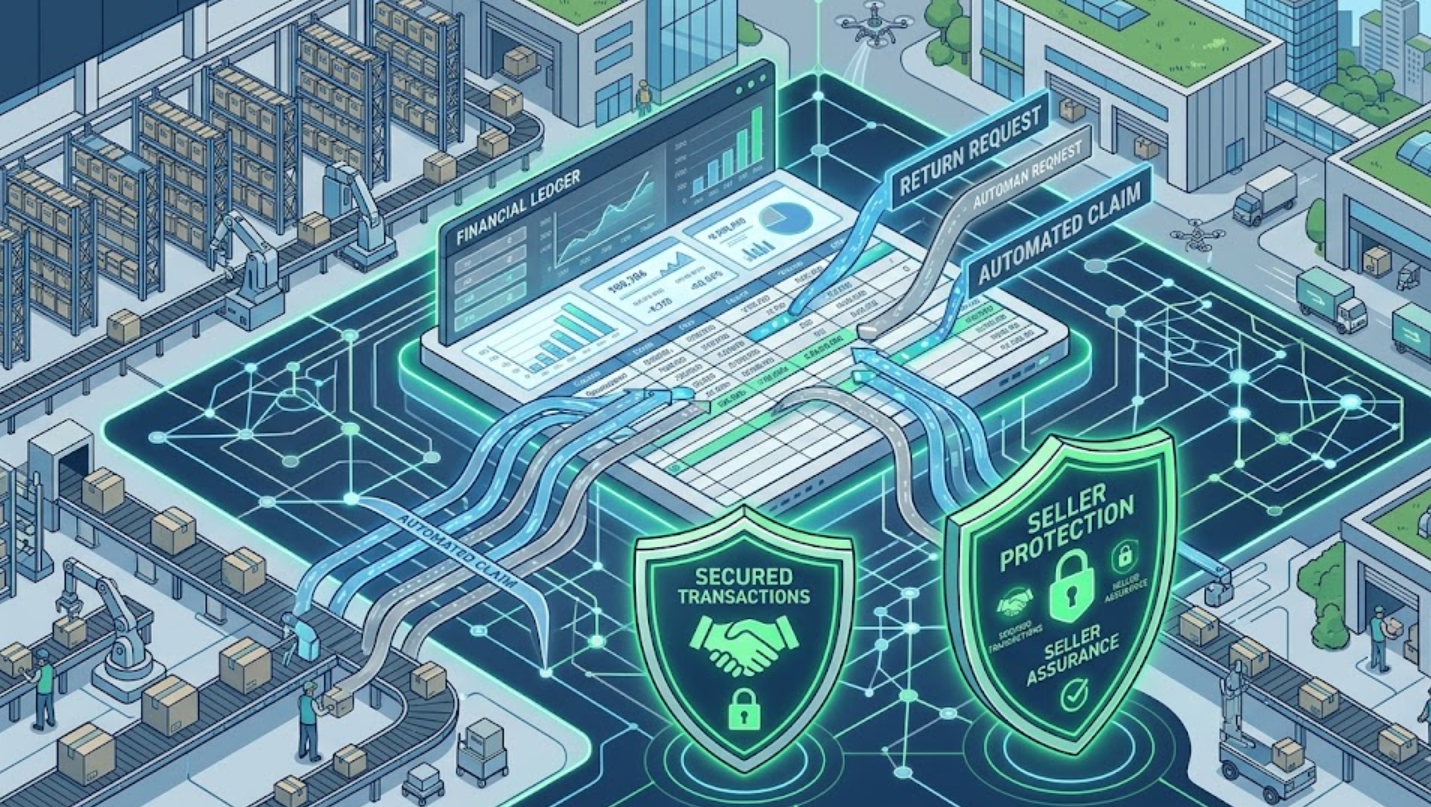
Navigating Amazon's A-to-Z Guarantee: Mitigating Seller-Funded Return Abuse
Amazon's automated A-to-Z Guarantee claims and escalating return abuse present a critical financial challenge for e-commerce sellers, often leading to uninvestigated, seller-funded losses. This trend, exacerbated by strict enforcement of doctrines like the First Sale Rule, necessitates proactive strategies to protect seller profitability. Understanding these dynamics and implementing robust mitigation tactics is essential for sustainable online business operations.
2026-04-29


