

The structural health of the U.S. manufacturing sector is facing an unprecedented headwind. Recent industry reports from the Institute for Supply Management (ISM) indicate that the Purchasing Managers’ Index (PMI) fell to 47.9% in December, marking the tenth consecutive month that the sector has remained firmly in contraction territory (a reading below 50%). This prolonged deceleration—a key barometer of economic activity—signals more than a cyclical downturn; it highlights deep-seated challenges that require a proactive, optimized logistics response.
Deciphering the Contraction: Key Sub-Index Deterioration
The comprehensive December ISM Report On Business reveals systemic weakness across several critical sub-indexes. According to Susan Spence, Chair of the ISM Manufacturing Business Survey Committee, the weakness is "broad-based," with 85% of the manufacturing sector reportedly in contraction.
• New Orders Index: A core indicator for future production, the New Orders Index contracted for the fourth straight month, registering 47.7%. This reflects subdued demand that directly impacts capacity planning and inventory management for the next fiscal quarter.
• Employment Index: The Employment Index continued its decline for the eleventh consecutive month, indicating that managing headcounts and implementing hiring freezes remains the prevailing norm across the industry.
• Prices Index Volatility: Despite the overall slowdown in activity, the Prices Index remained elevated at 58.5%, indicating raw material price increases for the 15th straight month. This inflationary pressure is a significant drag on manufacturer profitability, even amidst declining volume.
• Imports and Tariffs: The Imports Index contracted for the ninth straight month, falling to 44.6%. Expert commentary points to tariff-related pricing pressures and ongoing trade frictions as a key source of uncertainty and softer international orders.
The Logistics and Supply Chain Imperative
For Senior Content Strategists at LMLC, this enduring contraction presents a complex planning environment. Manufacturers and shippers are no longer operating in a 'just-in-time' environment but one that demands a resilient, 'just-in-case' strategy. The current manufacturing climate amplifies volatility, translating directly into tangible supply chain risks:
1. Inventory & Working Capital Dynamics
The Inventories Index registered 45.2%. While low inventories can signal efficient lean operations, prolonged contraction amidst high input costs forces logistics professionals to carefully navigate stock levels. Excess inventory can tie up capital, while insufficient stock risks production bottlenecks when demand eventually recovers. This demands precision demand forecasting and dynamic warehousing strategies.
2. Freight and Transportation Cost Pressure
The combination of subdued New Orders and elevated material prices creates a challenging freight market. While lower volumes can ease capacity constraints, the cost structure for transportation remains high due to fuel costs and labor shortages. Shippers must optimize mode selection and leverage LMLC's network to mitigate rising total landed costs.
3. Lead Time and Volatility Management
The persistent policy uncertainty and global trade frictions necessitate the exploration of supplier diversification and nearshoring/reshoring strategies. Manufacturers focused on achieving supply chain resilience are actively shifting away from singular-source, distant supply channels to regional ecosystems that promise shorter lead times and higher regulatory visibility.
LogicMile advises clients to prioritize digital supply chain visibility. By leveraging real-time tracking and predictive analytics, our partners can transform operational data into strategic intelligence, allowing for dynamic adjustments to production schedules and transportation planning, thereby minimizing the financial impact of this protracted manufacturing slump.
-

Navigating Amazon's Account Level Reserve (ALR) and Cash Flow Throttling: A Guide for Sellers
Amazon's Account Level Reserve (ALR) and "Delivery Date + 7 days" (DD+7) disbursement policies are severely impacting seller cash flow, making it challenging to pay suppliers and restock inventory. Understanding these mechanisms is crucial for maintaining financial stability and operational efficiency in e-commerce. Strategic logistics and proactive financial planning can help mitigate these significant funding delays.
2026-05-06
-
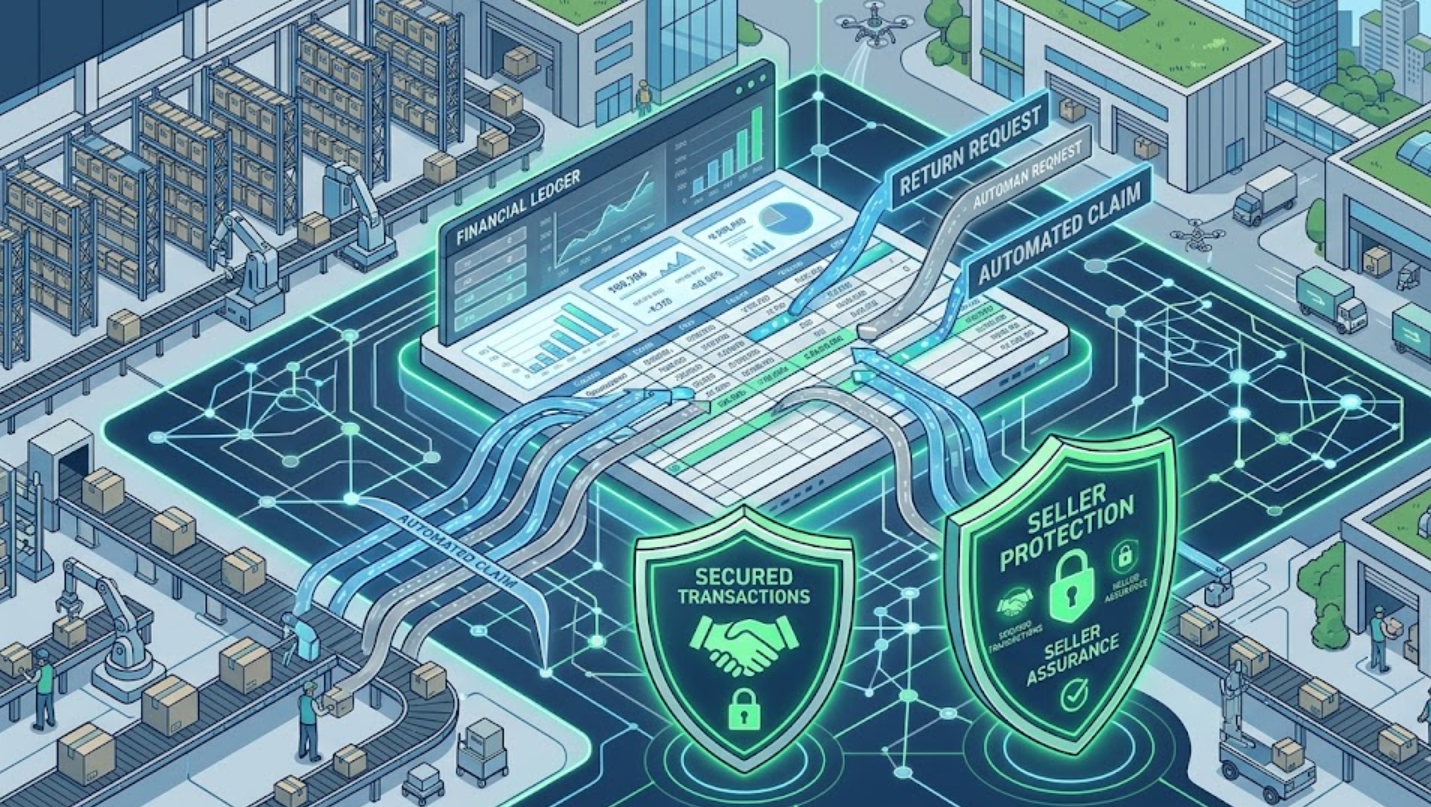
Navigating Amazon's A-to-Z Guarantee: Mitigating Seller-Funded Return Abuse
Amazon's automated A-to-Z Guarantee claims and escalating return abuse present a critical financial challenge for e-commerce sellers, often leading to uninvestigated, seller-funded losses. This trend, exacerbated by strict enforcement of doctrines like the First Sale Rule, necessitates proactive strategies to protect seller profitability. Understanding these dynamics and implementing robust mitigation tactics is essential for sustainable online business operations.
2026-04-29


