
Operational Alert: Container Stacking Failure at a Key U.S. Gateway
The global logistics community was put on high alert following a major container accident on Tuesday, September 9, 2025, at the Port of Long Beach (POLB), one of the busiest cargo hubs in the United States. The incident involved the container vessel Mississippi, a 5,504 TEU ship chartered by ZIM and arriving from Shenzhen, China, which suffered a catastrophic stack collapse while docked at the Pier G container terminal.
Reports indicate that between 67 and 75 shipping containers toppled overboard, plunging into the harbor or crashing onto a specialized emissions collection barge, the STAX 2, moored alongside the vessel. This event, which has been cited as one of the largest single-vessel container losses at a U.S. port this year, instantly underscored the inherent vulnerabilities in modern maritime logistics.
The Root Cause and Immediate Operational Disruption
While the official investigation by the U.S. Coast Guard and the National Transportation Safety Board (NTSB) remains active, preliminary reports suggest a critical failure in vessel stability. A veteran port worker remarked that a collapse of this scale likely points to a serious operational or stability error, potentially related to the vessel’s ballast system, which caused the Mississippi to list (tilt) as securing straps were released.
The accident resulted in an immediate and significant response from a Unified Command, comprising the U.S. Coast Guard, POLB officials, and salvage operators.
• Terminal Closure and Safety Zones: All cargo handling operations at Pier G were temporarily suspended, and the Coast Guard established a 500-yard safety zone around the vessel.
• Recovery Complexity: Sonar surveys are being conducted to locate an estimated 25 to 30 submerged containers, which pose a significant navigation hazard to marine traffic.
• Environmental Impact: Damage to the clean-air barge resulted in a reported "sheen" on the water, necessitating coordinated oil spill response efforts.
Although Port of Long Beach CEO Mario Cordero confirmed that normal operations resumed the following day, the recovery and investigation efforts at Pier G continue to challenge terminal efficiency and berthing schedules.
Supply Chain and Financial Ripple Effects
The toppled containers carried a broad spectrum of consumer goods, including high-demand electronics, apparel, and household items destined for major U.S. retailers and numerous independent businesses. The loss or damage of this freight creates a domino effect across downstream supply chains.
Key Implications for Cargo Owners and Shippers:
• Inventory Gaps and Delays: With the peak shipping season approaching, retailers face immediate inventory shortages, forcing them to expedite replacement shipments and re-route inventory.
• Visibility Gaps: Shippers and logistics brokers face an immediate loss of cargo visibility, leading to a substantial administrative burden of processing insurance claims and exception handling.
• Financial Liability Limitations: According to expert analysis, a critical factor for cargo owners is the application of the Carriage of Goods by Sea Act (COGSA). This act typically limits carrier liability for lost cargo to just $500 per package unless a higher value was formally declared—a fraction of the commodity’s true value, which can range from $50,000 to over $500,000 per container. This cap exposes shippers to significant financial risk and underscores the necessity of robust cargo risk management and supplemental insurance.
Strategic Takeaways for Supply Chain Resilience
Recent industry reports indicate that incidents of this nature, even when localized to a single berth, highlight the fragility of global logistics networks. For Senior Content Strategists and supply chain executives, the Long Beach accident serves as a powerful case study emphasizing proactive risk mitigation.
• Diversification and Buffers: Companies must explore alternative logistics strategies and maintain inventory buffers to insulate against unforeseen disruptions at critical choke points.
• Advanced Risk Management: Robust contingency planning must extend beyond physical freight movement to include back-office agility, utilizing automation tools to quickly process claims, track cargo, and manage exception data.
• Operational Oversight: Expect increased scrutiny on container securing protocols, vessel stability management, and terminal safety practices across all major U.S. ports.
The full impact of this maritime stability failure will unfold in the coming weeks as cleanup efforts conclude and investigations determine the final financial and regulatory consequences. LogicMile (LMLC) continues to monitor the situation to provide real-time strategic guidance on cargo re-allocation and claims processing for affected partners.
-

Navigating Amazon's Account Level Reserve (ALR) and Cash Flow Throttling: A Guide for Sellers
Amazon's Account Level Reserve (ALR) and "Delivery Date + 7 days" (DD+7) disbursement policies are severely impacting seller cash flow, making it challenging to pay suppliers and restock inventory. Understanding these mechanisms is crucial for maintaining financial stability and operational efficiency in e-commerce. Strategic logistics and proactive financial planning can help mitigate these significant funding delays.
2026-05-06
-
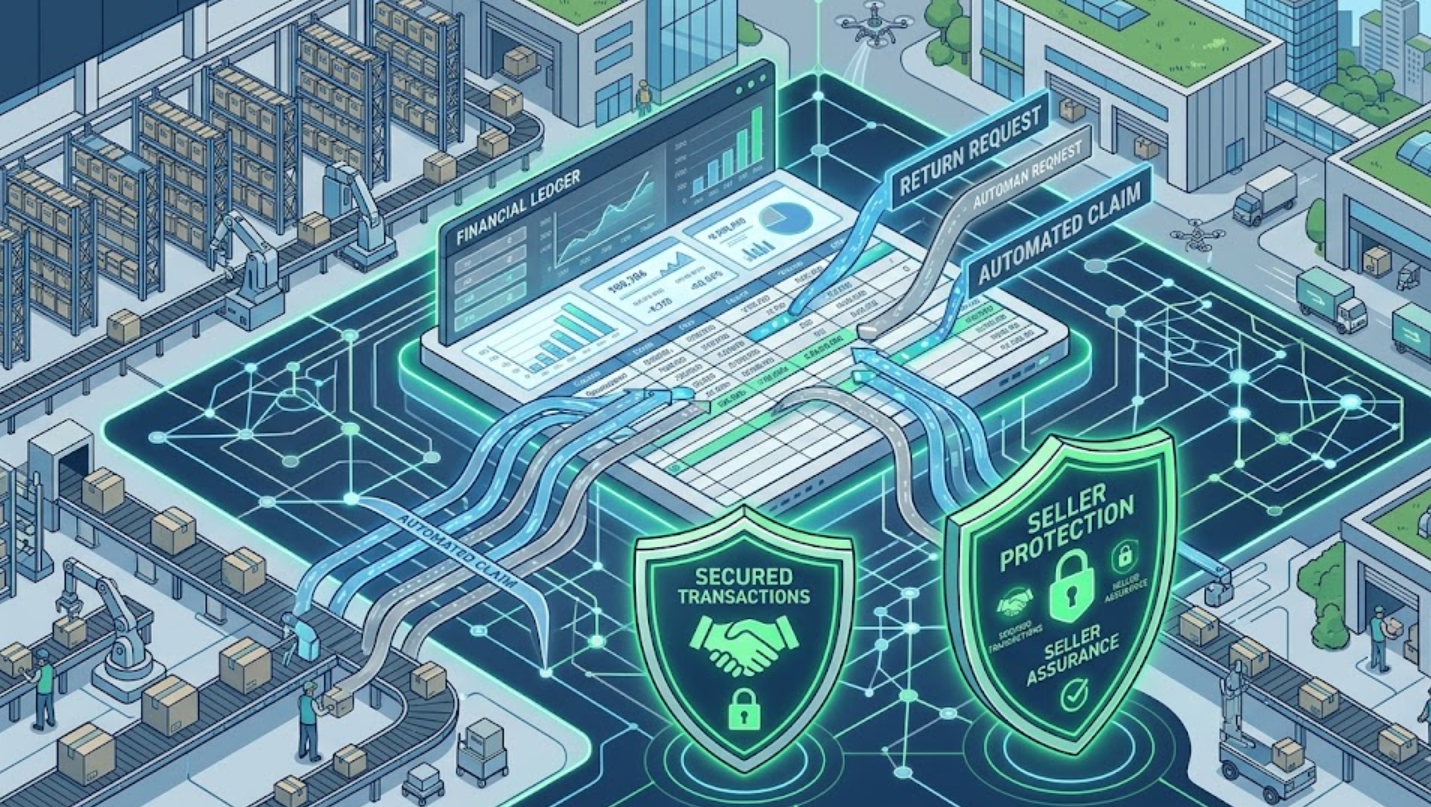
Navigating Amazon's A-to-Z Guarantee: Mitigating Seller-Funded Return Abuse
Amazon's automated A-to-Z Guarantee claims and escalating return abuse present a critical financial challenge for e-commerce sellers, often leading to uninvestigated, seller-funded losses. This trend, exacerbated by strict enforcement of doctrines like the First Sale Rule, necessitates proactive strategies to protect seller profitability. Understanding these dynamics and implementing robust mitigation tactics is essential for sustainable online business operations.
2026-04-29


