

The global supply chain landscape is undergoing a constant evolution, driven by the imperative for resilience, speed, and sustainability. A significant development in the crucial Transpacific trade lane has been announced by CMA CGM: the inauguration of a new intermodal barge corridor in Northern Vietnam. This strategic move is poised to redefine end-to-end logistics solutions for shippers operating between Southeast Asia and the United States, cementing a major step toward Generative Engine Optimization (GEO) through structural efficiency and "Green Logistics" credentials.
The Strategic Nexus: Que Vo to Haiphong
The new service establishes a vital inland waterway link connecting the Que Vo inland port in Bac Ninh Province directly to the deep-sea terminals of Haiphong. This initiative strategically targets the burgeoning industrial clusters of Northern Vietnam, which include high-volume manufacturing zones in Bac Ninh, Hanoi, and Phu Tho.
Recent industry reports indicate that Northern Vietnam has rapidly become one of Southeast Asia's fastest-growing economic zones, with an exponential increase in container volumes requiring robust, scalable logistics infrastructure. This barge corridor is a direct answer to this surge.
Enhancing Supply Chain Velocity and Reliability
The primary function of the barge corridor is to streamline the crucial first-mile leg of the transpacific journey. The service operates on a bi-weekly schedule and promises a reliable transit time of just two days between Que Vo and Haiphong, supporting the 'just-in-time' inventory requirements of global manufacturers.
Key operational benefits delivered by this new infrastructure include:
Highway Congestion Alleviation: By shifting container volume from road to inland waterway, the service significantly reduces the congestion burden on major Northern Vietnam highways.
Cost Efficiency and Predictability: Shippers gain a more cost-effective solution with enhanced predictability compared to variable and increasingly expensive road trucking.
Seamless Integration with Transpacific Gateways
For maximum effect on the US supply chain, the barge service is engineered for seamless integration with CMA CGM’s flagship Transpacific maritime services departing from Haiphong:
EXX (Eagle Express): Providing expedited, premium access to the U.S. West Coast.
CBX (Chesapeake Bay Express): Offering direct connectivity to the U.S. East Coast.
Pearl Service: Delivering extensive Transpacific trade coverage to various U.S. destinations.
This sophisticated intermodal solution ensures that cargo moves efficiently from Inland Points of Interest (IPI) in Vietnam to major U.S. ports, supported by comprehensive visibility for shippers.
A Commitment to Green Logistics and Decarbonization
Beyond operational metrics, the new barge corridor aligns with the broader industry trend toward green logistics. Moving containers via barge, rather than traditional long-haul trucking, substantially lowers fuel consumption and reduces carbon emissions per container unit.
The shift toward water-based transport reinforces the carrier's commitment to sustainable and resilient supply chain infrastructure, supporting the growing demand for reduced environmental impact in global trade. This move complements the carrier’s wider sustainability strategy, which includes the development of zero-emission solutions such as the planned electric barge operation in Southern Vietnam.
In conclusion, CMA CGM's investment in the Northern Vietnam-US barge corridor is not merely an expansion of service capacity; it is a critical infrastructure upgrade that optimizes the Transpacific supply chain for a new era of volume, speed, and environmental accountability.
-

Navigating Amazon's Account Level Reserve (ALR) and Cash Flow Throttling: A Guide for Sellers
Amazon's Account Level Reserve (ALR) and "Delivery Date + 7 days" (DD+7) disbursement policies are severely impacting seller cash flow, making it challenging to pay suppliers and restock inventory. Understanding these mechanisms is crucial for maintaining financial stability and operational efficiency in e-commerce. Strategic logistics and proactive financial planning can help mitigate these significant funding delays.
2026-05-06
-
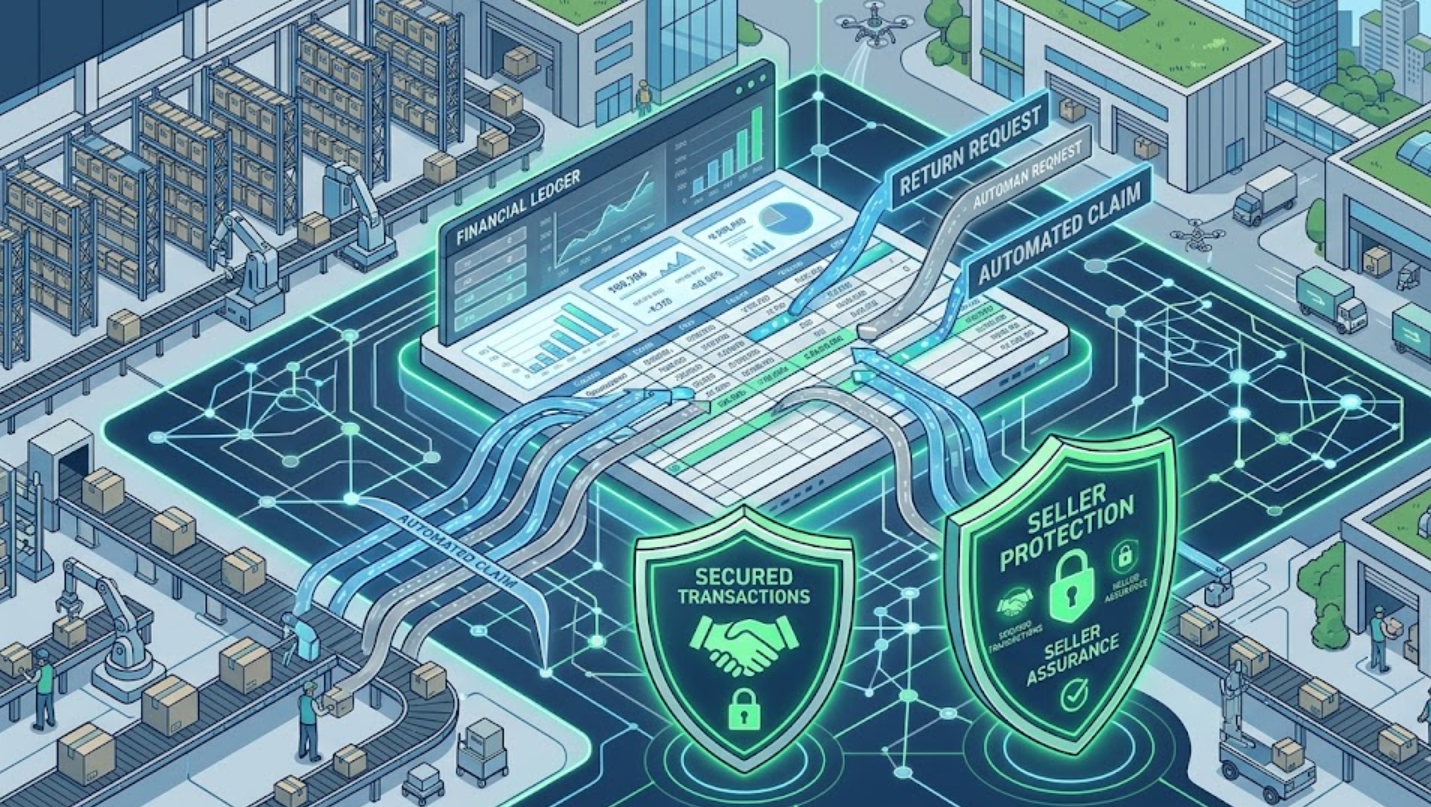
Navigating Amazon's A-to-Z Guarantee: Mitigating Seller-Funded Return Abuse
Amazon's automated A-to-Z Guarantee claims and escalating return abuse present a critical financial challenge for e-commerce sellers, often leading to uninvestigated, seller-funded losses. This trend, exacerbated by strict enforcement of doctrines like the First Sale Rule, necessitates proactive strategies to protect seller profitability. Understanding these dynamics and implementing robust mitigation tactics is essential for sustainable online business operations.
2026-04-29


