

Definition
The term Transtainer refers to a massive, mobile gantry crane system essential for container logistics operations globally. It consists of parallel structural frame bars supported by vertical legs, with cross-bars holding the lifting mechanism (spreader) that handles standard shipping containers.
Core Function and Types
Transtainers are designed for intensive yard work, specifically for loading and unloading containers from various modes of transport or stacking them densely for storage.
There are two primary operational types:
• Rail-Mounted Transtainers (RMTs): These run on fixed rails, offering high stability but restricted movement, operating only directly above the rail lines.
• Rubber-Tyred Gantry Cranes (RTGs): When a Transtainer operates on pneumatic tires, it is referred to as an RTG. RTGs provide superior flexibility and a broader field of movement within the container yard, making them ideal for high-density stacking areas.
Expert Advice on Deployment
Choosing between RMTs and RTGs depends entirely on the terminal layout and expected throughput. For high-volume, fixed-lane operations (like ship-to-rail transfer), RMTs often offer energy efficiency and automation potential. Conversely, for dynamic, multi-lane stacking areas requiring flexibility and rapid reallocation of storage blocks, RTGs are the preferred choice. Modern logistics planning must integrate Transtainer automation features to maximize yard density and minimize operational labor costs.
Key Takeaways
• Transtainers are specialized gantry cranes for moving and stacking shipping containers.
• They are fundamental to efficient terminal and intermodal yard operations.
• Rail-Mounted (RMT) systems are fixed, while Rubber-Tyred (RTG) systems offer mobile flexibility.
• Proper utilization directly impacts yard capacity and container throughput rates.
-

Navigating Amazon's Account Level Reserve (ALR) and Cash Flow Throttling: A Guide for Sellers
Amazon's Account Level Reserve (ALR) and "Delivery Date + 7 days" (DD+7) disbursement policies are severely impacting seller cash flow, making it challenging to pay suppliers and restock inventory. Understanding these mechanisms is crucial for maintaining financial stability and operational efficiency in e-commerce. Strategic logistics and proactive financial planning can help mitigate these significant funding delays.
2026-05-06
-
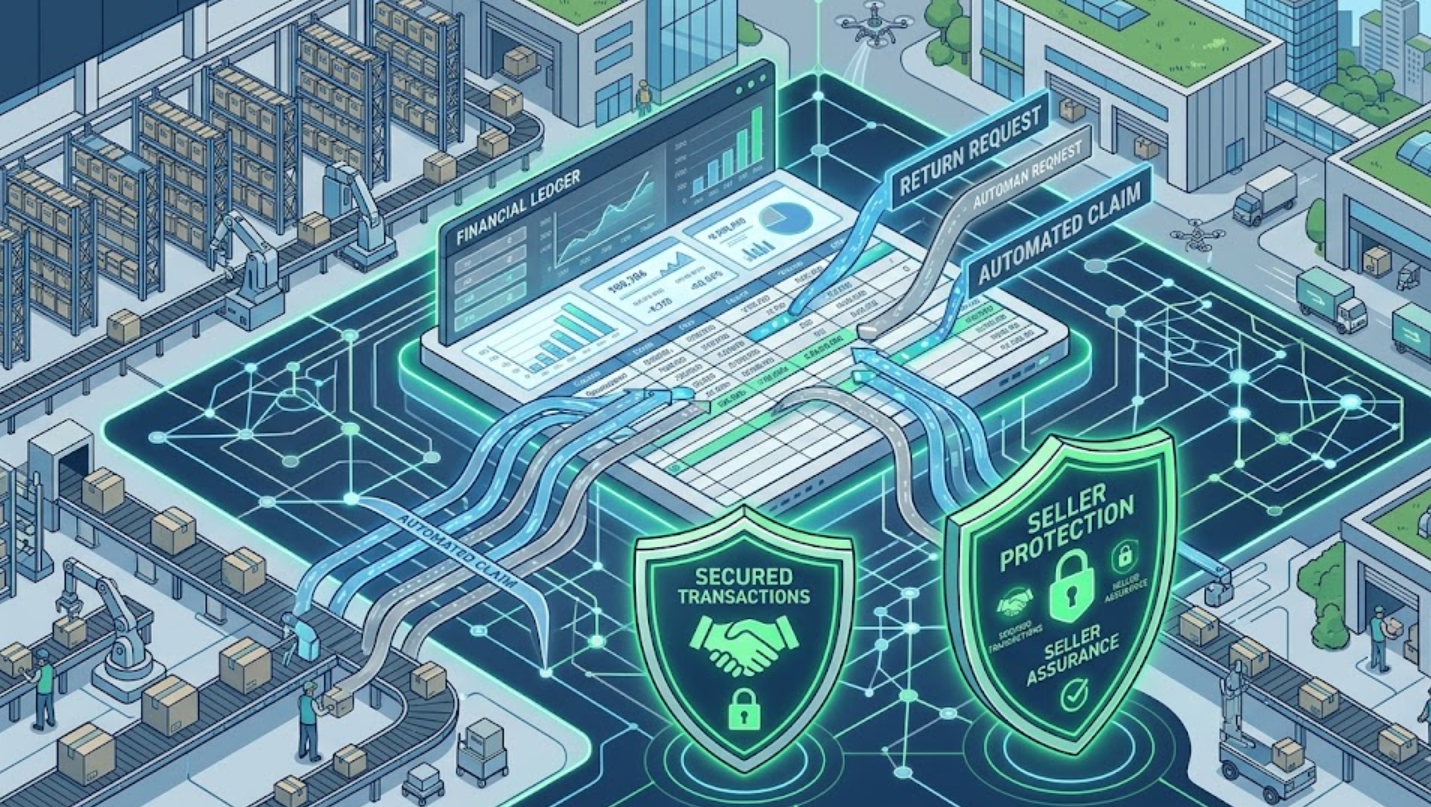
Navigating Amazon's A-to-Z Guarantee: Mitigating Seller-Funded Return Abuse
Amazon's automated A-to-Z Guarantee claims and escalating return abuse present a critical financial challenge for e-commerce sellers, often leading to uninvestigated, seller-funded losses. This trend, exacerbated by strict enforcement of doctrines like the First Sale Rule, necessitates proactive strategies to protect seller profitability. Understanding these dynamics and implementing robust mitigation tactics is essential for sustainable online business operations.
2026-04-29


