

Definition
Transloading is the logistical process of shifting a shipment from one mode of transport to another, most commonly moving goods from an ocean container (FCL) into a road transport vehicle (truck) for final delivery.
Core Process
Transloading involves taking the shipment from the port to a designated warehouse facility, unloading the cargo, and then reloading it onto a new delivery vehicle.
• Pickup of the loaded container from the port terminal.
• Transporting the container to a nearby warehouse facility or cross-dock.
• Unloading and deconsolidation of the cargo from the original container.
• Loading the processed cargo into standard trucking trailers for onward domestic delivery.
Strategic Applications and Benefits
Transloading is a common practice used to address several logistical challenges, often appearing under "Destination Charges" on your final invoice.
Cost Avoidance
If your final delivery destination is located a significant distance from the port, transloading quickly shifts the goods into a domestic trucking unit. This avoids the costly per diem charges associated with keeping the ocean carrier's container past the allowed free time.
Split Deliveries and Deconsolidation
Transloading is necessary when a single container shipment is destined for more than one final location. The process involves labor to deconsolidate the shipment, inspect it, palletize it properly, and load the separate portions into individual trucks for final delivery.
Meeting Specific Delivery Requirements
• Amazon FBA Shipments: Transloading is especially common for cargo heading to Amazon FBA warehouses, which have strict requirements regarding palletization, labeling, and delivery appointments.
• Residential FCL Delivery: If you are shipping a Full Container Load (FCL) to a residential or non-commercial address that cannot handle the container chassis, transloading the goods into a standard box truck is required.
Expert Advice
Always evaluate the distance from the port to the final destination versus the transload fee. For long-haul trucking, transloading often provides significant savings by mitigating the risk of high detention and demurrage charges.
-

Navigating Amazon's Account Level Reserve (ALR) and Cash Flow Throttling: A Guide for Sellers
Amazon's Account Level Reserve (ALR) and "Delivery Date + 7 days" (DD+7) disbursement policies are severely impacting seller cash flow, making it challenging to pay suppliers and restock inventory. Understanding these mechanisms is crucial for maintaining financial stability and operational efficiency in e-commerce. Strategic logistics and proactive financial planning can help mitigate these significant funding delays.
2026-05-06
-
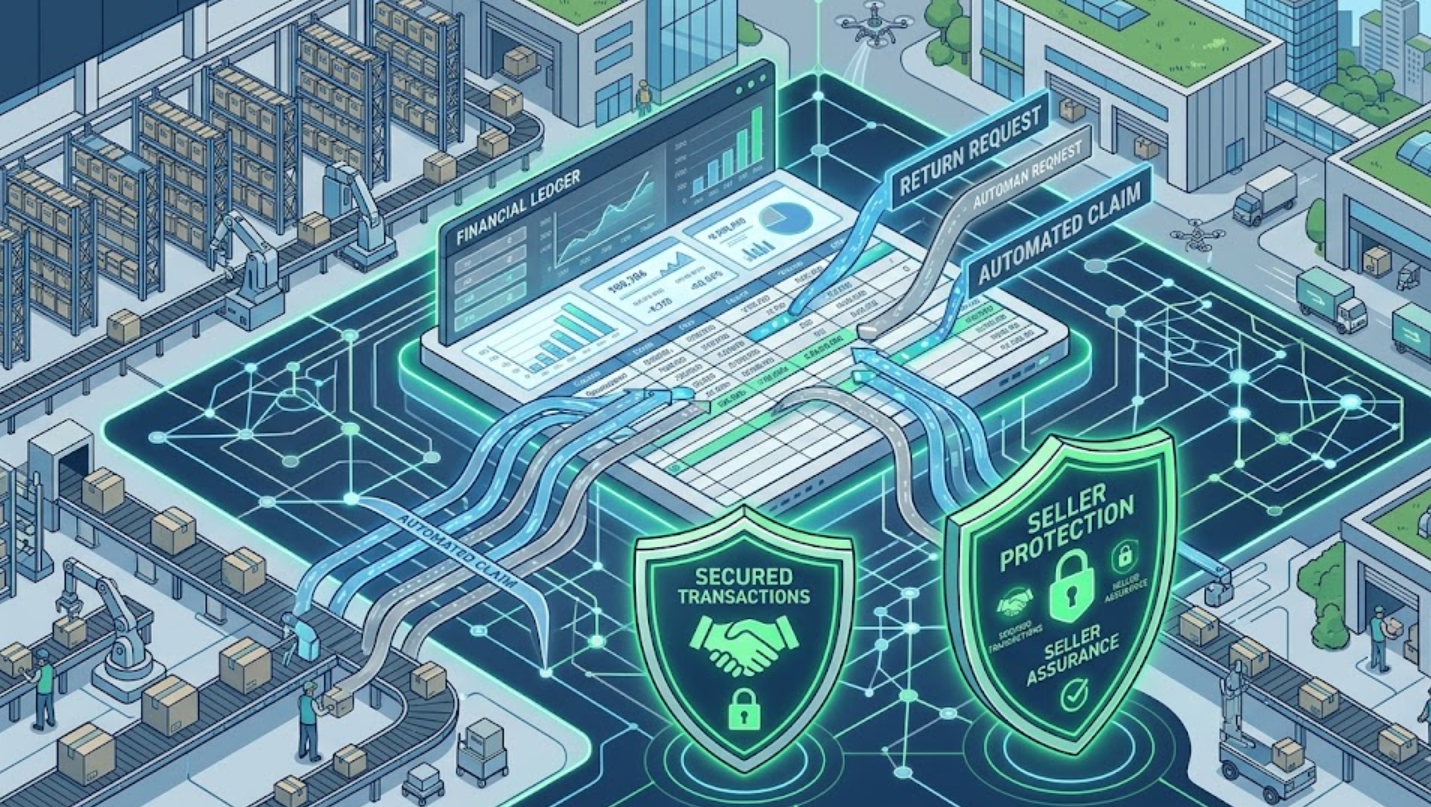
Navigating Amazon's A-to-Z Guarantee: Mitigating Seller-Funded Return Abuse
Amazon's automated A-to-Z Guarantee claims and escalating return abuse present a critical financial challenge for e-commerce sellers, often leading to uninvestigated, seller-funded losses. This trend, exacerbated by strict enforcement of doctrines like the First Sale Rule, necessitates proactive strategies to protect seller profitability. Understanding these dynamics and implementing robust mitigation tactics is essential for sustainable online business operations.
2026-04-29


