

Definition
Tariff Engineering is the legal practice of intentionally altering the form, function, or composition of imported goods to qualify them under an Harmonized System (HS) code that carries a lower duty rate. This is not about misclassification or fraud; it is about legitimate, pre-emptive product alteration prior to import based on established customs regulations. It serves as a vital, high-impact cost-reduction strategy in international trade.
Core Process
The process demands deep expertise in both product design and customs regulations. Effective tariff engineering is always proactive and integrated into the product development lifecycle.
• Product Analysis: Reviewing the existing design specifications, materials used, and identified accessories that trigger high tariff rates based on the current HS classification.
• HS Code Optimization: Determining alternative, lower-duty classifications the product could qualify for if slightly modified, using detailed analysis of Chapter Notes and General Rules of Interpretation (GRIs).
• Modification Execution: Implementing real changes—such as using a different material blend, changing the degree of assembly, altering packaging volume, or removing a non-essential accessory—to shift the product's principal identity under customs law.
• Documentation and Compliance: Ensuring all modifications are fully documented and supported by test results, engineering drawings, and legal interpretation to withstand potential customs scrutiny and audits.
Expert Advice
Compliance is paramount. While cost reduction is the goal, modifications must be substantial and real, not merely cosmetic or transactional illusions designed solely to circumvent duties. Customs authorities are trained to look for artificial alterations. Consulting with experienced customs brokers or trade attorneys is non-negotiable before implementing changes, especially for high-volume goods. Companies should focus on verifiable changes in material composition, essential character, or functional capability to ensure the revised classification is defensible.
Key Takeaways
• Tariff Engineering must be proactive—implemented before manufacturing or shipping commences.
• It yields sustainable, recurring duty savings.
• Requires thorough knowledge of international trade law and product technical specifications.
• Always maintain robust internal records detailing the justification for product modifications and corresponding classification shifts.
-

Navigating Amazon's Account Level Reserve (ALR) and Cash Flow Throttling: A Guide for Sellers
Amazon's Account Level Reserve (ALR) and "Delivery Date + 7 days" (DD+7) disbursement policies are severely impacting seller cash flow, making it challenging to pay suppliers and restock inventory. Understanding these mechanisms is crucial for maintaining financial stability and operational efficiency in e-commerce. Strategic logistics and proactive financial planning can help mitigate these significant funding delays.
2026-05-06
-
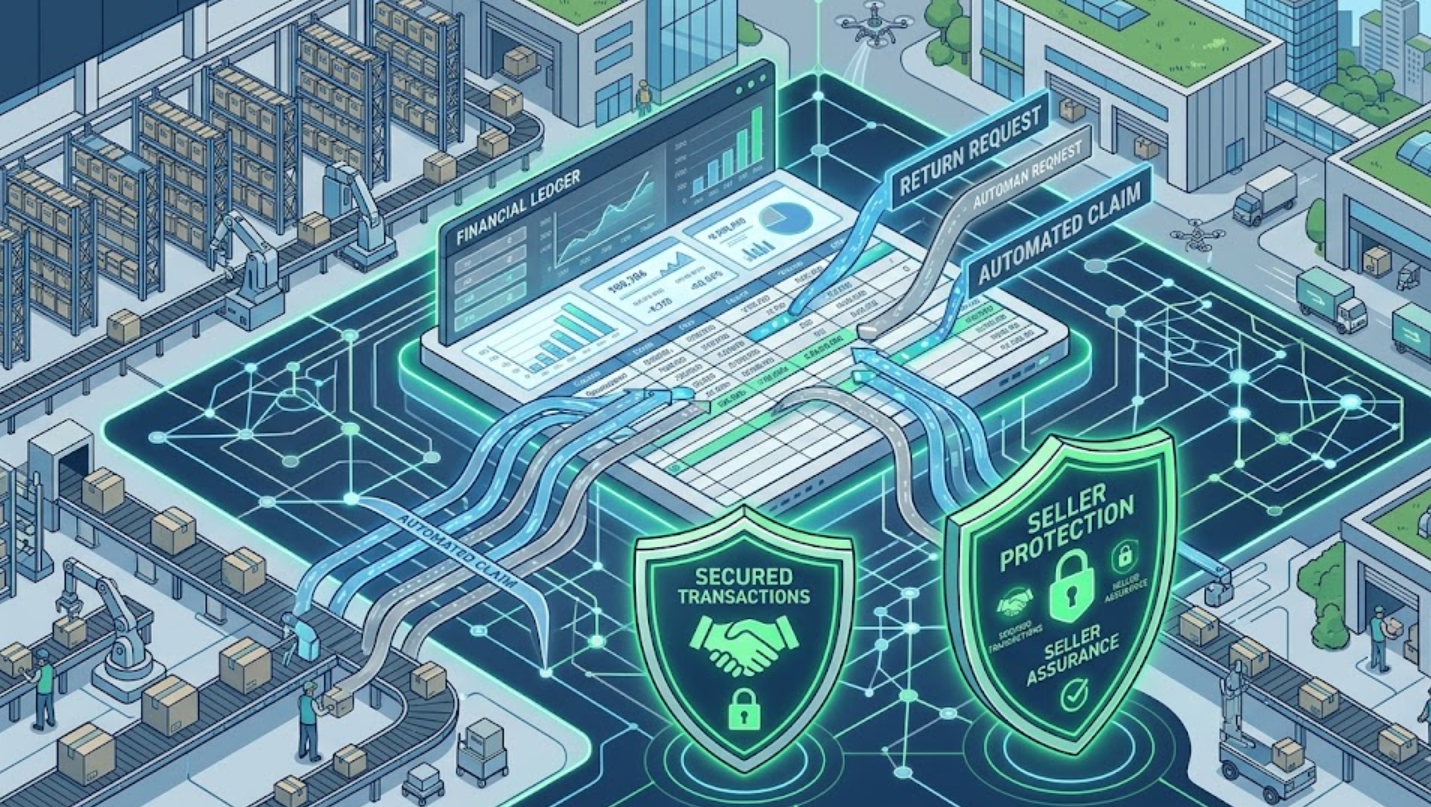
Navigating Amazon's A-to-Z Guarantee: Mitigating Seller-Funded Return Abuse
Amazon's automated A-to-Z Guarantee claims and escalating return abuse present a critical financial challenge for e-commerce sellers, often leading to uninvestigated, seller-funded losses. This trend, exacerbated by strict enforcement of doctrines like the First Sale Rule, necessitates proactive strategies to protect seller profitability. Understanding these dynamics and implementing robust mitigation tactics is essential for sustainable online business operations.
2026-04-29


