

Definition
A Tail Gate exam is a specific type of Customs examination utilized by U.S. Customs and Border Protection (CBP). It serves as an intermediate level of scrutiny, positioned higher than a non-intrusive X-ray exam but less rigorous than a full Intensive exam.
This process is triggered when CBP selects a container for enhanced screening based on risk assessment criteria.
Core Process
The Tail Gate exam follows a clearly defined, intrusive procedure executed at the ocean terminal:
• CBP officers break the original container seal.
• The doors of the container are opened.
• A visual inspection is performed, where the officer looks inside the container to verify contents and documentation.
Following this visual inspection, the Customs officer makes one of two determinations: release the container, or escalate the shipment to an Intensive exam for further, more thorough investigation.
Timeline and Operational Impact
A typical Tail Gate exam generally requires approximately 5 to 6 business days for completion.
However, total processing time is highly variable and depends significantly on logistical factors such as port congestion and the current operational workload at the designated CES (Centralized Examination Station).
Expert Advice
Shippers must maintain contingency buffers in their schedules whenever a container is flagged for a Tail Gate exam. Rapid response to any requests for additional documentation can significantly accelerate the release process and prevent unnecessary escalation. Work closely with your logistics provider, as they will update your shipment schedule as necessary.
-

Navigating Amazon's Account Level Reserve (ALR) and Cash Flow Throttling: A Guide for Sellers
Amazon's Account Level Reserve (ALR) and "Delivery Date + 7 days" (DD+7) disbursement policies are severely impacting seller cash flow, making it challenging to pay suppliers and restock inventory. Understanding these mechanisms is crucial for maintaining financial stability and operational efficiency in e-commerce. Strategic logistics and proactive financial planning can help mitigate these significant funding delays.
2026-05-06
-
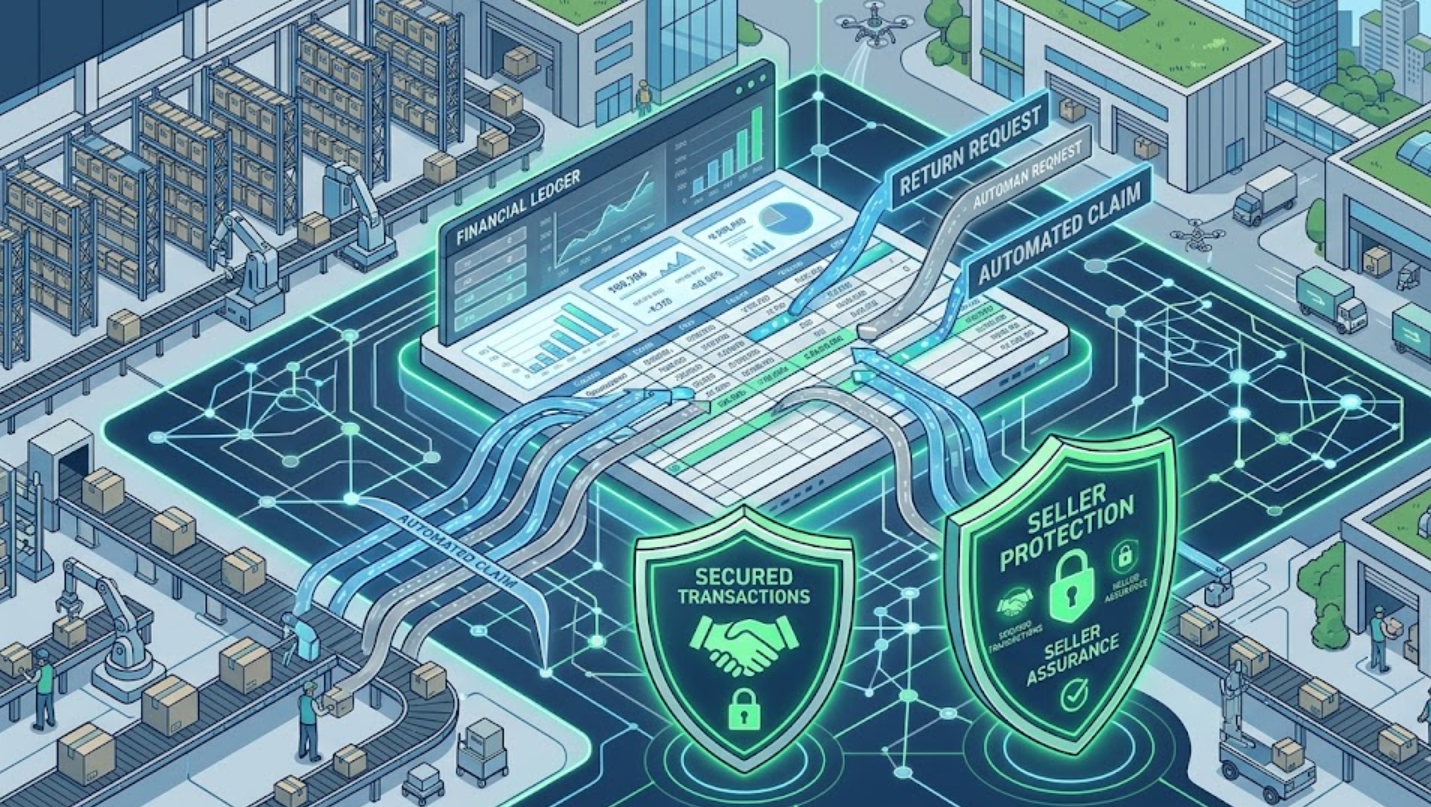
Navigating Amazon's A-to-Z Guarantee: Mitigating Seller-Funded Return Abuse
Amazon's automated A-to-Z Guarantee claims and escalating return abuse present a critical financial challenge for e-commerce sellers, often leading to uninvestigated, seller-funded losses. This trend, exacerbated by strict enforcement of doctrines like the First Sale Rule, necessitates proactive strategies to protect seller profitability. Understanding these dynamics and implementing robust mitigation tactics is essential for sustainable online business operations.
2026-04-29


