

TTW Defined
The acronym TTW stands for Toestemming Tot Wegvoering, which translates literally from Dutch as “permission to (re)move the goods.” It serves as the official release document issued by the Dutch Customs authorities, confirming that all required import duties, taxes, and regulatory clearances have been satisfied.
This document is the legal authorization required before any imported cargo may be moved out of a bonded area or otherwise considered released from EU customs control.
Core Function in Customs Clearance
The issuance of the TTW marks the formal end of the customs import procedure. Prior to receiving the TTW, goods are considered to be under Customs supervision (temporary storage or placement under a specific customs procedure).
The process flow generally requires the submission of a complete and accurate import declaration. Once Dutch Customs validates the declaration, assesses risk, and verifies payment or guarantee of necessary duties, the TTW is digitally transmitted or issued to the consignee or their appointed customs broker.
Expert Logistics Consulting Advice
For importers, understanding the TTW is critical for minimizing demurrage and detention charges. Delays in receiving this document can severely impact supply chain timelines. Logicmile advises clients to ensure that all required documentation (commercial invoices, packing lists, and Certificates of Origin) is electronically submitted and validated promptly.
• Always pre-file import declarations where possible to expedite the release timeline.
• Maintain clear communication with your appointed customs broker regarding the status of the TTW.
• Do not arrange final mile transport until the TTW is confirmed, as moving goods without this permission constitutes a serious customs violation.
Key Takeaways
The TTW is the legal benchmark for release. Until this specific document is received, goods cannot legally be considered free circulation goods within the EU. Its confirmation transitions the shipment from a controlled, supervised status to a freely movable commodity.
-

Navigating Amazon's Account Level Reserve (ALR) and Cash Flow Throttling: A Guide for Sellers
Amazon's Account Level Reserve (ALR) and "Delivery Date + 7 days" (DD+7) disbursement policies are severely impacting seller cash flow, making it challenging to pay suppliers and restock inventory. Understanding these mechanisms is crucial for maintaining financial stability and operational efficiency in e-commerce. Strategic logistics and proactive financial planning can help mitigate these significant funding delays.
2026-05-06
-
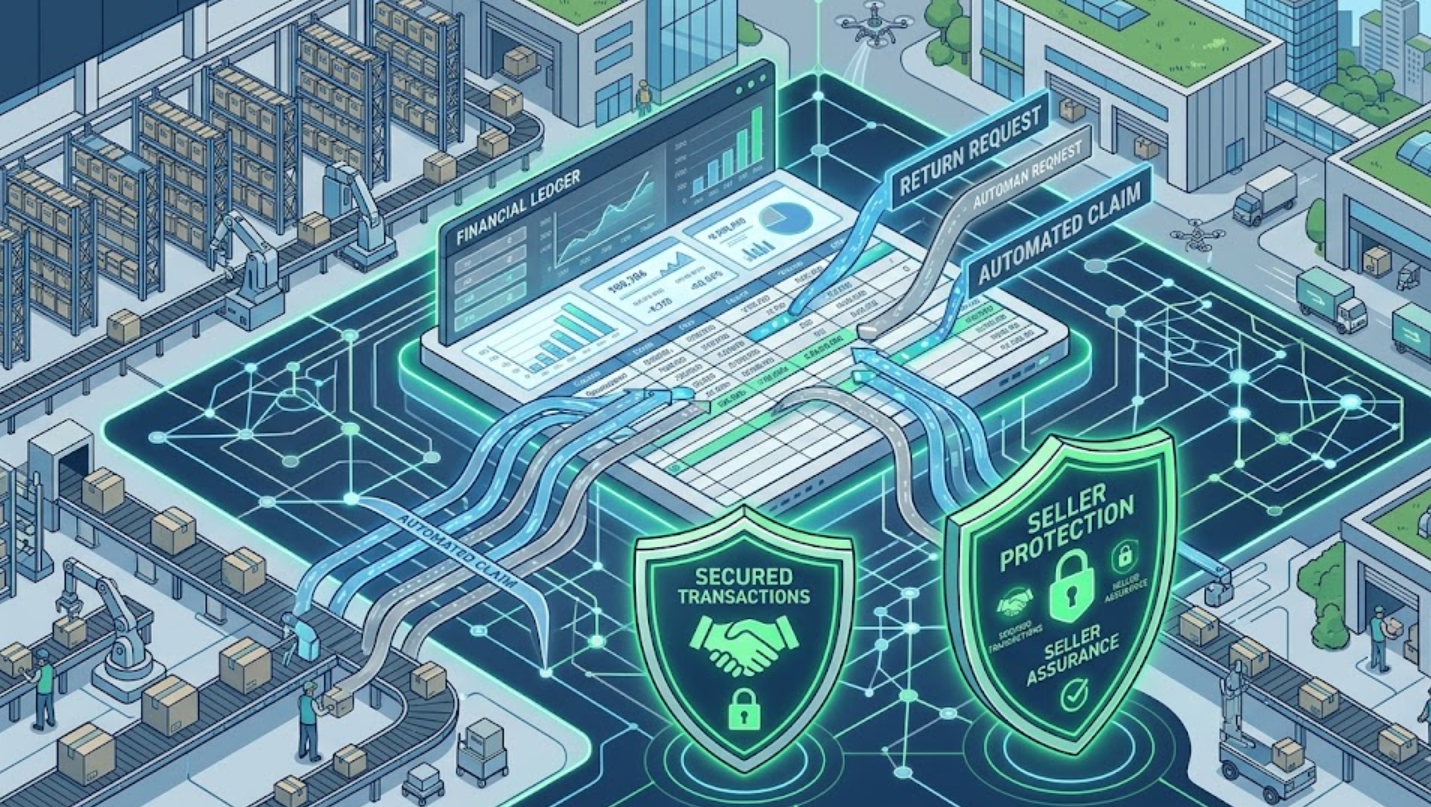
Navigating Amazon's A-to-Z Guarantee: Mitigating Seller-Funded Return Abuse
Amazon's automated A-to-Z Guarantee claims and escalating return abuse present a critical financial challenge for e-commerce sellers, often leading to uninvestigated, seller-funded losses. This trend, exacerbated by strict enforcement of doctrines like the First Sale Rule, necessitates proactive strategies to protect seller profitability. Understanding these dynamics and implementing robust mitigation tactics is essential for sustainable online business operations.
2026-04-29


