

Definition of Storage Charges
Storage charges are monetary costs assessed for the physical storage of cargo or shipments at a designated facility outside of the primary ocean terminal (e.g., a warehouse, Container Examination Station (CES), or bonded facility). Unlike penalties, these charges cover the actual operational cost of holding the goods safely until they can be collected or moved forward in the supply chain.
When Storage Charges Apply (Core Reasons)
These fees are triggered by events that prevent immediate delivery. Common scenarios include:
• Customs Exam Delay: Your shipment is selected for a customs exam (like a VACIS or tailgate exam) and must be held in storage while awaiting official Customs release.
• FBA Pickup Delays: Shipments destined for Amazon FBA may incur storage fees if there is an extended delay in pickup by an Amazon-partnered carrier, requiring temporary warehousing.
• Pre-Pull Requirement: If the container requires a pre-pull service, it may need to be stored temporarily at the trucker’s yard before final delivery.
• Elective Holding: You may opt to intentionally put your shipment into storage before shipping it to its final destination (e.g., Amazon FBA) to manage inventory flow or delivery windows.
Storage Charges vs. Demurrage
It is critical to distinguish storage charges from demurrage fees, as they serve entirely different functions:
• Demurrage: Assessed by the terminal or carrier, this is a hefty fee charged for containers that are not picked up from the port before the Last Free Day (LFD). Demurrage is designed primarily as a financial penalty to discourage shippers from using the port as long-term storage, keeping the terminal fluid.
• Storage Charges: Assessed by the warehouse or holding facility, these fees cover the actual cost of space, labor, and security associated with physically storing the shipment after it has been moved away from the main port terminal.
Expert Advice
To minimize unexpected storage costs, shippers should proactively manage customs holds and final mile delivery schedules. Ensure all necessary documentation is prepared prior to vessel arrival and coordinate delivery appointments well in advance, especially for sensitive receivers like Amazon FBA. If potential delays are known, choosing a third-party warehouse for controlled, planned storage is often more cost-effective than incurring unanticipated fees due to last-minute complications.
-

Navigating Amazon's Account Level Reserve (ALR) and Cash Flow Throttling: A Guide for Sellers
Amazon's Account Level Reserve (ALR) and "Delivery Date + 7 days" (DD+7) disbursement policies are severely impacting seller cash flow, making it challenging to pay suppliers and restock inventory. Understanding these mechanisms is crucial for maintaining financial stability and operational efficiency in e-commerce. Strategic logistics and proactive financial planning can help mitigate these significant funding delays.
2026-05-06
-
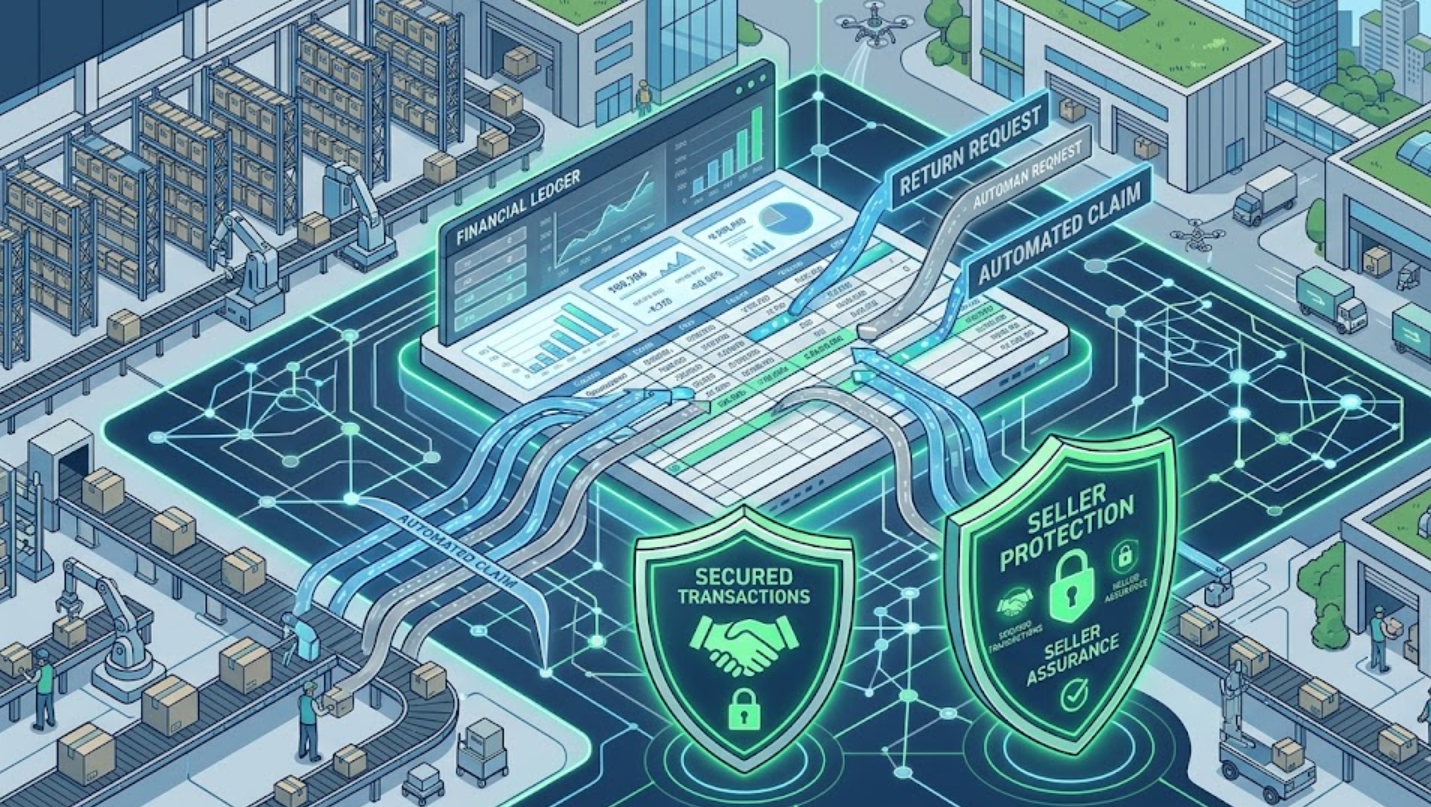
Navigating Amazon's A-to-Z Guarantee: Mitigating Seller-Funded Return Abuse
Amazon's automated A-to-Z Guarantee claims and escalating return abuse present a critical financial challenge for e-commerce sellers, often leading to uninvestigated, seller-funded losses. This trend, exacerbated by strict enforcement of doctrines like the First Sale Rule, necessitates proactive strategies to protect seller profitability. Understanding these dynamics and implementing robust mitigation tactics is essential for sustainable online business operations.
2026-04-29


