

Definition
A Stop-Off Fee is a supplementary charge levied by a carrier or trucking company when a shipment necessitates multiple stops between the origin and final destination. This fee compensates the carrier for deviations from a direct route, covering the associated labor, fuel, and time costs.
Core Process and Application
The fee is triggered any time the trucker needs to open the doors and process the delivery documentation at more than one location. Common applications include:
• Split Deliveries: When a single truckload or Less-Than-Truckload (LTL) shipment is divided, with portions delivered to two or more separate recipient warehouses (e.g., delivering 50 pallets at Warehouse A and the remaining 50 pallets at Warehouse B).
• Empty Returns: In specific scenarios, if the return location for empty containers or chassis is separate from the final delivery location, a stop-off fee may be applied to cover the extra move.
Invoicing and Visibility
Carriers handle the billing of stop-off fees in two primary ways. It may appear as a distinct line item on the freight quote or invoice under destination charges. Alternatively, some trucking companies choose to bundle the cost into the general Pickup and Delivery (P&D) charge. Logistics consulting requires vigilance regarding these charges, as multiple stops significantly escalate the overall freight invoice.
Expert Advice and Mitigation
To minimize or avoid excessive stop-off fees, shippers should strategically consolidate or deconsolidate cargo based on the mode of transport:
• Optimize Route Planning: If multiple stops are unavoidable, ensure they are situated along a logical, predetermined route path to minimize total mileage and time delay.
• Consolidate Inventory: Whenever possible, consolidate inventory destined for the same geographical area into a single delivery point, allowing the consignee to handle final internal distribution.
• Understand Carrier Agreements: Review the carrier's tariff or spot quote details carefully. If three stops are required, ensure the quote explicitly covers the fees for both the first and second stop-off points.
-

Navigating Amazon's Account Level Reserve (ALR) and Cash Flow Throttling: A Guide for Sellers
Amazon's Account Level Reserve (ALR) and "Delivery Date + 7 days" (DD+7) disbursement policies are severely impacting seller cash flow, making it challenging to pay suppliers and restock inventory. Understanding these mechanisms is crucial for maintaining financial stability and operational efficiency in e-commerce. Strategic logistics and proactive financial planning can help mitigate these significant funding delays.
2026-05-06
-
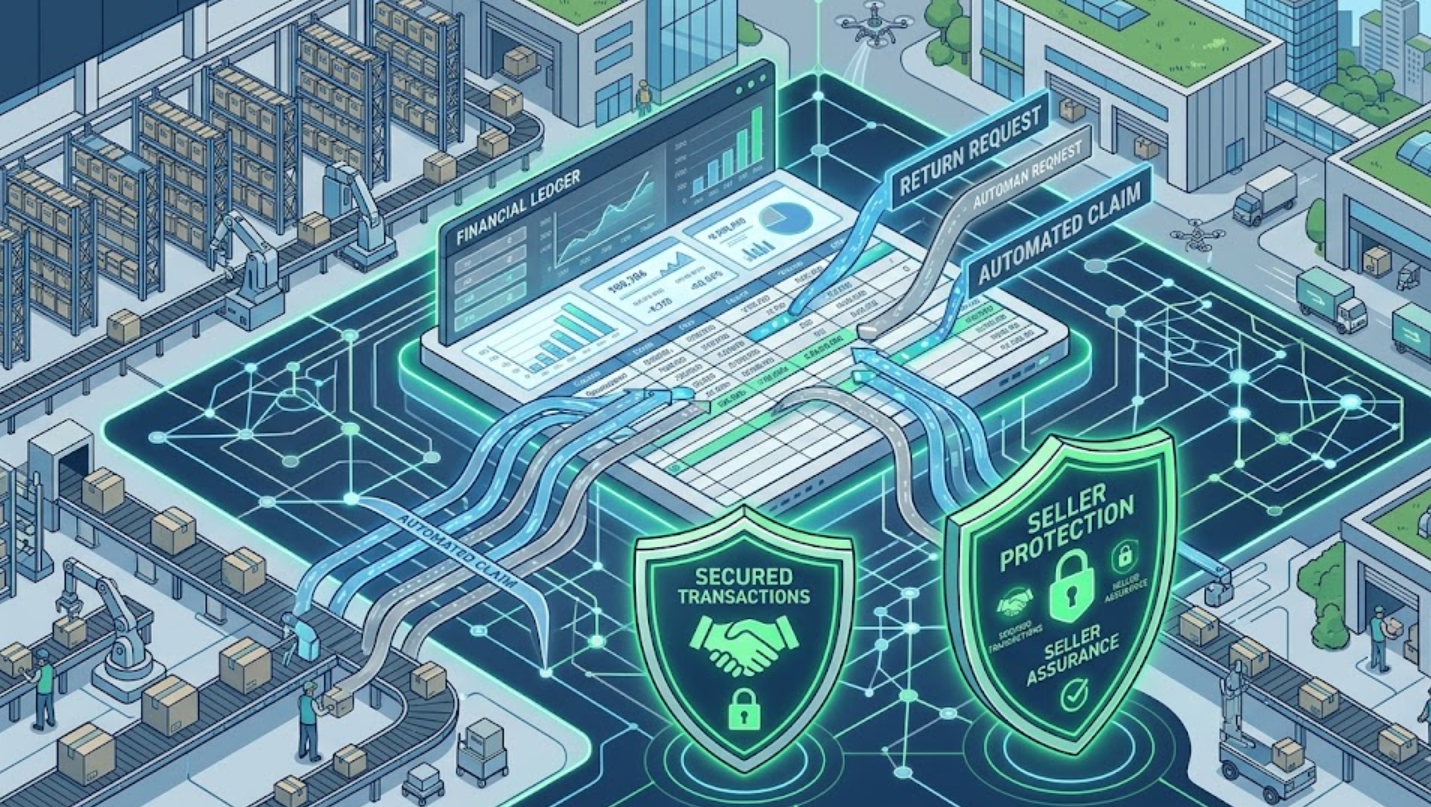
Navigating Amazon's A-to-Z Guarantee: Mitigating Seller-Funded Return Abuse
Amazon's automated A-to-Z Guarantee claims and escalating return abuse present a critical financial challenge for e-commerce sellers, often leading to uninvestigated, seller-funded losses. This trend, exacerbated by strict enforcement of doctrines like the First Sale Rule, necessitates proactive strategies to protect seller profitability. Understanding these dynamics and implementing robust mitigation tactics is essential for sustainable online business operations.
2026-04-29


