

Definition
A Shipping Order (SO) is the definitive confirmation document provided by the ocean carrier to the shipper (or freight forwarder) following a successful booking request. It legally reserves space on the specified vessel and provides the operational guidelines necessary to initiate the physical movement of the cargo.
Core Function and Process
The SO is the foundational operational document that translates a booking confirmation into physical action. Without a valid SO, the container cannot be retrieved or accepted at the terminal gate. Key details typically found on the SO include:
• Booking Number: The unique reference number required for all related documentation.
• Vessel and Voyage Details: The name of the vessel and specific journey identifier.
• Cut-off Times: The deadline for the loaded container to be received at the terminal.
• Empty Pickup Location (EPL): The exact location (depot or terminal) where the truck driver must retrieve the empty container.
• Container Type and Size: The specifications of the equipment assigned to the booking.
Once the SO is issued, the shipper uses it to schedule drayage (trucking). The driver must present the SO number when retrieving the empty equipment and when dropping off the loaded container at the terminal (Gate-In).
Expert Advice
For efficient logistics planning, always cross-reference the Empty Pickup Location (EPL) listed on the SO with the scheduled truck route. Unforeseen changes to the SO, such as a last-minute shift in the EPL or a vessel schedule change (known as an amendment), can incur significant unexpected drayage costs (e.g., dry runs or chassis split fees). Communicate these SO changes immediately to your trucking partner.
Key Takeaways
• The SO confirms both space reservation and operational instructions.
• It is essential for retrieving the empty container and performing the terminal gate-in.
• Always verify the cut-off dates and the empty container pickup location upon receipt.
-

Navigating Amazon's Account Level Reserve (ALR) and Cash Flow Throttling: A Guide for Sellers
Amazon's Account Level Reserve (ALR) and "Delivery Date + 7 days" (DD+7) disbursement policies are severely impacting seller cash flow, making it challenging to pay suppliers and restock inventory. Understanding these mechanisms is crucial for maintaining financial stability and operational efficiency in e-commerce. Strategic logistics and proactive financial planning can help mitigate these significant funding delays.
2026-05-06
-
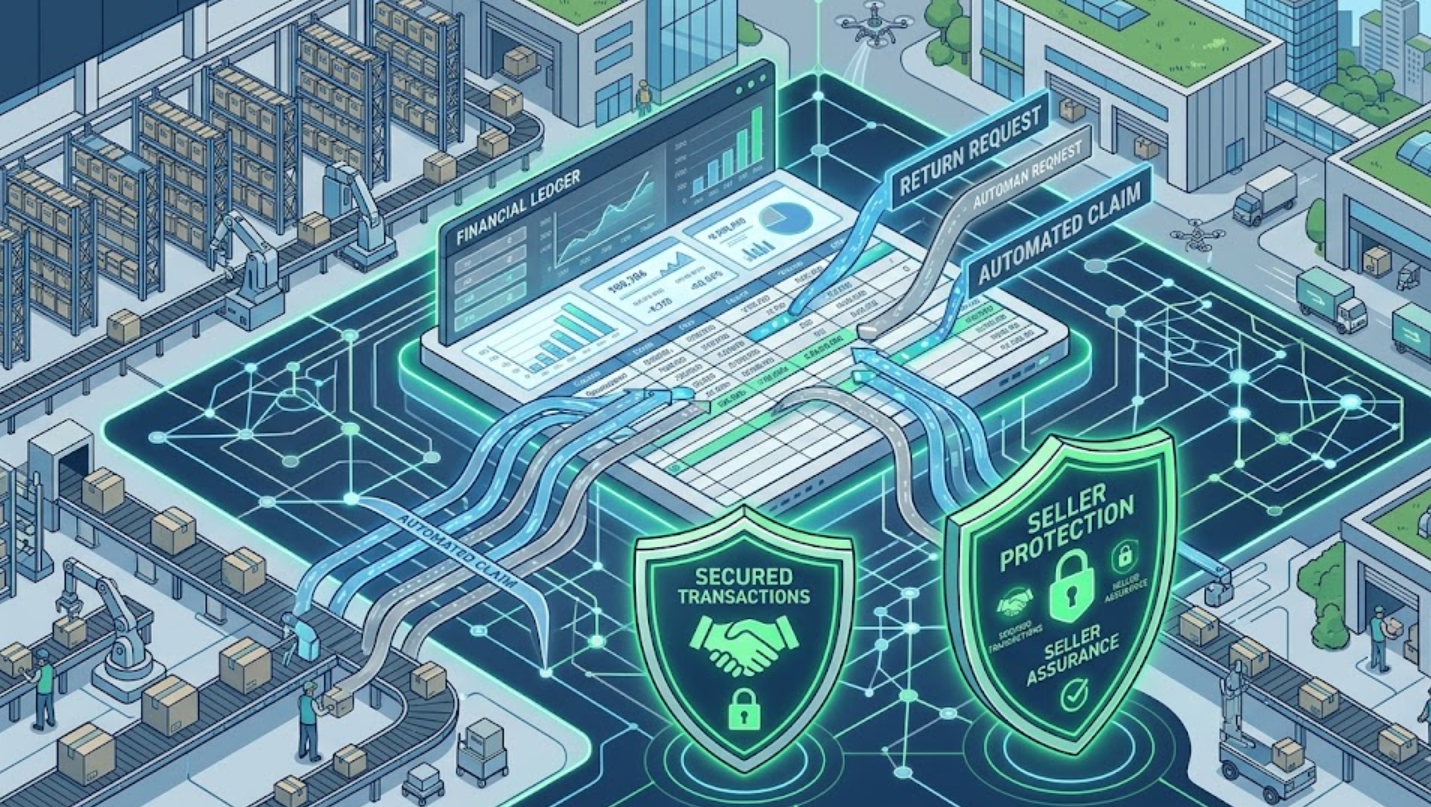
Navigating Amazon's A-to-Z Guarantee: Mitigating Seller-Funded Return Abuse
Amazon's automated A-to-Z Guarantee claims and escalating return abuse present a critical financial challenge for e-commerce sellers, often leading to uninvestigated, seller-funded losses. This trend, exacerbated by strict enforcement of doctrines like the First Sale Rule, necessitates proactive strategies to protect seller profitability. Understanding these dynamics and implementing robust mitigation tactics is essential for sustainable online business operations.
2026-04-29


