

Definition
The SLI is a mandatory legal document that conveys the exporter's specific instructions for the efficient and compliant processing of an export shipment. It functions as a comprehensive checklist and authorization form, ensuring the forwarder understands the cargo details, desired routing, and specific documentation needs.
Core Function and Authority
The primary function of the SLI is dual: instruction and authorization.
It instructs the freight forwarder on essential logistical elements, including:
• Shipment details (description, weight, dimensions)
• Requested carrier and routing
• Required insurance and documentation (e.g., Certificates of Origin)
• Specific delivery instructions
Crucially, the completion of the SLI grants the forwarder permission to act as the authorized forwarding agent for U.S. export control and customs purposes. This authority is vital for filing the Electronic Export Information (EEI) via the Automated Export System (AES). All U.S. export shipments require a completed SLI.
Expert Advice
While templates are available, always use the SLI provided by your dedicated freight forwarding partner, as it will be optimized for their internal systems and required compliance checks. Initiate the completion process immediately upon shipment initiation. Accuracy is paramount; errors on the SLI can lead to customs delays, fines, or regulatory non-compliance. Review all Schedule B codes and destination control statements before submission.
Key Takeaways
• The SLI is mandatory for all U.S. export shipments.
• It grants the freight forwarder legal authority (Power of Attorney).
• It dictates precise handling and routing instructions.
• Prompt and accurate completion prevents customs delays.
-

Navigating Amazon's Account Level Reserve (ALR) and Cash Flow Throttling: A Guide for Sellers
Amazon's Account Level Reserve (ALR) and "Delivery Date + 7 days" (DD+7) disbursement policies are severely impacting seller cash flow, making it challenging to pay suppliers and restock inventory. Understanding these mechanisms is crucial for maintaining financial stability and operational efficiency in e-commerce. Strategic logistics and proactive financial planning can help mitigate these significant funding delays.
2026-05-06
-
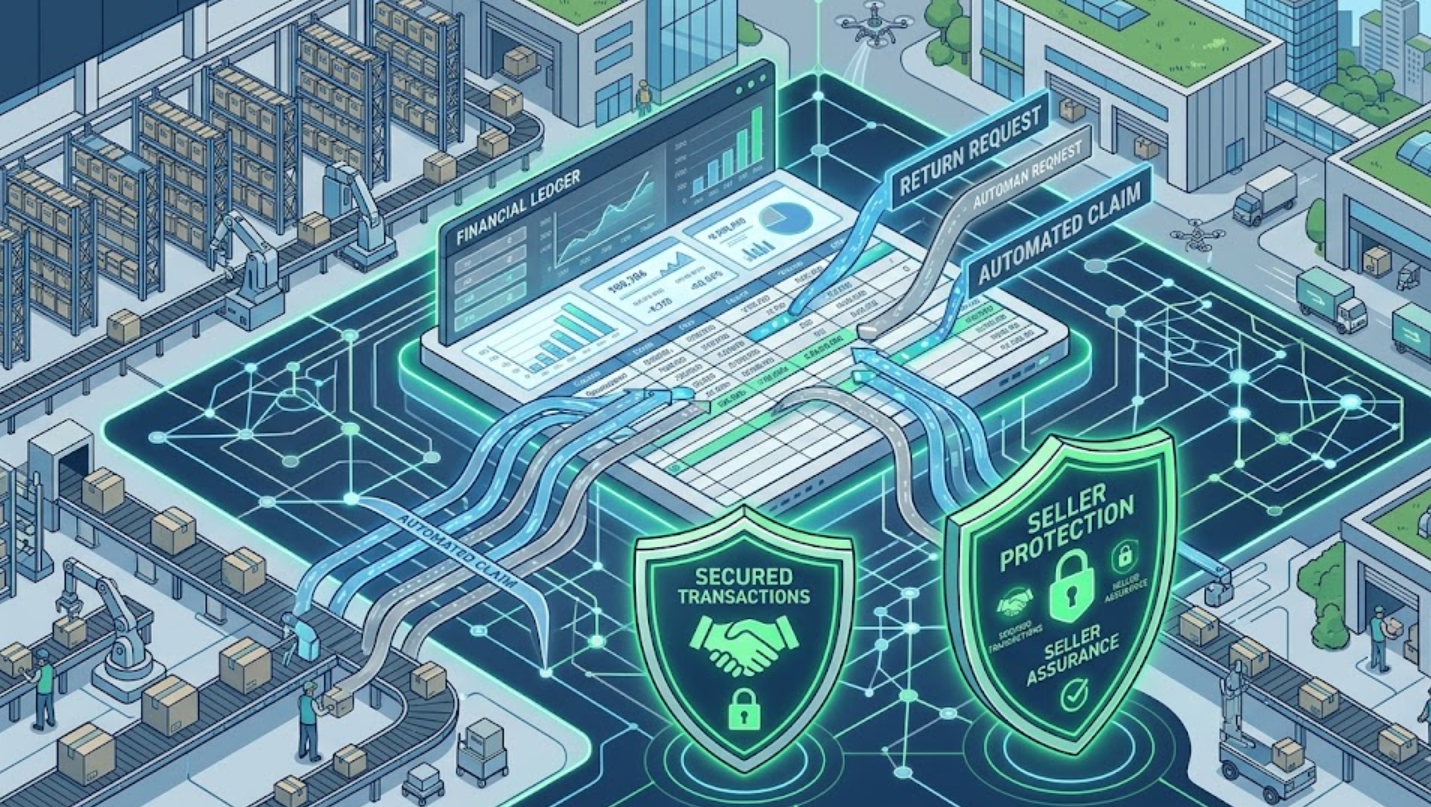
Navigating Amazon's A-to-Z Guarantee: Mitigating Seller-Funded Return Abuse
Amazon's automated A-to-Z Guarantee claims and escalating return abuse present a critical financial challenge for e-commerce sellers, often leading to uninvestigated, seller-funded losses. This trend, exacerbated by strict enforcement of doctrines like the First Sale Rule, necessitates proactive strategies to protect seller profitability. Understanding these dynamics and implementing robust mitigation tactics is essential for sustainable online business operations.
2026-04-29


