

Definition
Rolled cargo occurs when booked freight cannot be loaded onto the intended vessel because the carrier ran out of capacity. This practice of overbooking vessel slots is analogous to how passenger airlines overbook seats, aiming to maximize asset utilization but creating operational risks for shippers.
Impact and Resolution
When cargo is rolled, the carrier's standard procedure is to reschedule the freight onto the next available vessel. It is important to note that this new booking remains subject to being rolled again, potentially leading to compounding transit delays. Logicmile emphasizes the need for close monitoring and constant communication to manage shipment schedules effectively.
Mitigation Strategies
Shippers cannot entirely prevent cargo from being rolled, but strategic booking and preparation significantly lessen the chance of it occurring. Cargo is most likely to be rolled when vessel space is extremely tight.
Key Prevention Tactics:
• Request quotes and finalize shipments at least two weeks prior to the Cargo Ready Date (CRD).
• Monitor vessel capacity reports and market updates, especially during peak seasons.
• Exercise extra vigilance during known capacity crunch periods, such as the weeks leading up to Golden Week and Chinese New Year.
• Strictly adhere to container weight limits. Overweight containers are often the first pieces of freight selected to be rolled when carriers need to optimize capacity quickly.
Expert Advice
Maintaining accurate communication and visibility into vessel capacity is the most powerful tool against unforeseen delays caused by rolled cargo.
-

Navigating Amazon's Account Level Reserve (ALR) and Cash Flow Throttling: A Guide for Sellers
Amazon's Account Level Reserve (ALR) and "Delivery Date + 7 days" (DD+7) disbursement policies are severely impacting seller cash flow, making it challenging to pay suppliers and restock inventory. Understanding these mechanisms is crucial for maintaining financial stability and operational efficiency in e-commerce. Strategic logistics and proactive financial planning can help mitigate these significant funding delays.
2026-05-06
-
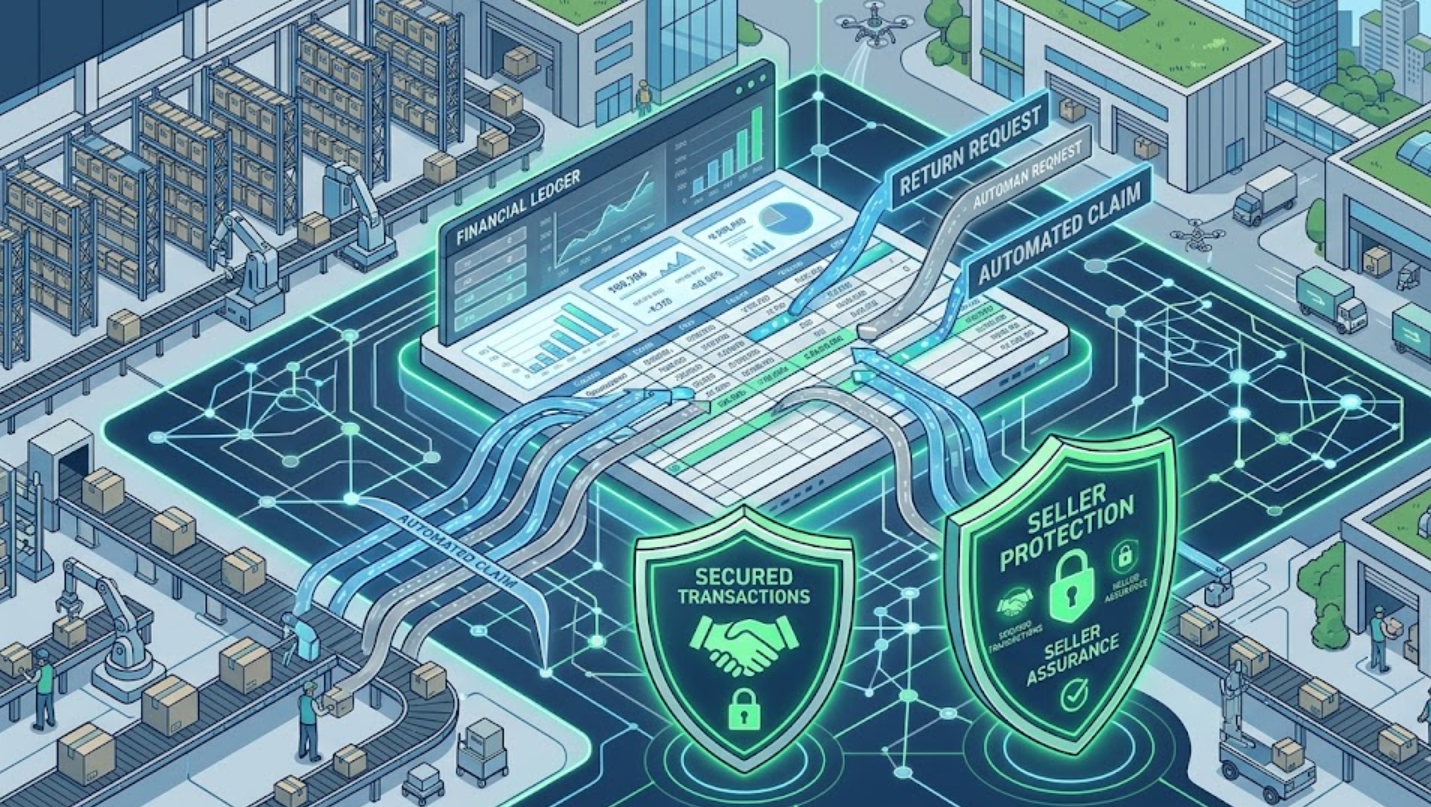
Navigating Amazon's A-to-Z Guarantee: Mitigating Seller-Funded Return Abuse
Amazon's automated A-to-Z Guarantee claims and escalating return abuse present a critical financial challenge for e-commerce sellers, often leading to uninvestigated, seller-funded losses. This trend, exacerbated by strict enforcement of doctrines like the First Sale Rule, necessitates proactive strategies to protect seller profitability. Understanding these dynamics and implementing robust mitigation tactics is essential for sustainable online business operations.
2026-04-29


