

Definition
Quality Control (QC) is the process during which the quality of products and the manufacturing process itself are systematically evaluated against established standards and buyer specifications. In logistics and supply chain management, effective QC ensures that goods received, stored, and shipped meet the required benchmarks for performance, appearance, and regulatory compliance. It is primarily a reactive approach focused on inspection and defect identification.
Core Process and Function
The function of QC is to implement methods and procedures designed to verify product integrity at key stages. This typically involves defining measurable standards, performing inspections, and documenting results.
• Setting Standards: Establishing the Acceptable Quality Limits (AQL) and defining defect categories (minor, major, critical).
• Inspection: Conducting physical checks (pre-production, in-line production, and pre-shipment inspections - PSI) to identify non-conformities.
• Testing: Utilizing laboratory or functional tests to confirm product performance and durability.
• Reporting: Generating detailed inspection reports used to approve shipments or initiate corrective actions with the supplier.
Expert Advice
If you are planning on having a product manufactured, consider paying for independent third-party quality control inspections. Relying solely on the factory's internal QC can create conflicts of interest. Investing in robust pre-shipment inspection (PSI) is the single most effective way to prevent costly supply chain disruptions, such as product recalls or customer dissatisfaction upon arrival. Always clearly define your specifications and tolerances before production begins.
Key Takeaways
• QC focuses on product inspection and defect identification, whereas Quality Assurance (QA) focuses on preventing defects through process improvement.
• Effective QC utilizes tools like Statistical Process Control (SPC) and detailed inspection checklists.
• Non-compliance discovered during QC requires immediate Corrective Action Plans (CAPs) from the supplier before shipment approval.
-

Navigating Amazon's Account Level Reserve (ALR) and Cash Flow Throttling: A Guide for Sellers
Amazon's Account Level Reserve (ALR) and "Delivery Date + 7 days" (DD+7) disbursement policies are severely impacting seller cash flow, making it challenging to pay suppliers and restock inventory. Understanding these mechanisms is crucial for maintaining financial stability and operational efficiency in e-commerce. Strategic logistics and proactive financial planning can help mitigate these significant funding delays.
2026-05-06
-
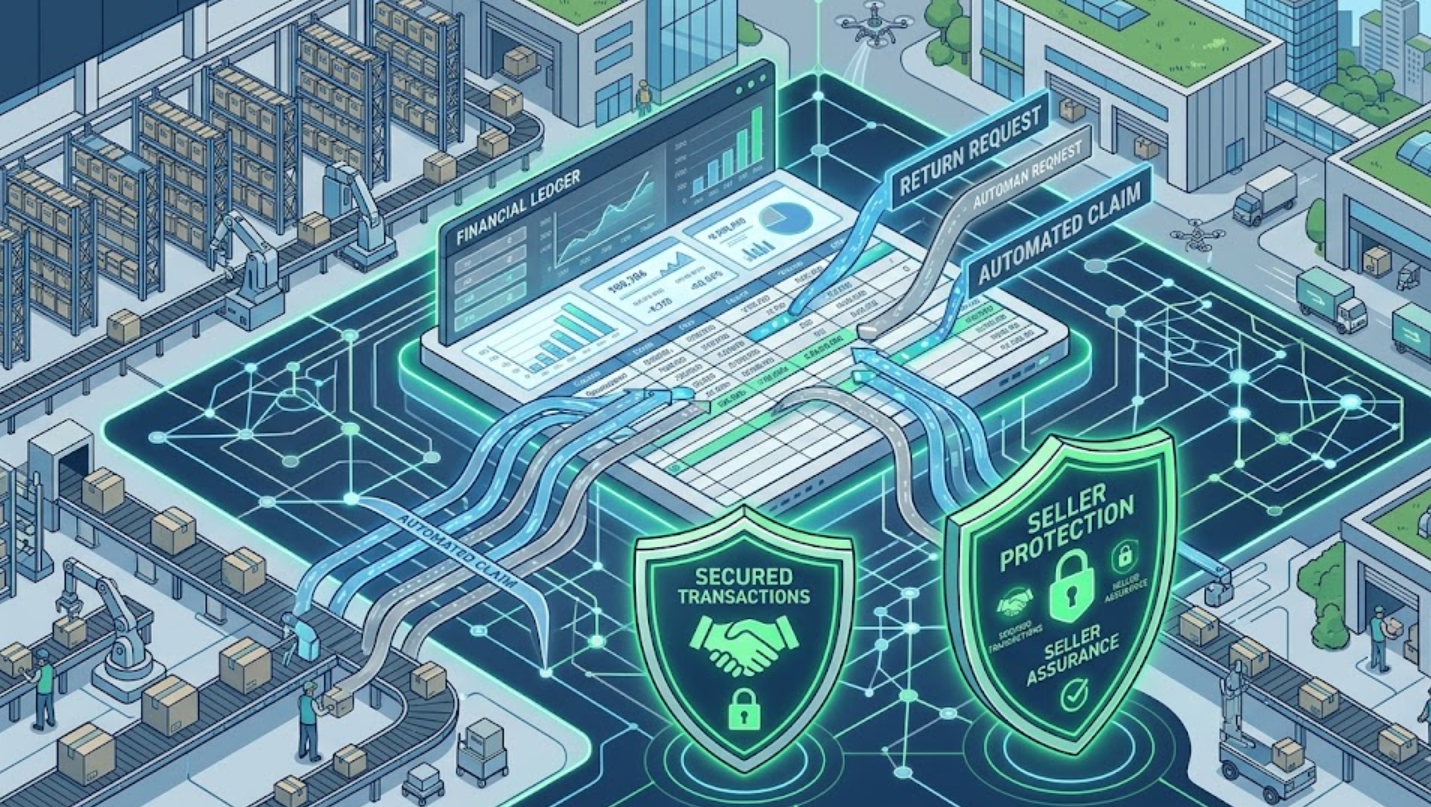
Navigating Amazon's A-to-Z Guarantee: Mitigating Seller-Funded Return Abuse
Amazon's automated A-to-Z Guarantee claims and escalating return abuse present a critical financial challenge for e-commerce sellers, often leading to uninvestigated, seller-funded losses. This trend, exacerbated by strict enforcement of doctrines like the First Sale Rule, necessitates proactive strategies to protect seller profitability. Understanding these dynamics and implementing robust mitigation tactics is essential for sustainable online business operations.
2026-04-29


