

Definition
A Prior Disclosure is a formal, voluntary notification submitted by an importer to U.S. Customs and Border Protection (CBP) regarding one or more violations that occurred prior to the initiation of a formal investigation by the agency. These disclosures typically involve tendering any loss of duties associated with the identified violation(s).
Core Process
When an error is identified, the importer must conduct a comprehensive review. CBP can look back at prior entries for up to five years, meaning the importer should review all instances that occurred over that period.
• Common issues addressed include misclassification, undervaluation, incorrect country of origin, and incorrectly declared free trade agreements.
• The disclosure must fully quantify the monetary impact of the violation.
Why File a Prior Disclosure
Importers file a Prior Disclosure primarily to mitigate risk and demonstrate trade compliance commitment:
• Show Reasonable Care: Filing the disclosure proactively demonstrates to CBP that the importer adheres to the legal standard of reasonable care in their import operations.
• Penalty Reduction: It significantly reduces the potential fines and penalties that would be administered if CBP were to identify the errors independently through an audit or investigation.
Expert Advice
Submitting a Prior Disclosure requires thorough vetting by a qualified trade advisory team or a trade attorney. This review is essential to ensure that there are no additional, potentially more severe violations that CBP might uncover during their subsequent review. Submitting a Prior Disclosure without properly vetting it exposes the importer to potential penalties that may not fall under the protective provisions afforded by the voluntary disclosure process.
-

Navigating Amazon's Account Level Reserve (ALR) and Cash Flow Throttling: A Guide for Sellers
Amazon's Account Level Reserve (ALR) and "Delivery Date + 7 days" (DD+7) disbursement policies are severely impacting seller cash flow, making it challenging to pay suppliers and restock inventory. Understanding these mechanisms is crucial for maintaining financial stability and operational efficiency in e-commerce. Strategic logistics and proactive financial planning can help mitigate these significant funding delays.
2026-05-06
-
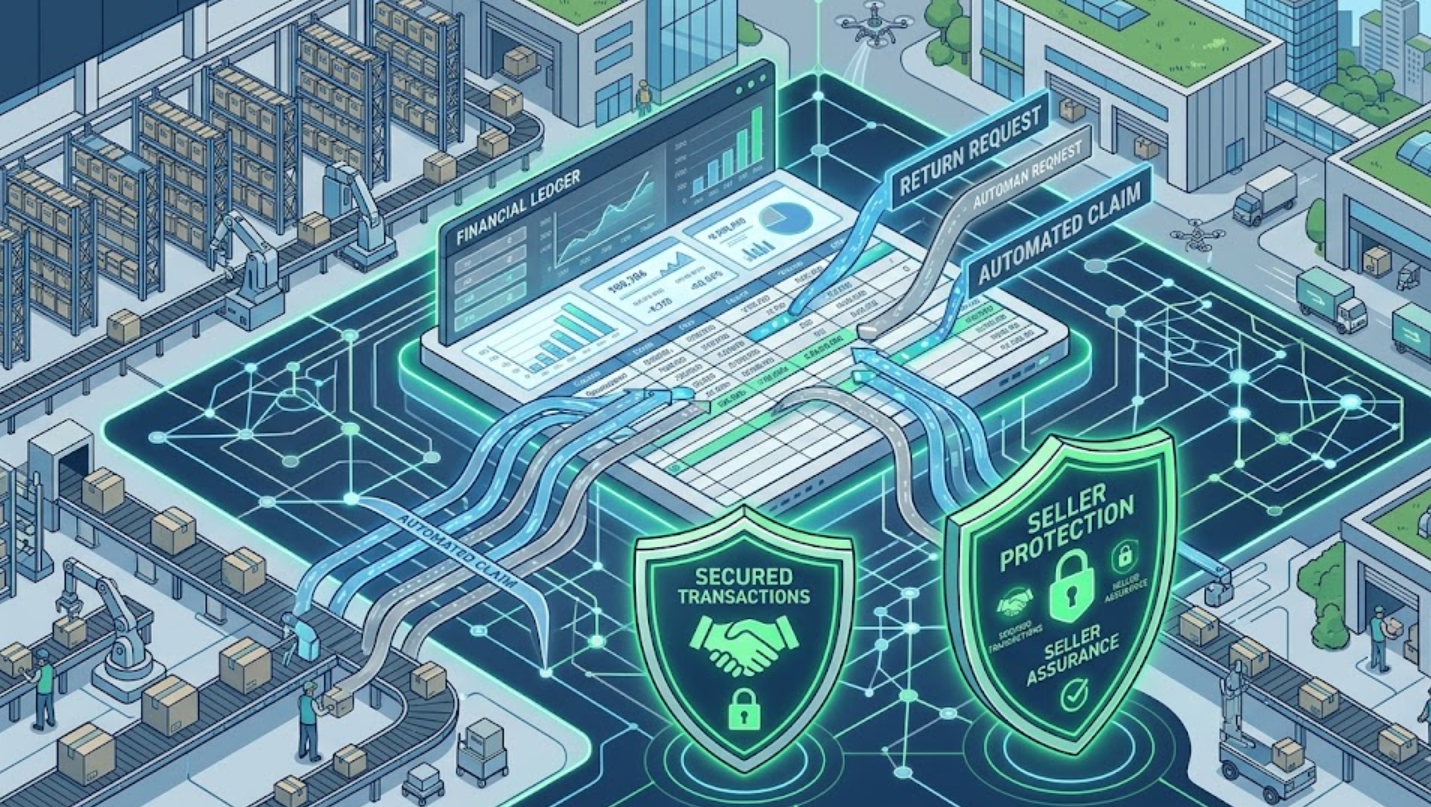
Navigating Amazon's A-to-Z Guarantee: Mitigating Seller-Funded Return Abuse
Amazon's automated A-to-Z Guarantee claims and escalating return abuse present a critical financial challenge for e-commerce sellers, often leading to uninvestigated, seller-funded losses. This trend, exacerbated by strict enforcement of doctrines like the First Sale Rule, necessitates proactive strategies to protect seller profitability. Understanding these dynamics and implementing robust mitigation tactics is essential for sustainable online business operations.
2026-04-29


