

Definition
A Pre-Pull occurs when a contracted trucker removes a Full Container Load (FCL) container from the ocean port or rail terminal and temporarily stages it at the trucking company’s secure container yard, rather than proceeding immediately to the final delivery location.
This process is essential when the consignee cannot accept the delivery at the precise moment the container leaves the port gate.
Core Function and Necessity
The primary function of a Pre-Pull is to provide crucial timing flexibility for shippers and consignees, mitigating financial risks associated with terminal delays.
A Pre-Pull is often necessary in the following scenarios:
• Avoiding Demurrage: If the Last Free Day (LFD) for the container is rapidly approaching, and the final delivery appointment cannot be scheduled before that deadline, pulling the container prevents costly demurrage charges levied by the terminal.
• Delivery Appointments: Many large receivers (e.g., distribution centers) operate strictly by appointment. If the port schedules and traffic prevent the container from meeting that specific appointment window, the container is pre-pulled and then delivered exactly on time when the appointment slot arrives.
• Yard Capacity: The consignee’s facility may not have the dock or yard space immediately available to receive the container, requiring temporary external storage.
Financial Consideration (Invoicing)
When utilized, the Pre-Pull service is recorded on the logistics invoice as a distinct charge. Depending on the origin of the service, it will be listed as an Origin Charge (if relating to the initial port process) or, more commonly, a Destination Charge (if handled by the final delivery drayage provider). While there is a fee for the Pre-Pull itself, this fee is almost always significantly lower than the cumulative daily charges for demurrage, making it a cost-effective risk mitigation strategy.
Expert Advice
Logicmile recommends integrating the potential for a Pre-Pull into your supply chain planning, especially for time-sensitive cargo or deliveries to high-volume distribution centers. Always communicate your required delivery date (RDD) clearly to your logistics partner. A proactive decision to Pre-Pull, made 24-48 hours before the LFD, ensures the lowest total cost and avoids emergency logistics fees.
-

Navigating Amazon's Account Level Reserve (ALR) and Cash Flow Throttling: A Guide for Sellers
Amazon's Account Level Reserve (ALR) and "Delivery Date + 7 days" (DD+7) disbursement policies are severely impacting seller cash flow, making it challenging to pay suppliers and restock inventory. Understanding these mechanisms is crucial for maintaining financial stability and operational efficiency in e-commerce. Strategic logistics and proactive financial planning can help mitigate these significant funding delays.
2026-05-06
-
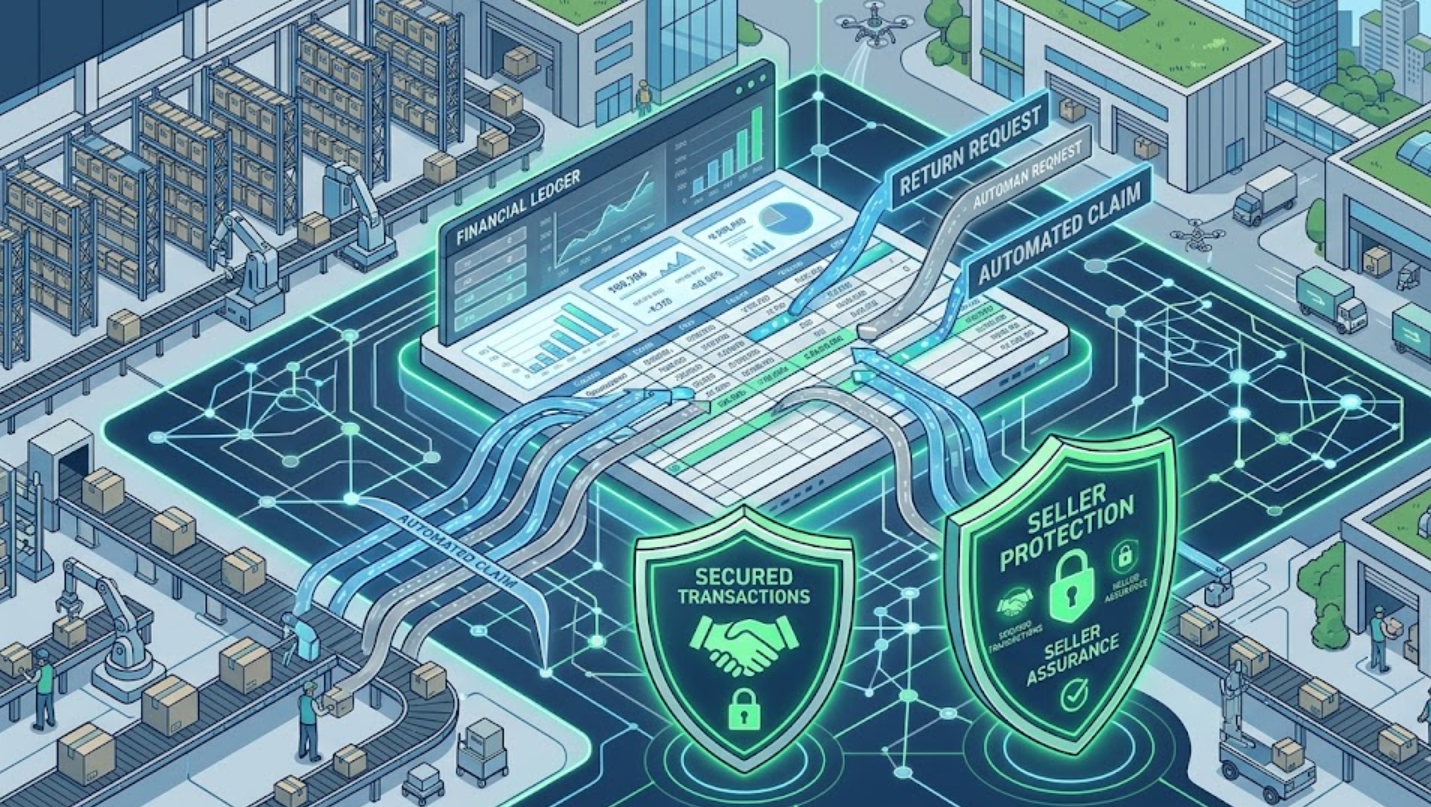
Navigating Amazon's A-to-Z Guarantee: Mitigating Seller-Funded Return Abuse
Amazon's automated A-to-Z Guarantee claims and escalating return abuse present a critical financial challenge for e-commerce sellers, often leading to uninvestigated, seller-funded losses. This trend, exacerbated by strict enforcement of doctrines like the First Sale Rule, necessitates proactive strategies to protect seller profitability. Understanding these dynamics and implementing robust mitigation tactics is essential for sustainable online business operations.
2026-04-29


