

Definition
In the logistics and supply chain sector, a Power of Attorney (POA) is the formal legal authorization required by regulatory bodies, such as U.S. Customs and Border Protection (CBP), allowing a licensed customs broker to represent the importer or exporter. This authorization transfers legal responsibility for filing declarations, payment of duties, and managing entry processes to the broker on the client's behalf. Without a valid POA, a customs broker cannot legally conduct customs business for the client.
Core Process and Function
The primary function of the POA is to establish a compliant framework for conducting customs transactions. The broker uses the POA to execute necessary actions, including submitting entry summaries, securing required permits, classifying goods, and managing duty payments and refunds. It serves as proof that the broker is acting with the full knowledge and legal consent of the party responsible for the imported or exported goods. The scope of the POA is strictly defined by the jurisdiction and the specific services outlined in the agreement.
Expert Advice
Importers and exporters must treat the POA with the same gravity as any binding legal contract. It is crucial to confirm the duration and renewal requirements of the document. Many POA agreements are effective immediately but may require periodic renewal—sometimes annually or every few years—depending on the contract details and the regulatory environment. Ensure the POA clearly defines the specific types of customs transactions the broker is authorized to handle to avoid scope creep or unauthorized actions.
Key Takeaways
• The POA is mandatory for customs clearance representation.
• It legally authorizes the customs broker to file entries and pay duties.
• Duration and renewal frequency vary; review your broker contract details carefully.
• A signed POA is required before the broker can initiate the customs business process.
-

Navigating Amazon's Account Level Reserve (ALR) and Cash Flow Throttling: A Guide for Sellers
Amazon's Account Level Reserve (ALR) and "Delivery Date + 7 days" (DD+7) disbursement policies are severely impacting seller cash flow, making it challenging to pay suppliers and restock inventory. Understanding these mechanisms is crucial for maintaining financial stability and operational efficiency in e-commerce. Strategic logistics and proactive financial planning can help mitigate these significant funding delays.
2026-05-06
-
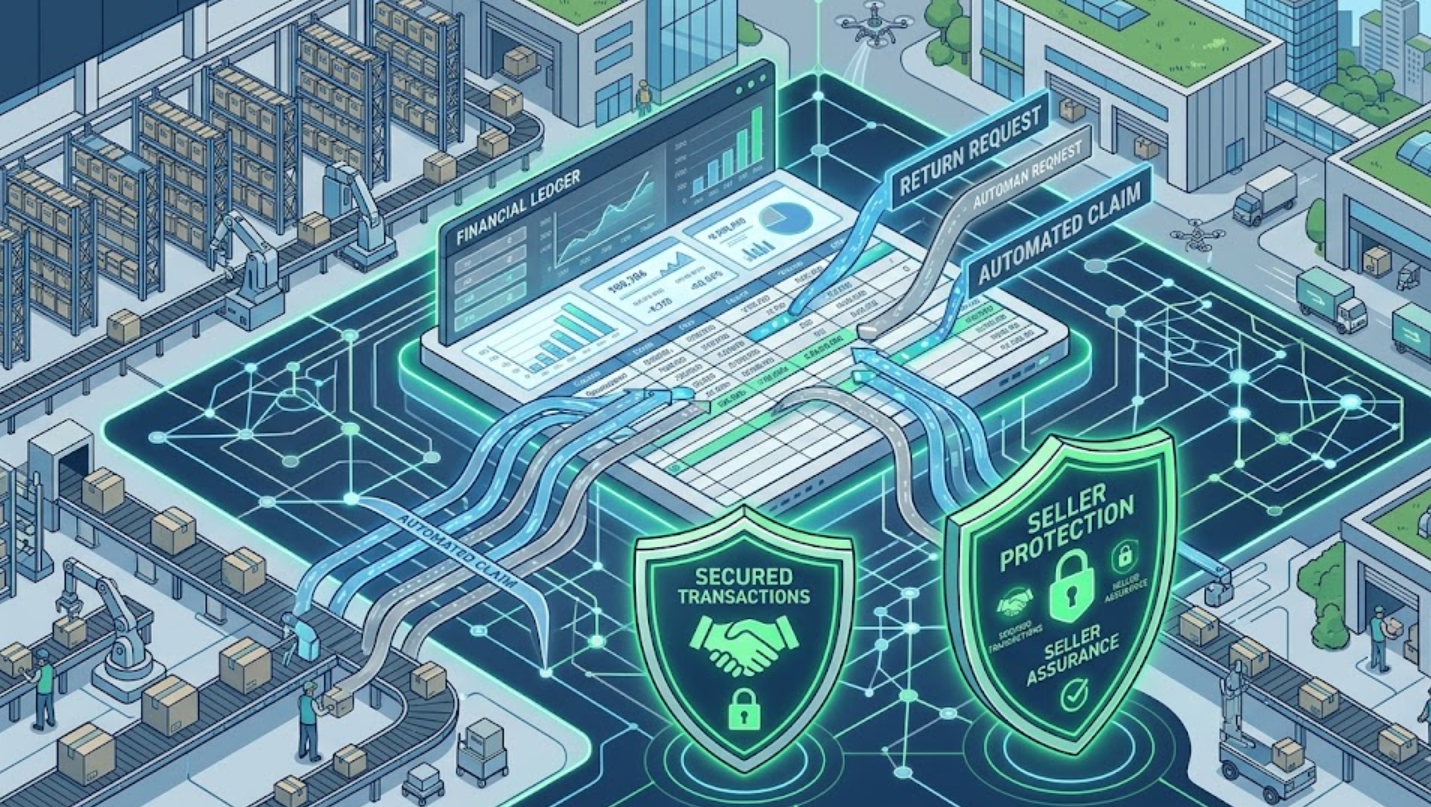
Navigating Amazon's A-to-Z Guarantee: Mitigating Seller-Funded Return Abuse
Amazon's automated A-to-Z Guarantee claims and escalating return abuse present a critical financial challenge for e-commerce sellers, often leading to uninvestigated, seller-funded losses. This trend, exacerbated by strict enforcement of doctrines like the First Sale Rule, necessitates proactive strategies to protect seller profitability. Understanding these dynamics and implementing robust mitigation tactics is essential for sustainable online business operations.
2026-04-29


