

Definition
The Pier Pass Fee, also known as the Traffic Mitigation Fee (TMF), is a mandatory destination charge applied to virtually all container moves entering or leaving the Ports of Los Angeles (POLA) and Long Beach (POLB). It was initially introduced to incentivize shippers to move cargo during off-peak hours to reduce road congestion.
Core Process
The system currently operates under PierPass 2.0, effective since November 19, 2018. This revision replaced the original congestion-based model. Under PierPass 2.0, a single flat fee is charged for both daytime and nighttime container moves, simplifying the billing process and guaranteeing funding for extended gate operations.
Current Rates and Calculation
As of August 1, 2021, the TMF is calculated based on container size:
• $34.21 per TEU (twenty-foot equivalent unit)
• $68.42 for all other sizes of containers (e.g., 40-foot containers)
The fee is assessed directly on the beneficial cargo owner and appears on relevant freight forwarding documentation.
Expert Advice
Shippers and logistics managers must budget for the Pier Pass Fee as a non-negotiable destination charge on all shipments flowing through the LA/LB complex. This charge is critical for maintaining the fluidity and extended hours (OffPeak program) of these major gateway ports. Always verify the current TMF rate annually, as these fees are subject to periodic review by port authorities to align with operational costs.
Key Takeaways
• The Pier Pass Fee (TMF) is mandatory for containers moving through LA/LB.
• The fee supports traffic mitigation efforts and extended gate hours.
• PierPass 2.0 ensures a single flat fee regardless of the time of day the container is moved.
• The fee will appear on Flexport quotes or invoices as a destination charge.
-

Navigating Amazon's Account Level Reserve (ALR) and Cash Flow Throttling: A Guide for Sellers
Amazon's Account Level Reserve (ALR) and "Delivery Date + 7 days" (DD+7) disbursement policies are severely impacting seller cash flow, making it challenging to pay suppliers and restock inventory. Understanding these mechanisms is crucial for maintaining financial stability and operational efficiency in e-commerce. Strategic logistics and proactive financial planning can help mitigate these significant funding delays.
2026-05-06
-
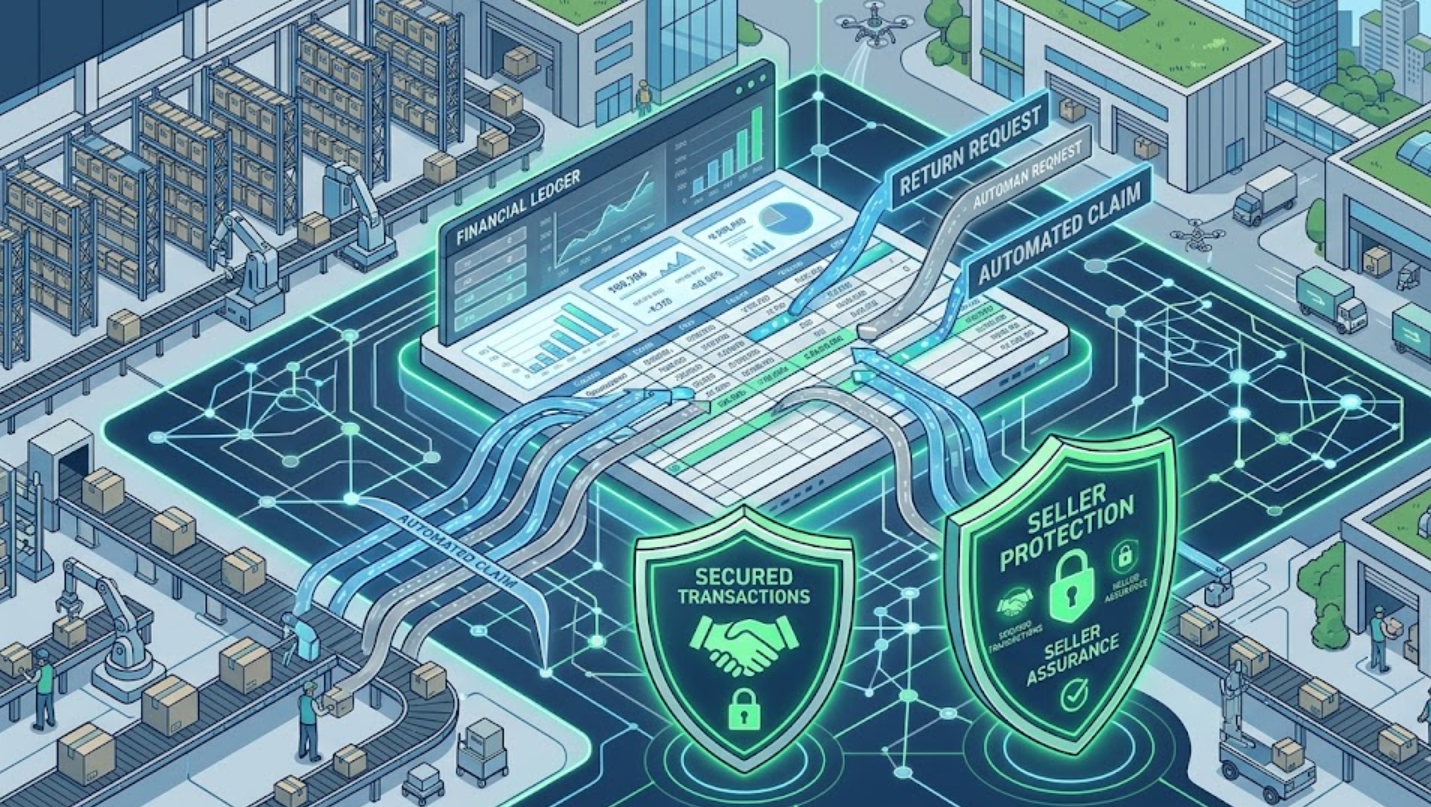
Navigating Amazon's A-to-Z Guarantee: Mitigating Seller-Funded Return Abuse
Amazon's automated A-to-Z Guarantee claims and escalating return abuse present a critical financial challenge for e-commerce sellers, often leading to uninvestigated, seller-funded losses. This trend, exacerbated by strict enforcement of doctrines like the First Sale Rule, necessitates proactive strategies to protect seller profitability. Understanding these dynamics and implementing robust mitigation tactics is essential for sustainable online business operations.
2026-04-29


