

Definition
Particular Average (PA) is a term in cargo and marine insurance defining a partial loss or physical damage suffered by the specific cargo interests of one party, without requiring contribution from other stakeholders in the venture. Unlike General Average, which involves sacrifices made for the common safety of the vessel and all cargo, PA losses are specific to a single shipment or policyholder.
Types of Particular Average Losses
PA losses arise from incidents affecting only the insured goods. These losses may be caused by a variety of events, such as accidents, fire, heavy weather (storms), sinking, or other specified perils. They may also be caused by the negligence or wrongdoing of a third party, such as a carrier or a warehouse operator, provided the policy allows subrogation. To be successfully claimed, the loss event must be clearly enumerated as a covered peril within the policy language.
Expert Advice on Coverage
For adequate protection against particular average losses, policyholders must carefully review their cargo insurance policy, paying close attention to the specific clauses used (e.g., Institute Cargo Clauses). Policies written "Free of Particular Average" (F.P.A.) offer very limited coverage, typically only covering total loss or GA events. Policies offering "With Average" (W.A.) or All Risks (ICC A) clauses provide much broader coverage for partial losses. Consulting a logistics expert is crucial to ensure the policy scope aligns with the inherent risks of the trade route and commodity.
Key Takeaways
• PA is a partial loss borne solely by the insured party.
• It differs fundamentally from General Average (GA), which is a shared sacrifice.
• Losses must be caused by a peril specifically listed in the insurance policy.
• Negligence by third parties (carriers or warehouse operators) often falls under PA claims.
• Policy review is critical to ensure adequate protection against these specific risks.
-

Navigating Amazon's Account Level Reserve (ALR) and Cash Flow Throttling: A Guide for Sellers
Amazon's Account Level Reserve (ALR) and "Delivery Date + 7 days" (DD+7) disbursement policies are severely impacting seller cash flow, making it challenging to pay suppliers and restock inventory. Understanding these mechanisms is crucial for maintaining financial stability and operational efficiency in e-commerce. Strategic logistics and proactive financial planning can help mitigate these significant funding delays.
2026-05-06
-
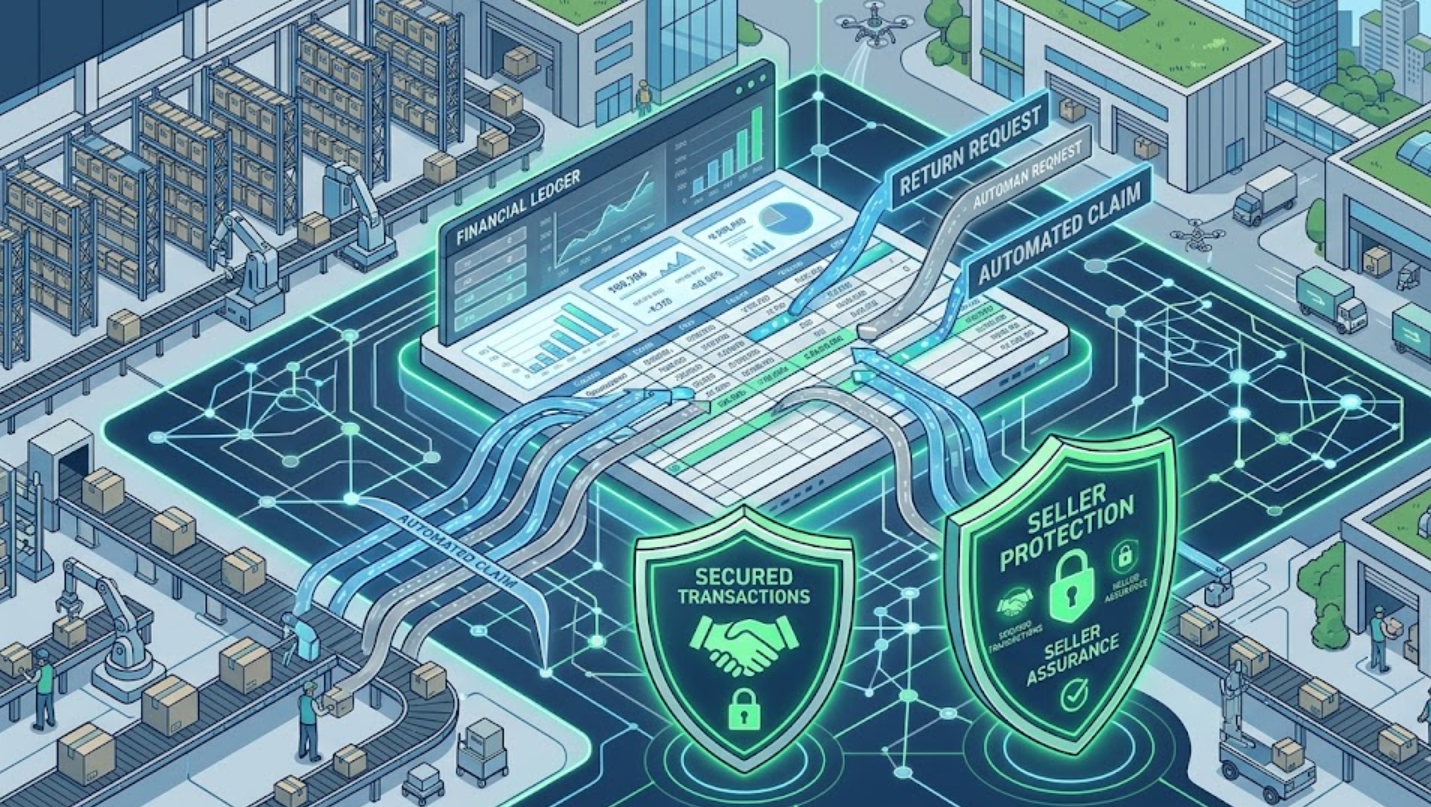
Navigating Amazon's A-to-Z Guarantee: Mitigating Seller-Funded Return Abuse
Amazon's automated A-to-Z Guarantee claims and escalating return abuse present a critical financial challenge for e-commerce sellers, often leading to uninvestigated, seller-funded losses. This trend, exacerbated by strict enforcement of doctrines like the First Sale Rule, necessitates proactive strategies to protect seller profitability. Understanding these dynamics and implementing robust mitigation tactics is essential for sustainable online business operations.
2026-04-29


