

Definition
The Pallet Exchange Fee is a charge incurred by the shipper or consignee when the authorized trucker picks up cargo that was palletized by the carrier (e.g., airline or warehouse) and does not bring an equal number of empty pallets to exchange. This is essentially a compensation fee paid to the carrier for the cost of the pallets retained by the consignee's supply chain.
Core Process and Function
Cargo moving via air freight or LCL (Less than Container Load) is frequently palletized—either at origin or upon arrival at the destination warehouse—to facilitate efficient handling, storage, and movement. When the shipment is ready for final delivery, the trucker arrives to retrieve the goods.
If the goods are sitting on the carrier’s or warehouse’s pallets, standard industry practice dictates that the trucker must provide a one-for-one exchange of empty, standard-sized pallets. If the trucker fails to provide this exchange, the fee is applied.
• Palletization aids in cargo security and stacking.
• The fee is calculated per pallet retained by the trucking company.
• Fees vary widely based on the specific carrier or warehouse operating the facility.
Billing and Invoicing
If a Pallet Exchange Fee is assessed, it will be reflected on the final invoice as a Destination Charge. It is crucial to monitor destination charges closely, as these fees, though individually small, can accumulate quickly on large or multi-pallet shipments.
Expert Advice
To avoid the Pallet Exchange Fee, always coordinate with your trucking partner well in advance of the scheduled pickup time. Confirm that the truck dispatched for the final leg of transport is fully loaded with the necessary number of standard exchange pallets (typically 48"x40" standard dimensions). Including instructions about pallet exchange requirements in the final delivery order documentation is a proactive measure that saves time and money.
Key Takeaways
• The fee is compensation for the carrier retaining ownership of their pallets.
• It applies primarily to air freight and LCL shipments where destination palletization occurred.
• Failure by the trucker to bring replacement pallets triggers this charge.
• The Pallet Exchange Fee is always invoiced as a Destination Charge.
-

Navigating Amazon's Account Level Reserve (ALR) and Cash Flow Throttling: A Guide for Sellers
Amazon's Account Level Reserve (ALR) and "Delivery Date + 7 days" (DD+7) disbursement policies are severely impacting seller cash flow, making it challenging to pay suppliers and restock inventory. Understanding these mechanisms is crucial for maintaining financial stability and operational efficiency in e-commerce. Strategic logistics and proactive financial planning can help mitigate these significant funding delays.
2026-05-06
-
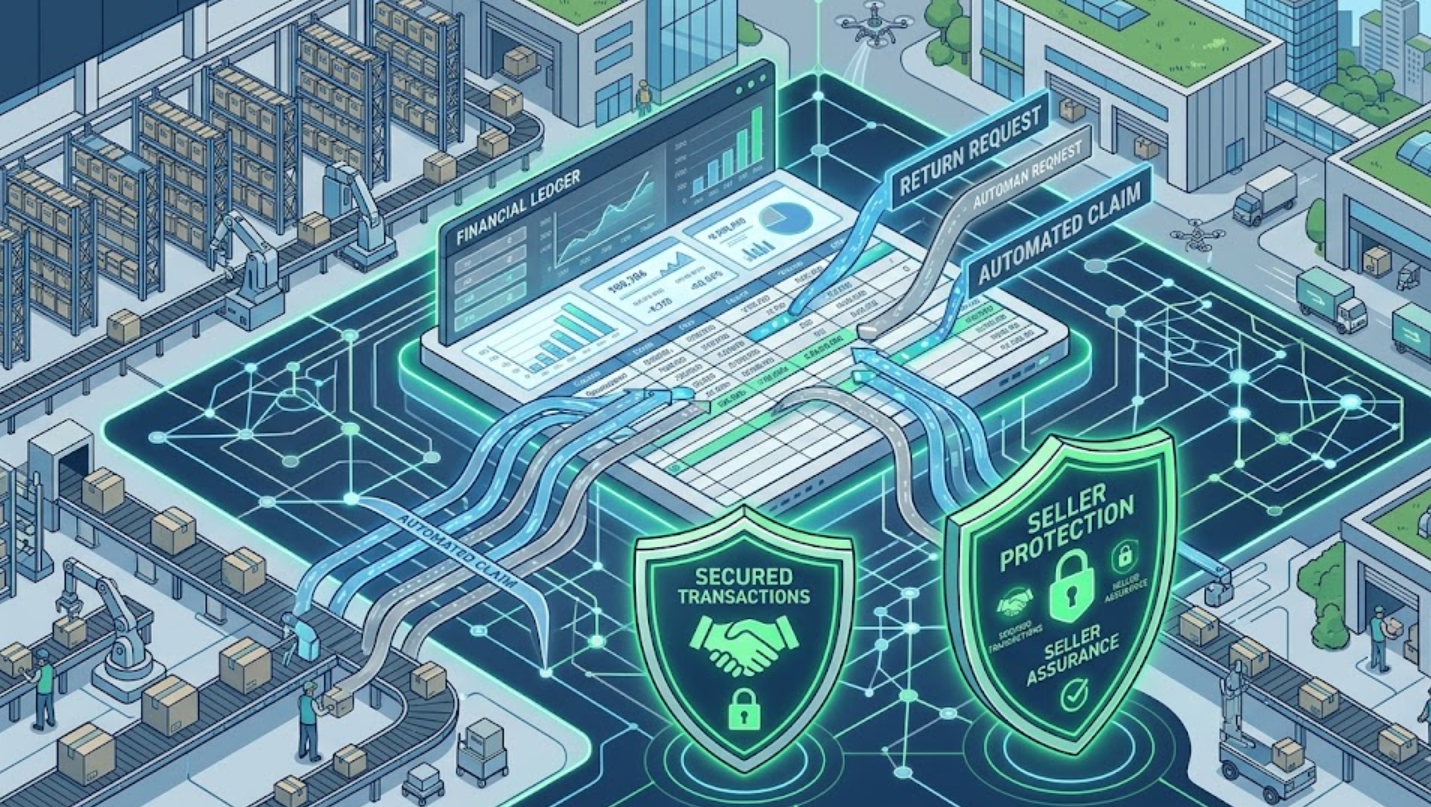
Navigating Amazon's A-to-Z Guarantee: Mitigating Seller-Funded Return Abuse
Amazon's automated A-to-Z Guarantee claims and escalating return abuse present a critical financial challenge for e-commerce sellers, often leading to uninvestigated, seller-funded losses. This trend, exacerbated by strict enforcement of doctrines like the First Sale Rule, necessitates proactive strategies to protect seller profitability. Understanding these dynamics and implementing robust mitigation tactics is essential for sustainable online business operations.
2026-04-29


