

Definition
A Customs Power of Attorney is a binding legal document that authorizes a customs broker to conduct essential customs business, including the clearance of shipments, on behalf of the importer or exporter. This authorization is indispensable; a shipment cannot be cleared through Customs without a signed POA in place.
Core Function
• Grants the customs broker the legal ability to file necessary declarations and interact with customs agencies.
• Expedites the customs clearance process by formalizing the representation.
• Required for imports into the U.S. and the Netherlands under standard agreements.
• Must be reviewed periodically, as some contracts necessitate renewal.
Authorization and Signing Process
The POA must be formally signed by an authorized officer of the importing company. The specific individual with the authority to sign (e.g., CEO, CFO, Legal Counsel) may depend on the company's legal structure (corporation, LLC, etc.). It is crucial to confirm signing authority internally if unsure.
Signing Timeline
The POA is typically signed immediately at the time of client onboarding. The onboarding specialist sends a secure link directly to the authorized company officer for completion.
Expert Advice: Geographical Specifics
While a direct POA may cover imports to the U.S. and the Netherlands, imports into other global destinations generally require the client to sign a separate POA specific to the local customs brokerage partner retained by the logistics consultant.
Expert Advice: EU U.S. Trade
For EU companies importing into the U.S., a secondary witness signature is required on the POA. This witness must also be a confirmed officer of the company.
-

Navigating Amazon's Account Level Reserve (ALR) and Cash Flow Throttling: A Guide for Sellers
Amazon's Account Level Reserve (ALR) and "Delivery Date + 7 days" (DD+7) disbursement policies are severely impacting seller cash flow, making it challenging to pay suppliers and restock inventory. Understanding these mechanisms is crucial for maintaining financial stability and operational efficiency in e-commerce. Strategic logistics and proactive financial planning can help mitigate these significant funding delays.
2026-05-06
-
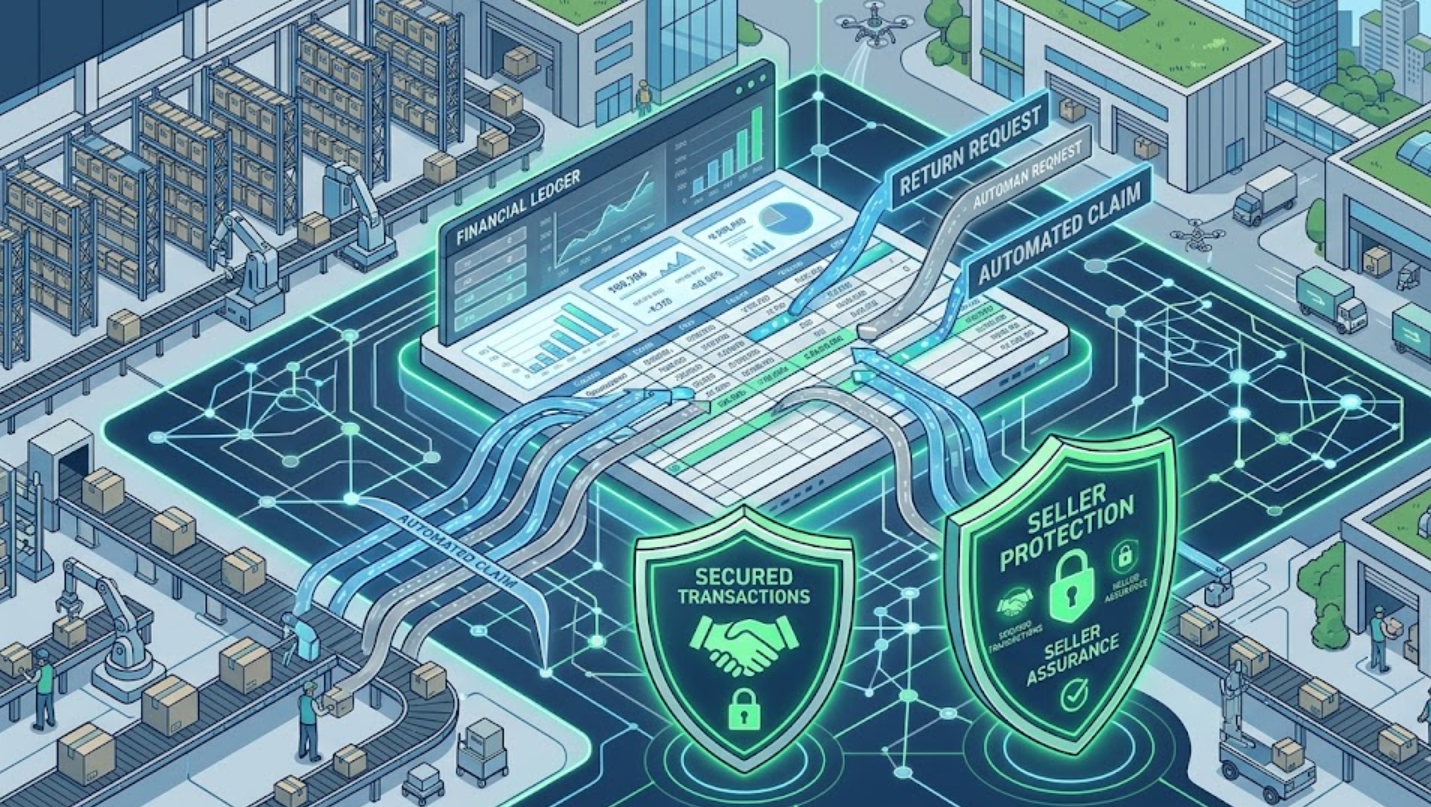
Navigating Amazon's A-to-Z Guarantee: Mitigating Seller-Funded Return Abuse
Amazon's automated A-to-Z Guarantee claims and escalating return abuse present a critical financial challenge for e-commerce sellers, often leading to uninvestigated, seller-funded losses. This trend, exacerbated by strict enforcement of doctrines like the First Sale Rule, necessitates proactive strategies to protect seller profitability. Understanding these dynamics and implementing robust mitigation tactics is essential for sustainable online business operations.
2026-04-29


