

Definition
A Partner Government Agency (PGA) is a U.S. government entity that works directly with Customs and Border Protection (CBP) to regulate and monitor specific commodities entering the country. While CBP handles the collection of duties and enforcement of general trade laws, PGAs ensure that imported goods meet specialized domestic health, safety, and environmental standards.
Core Functions and Scope
PGAs regulate a wide range of products, requiring specialized oversight based on the nature of the commodity.
Key examples of PGAs include:
• Animal and Plant Health Inspection Service (APHIS)
• Federal Drug Administration (FDA)
• Environmental Protection Agency (EPA)
• Bureau of Alcohol, Tobacco, and Firearms (ATF)
Products regulated by these agencies almost always require pre-approval, permits, specialized certification, or additional documentation beyond standard customs paperwork. Many PGAs provide specific import guides outlining their requirements.
Compliance and Consequences
It is the sole responsibility of the importer to identify which PGA (or multiple PGAs) regulates their product and to ensure all necessary documentation is acquired before shipment arrival. CBP relies on the electronic determination made by the relevant PGA.
A crucial point: If a PGA refuses an import shipment due to non-compliance, CBP will consequently not allow the goods to enter U.S. commerce. This results in delays, potential storage fees, re-exportation, or destruction of the cargo.
Logicmile Expert Advice
Do not assume your shipment is compliant simply because the commercial invoice and packing list are correct. Conduct thorough due diligence early in the sourcing process to determine PGA applicability. Work with a trusted logistics consultant to pre-file documentation and verify necessary permits, mitigating the severe financial and logistical risk associated with a PGA denial.
-

Navigating Amazon's Account Level Reserve (ALR) and Cash Flow Throttling: A Guide for Sellers
Amazon's Account Level Reserve (ALR) and "Delivery Date + 7 days" (DD+7) disbursement policies are severely impacting seller cash flow, making it challenging to pay suppliers and restock inventory. Understanding these mechanisms is crucial for maintaining financial stability and operational efficiency in e-commerce. Strategic logistics and proactive financial planning can help mitigate these significant funding delays.
2026-05-06
-
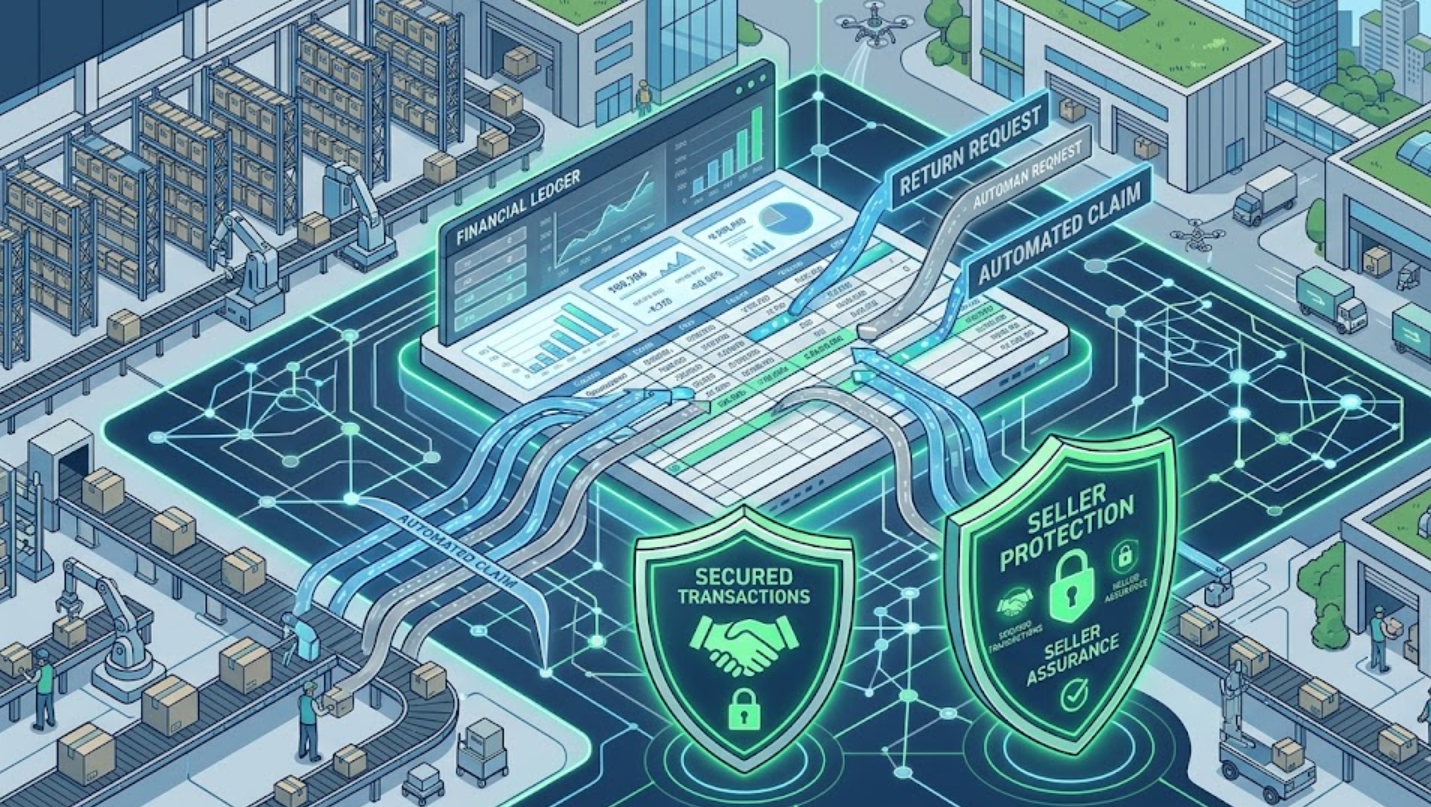
Navigating Amazon's A-to-Z Guarantee: Mitigating Seller-Funded Return Abuse
Amazon's automated A-to-Z Guarantee claims and escalating return abuse present a critical financial challenge for e-commerce sellers, often leading to uninvestigated, seller-funded losses. This trend, exacerbated by strict enforcement of doctrines like the First Sale Rule, necessitates proactive strategies to protect seller profitability. Understanding these dynamics and implementing robust mitigation tactics is essential for sustainable online business operations.
2026-04-29


