

Definition
Origin Charges represent the collective fees and costs associated with services provided to a shipment at the point of departure (seaport or airport) up until the moment it is loaded for international transit. These charges are essential for preparing the cargo for export, ensuring regulatory compliance, and issuing necessary shipping documents.
Core Components and Function
The specific charges levied depend heavily on the mode of transport and the origin country's regulations. The services paid for occur before the main carriage begins and may include:
• AMS fee (Automated Manifest System fee, mandatory for US-bound cargo)
• CFS fee (Container Freight Station fee, for Less than Container Load LCL shipments)
• Export Customs clearance (Mandatory governmental filing)
• Origin document fee (Covers issuing and sending the Bill of Lading or Air Waybill)
• Handling and security surcharges
Determining Responsibility (Incoterms)
The party responsible for paying Origin Charges is explicitly determined by the Incoterms rule governing the transaction. The importer and their supplier must agree who handles which costs before the shipment commences.
• Under terms like EXW (Ex Works), the importer (buyer) assumes responsibility for nearly all costs from the supplier’s door, including the full suite of Origin Charges.
• Under terms like FOB (Free On Board) or CIF (Cost, Insurance, and Freight), the supplier (seller) is typically responsible for Origin Charges up to the point of loading.
Expert Logistics Advice
To avoid unexpected costs and shipment delays, Logicmile advises that the importer and supplier meticulously negotiate and document cost allocation based on the chosen Incoterm. Failure to clarify responsibility for origin services can result in unexpected invoices or hold-ups in customs processing. Always confirm the final breakdown of Origin Charges with your freight forwarder or logistics consultant prior to booking.
Key Takeaways
• Origin Charges cover essential pre-departure services (documentation, handling, compliance).
• Responsibility hinges entirely on the negotiated Incoterms.
• These charges directly influence the final landed cost of goods.
• Pre-shipment agreement on cost splits is mandatory for smooth freight operations.
-

Navigating Amazon's Account Level Reserve (ALR) and Cash Flow Throttling: A Guide for Sellers
Amazon's Account Level Reserve (ALR) and "Delivery Date + 7 days" (DD+7) disbursement policies are severely impacting seller cash flow, making it challenging to pay suppliers and restock inventory. Understanding these mechanisms is crucial for maintaining financial stability and operational efficiency in e-commerce. Strategic logistics and proactive financial planning can help mitigate these significant funding delays.
2026-05-06
-
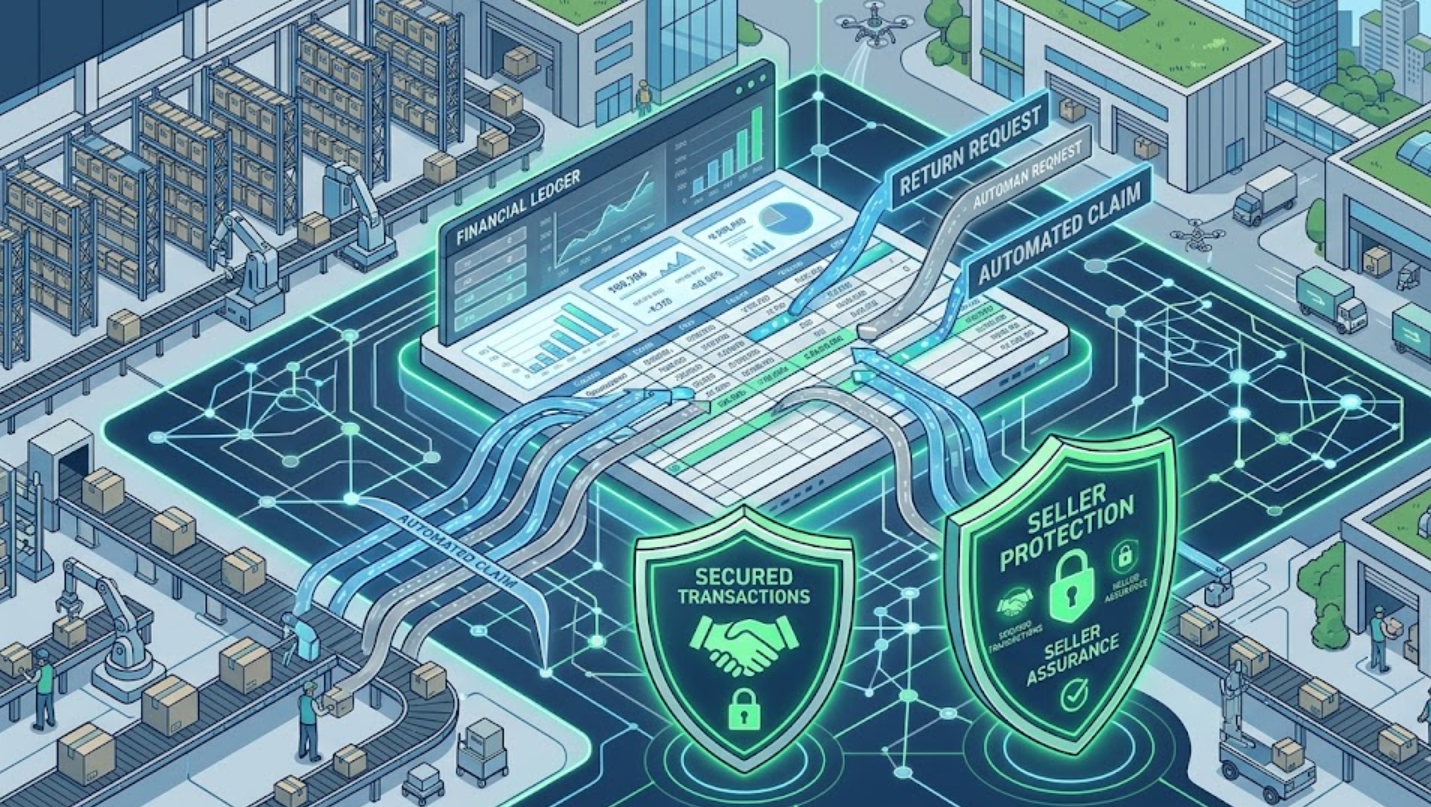
Navigating Amazon's A-to-Z Guarantee: Mitigating Seller-Funded Return Abuse
Amazon's automated A-to-Z Guarantee claims and escalating return abuse present a critical financial challenge for e-commerce sellers, often leading to uninvestigated, seller-funded losses. This trend, exacerbated by strict enforcement of doctrines like the First Sale Rule, necessitates proactive strategies to protect seller profitability. Understanding these dynamics and implementing robust mitigation tactics is essential for sustainable online business operations.
2026-04-29


