

Definition
The Notify Party is the person or entity specifically named on shipping documentation (Bill of Lading or Air Waybill) who must be informed by the ocean or air carrier immediately upon the vessel's or aircraft's arrival at the port of destination.
Function and Role
The role of the Notify Party is purely informational, yet essential for efficient logistics. While they are usually not the legal consignee (the owner or purchaser of the goods), they act as the initial point of contact for cargo availability.
In most complex shipping scenarios, the importer lists a customs broker, freight forwarder, or a logistics intermediary as the Notify Party. This strategic designation allows the appointed intermediary to start the customs entry process and coordinate delivery logistics instantly, often before the final consignee has reviewed the arrival notice.
Core Process
The carrier transmits the required arrival information, including vessel details, estimated time of arrival (ETA), and cargo specifics, directly to the designated Notify Party. This notification triggers a chain of events crucial for timely receipt of goods:
• Receiving and verifying arrival documents.
• Preparing or submitting customs entry filings.
• Coordinating the transfer of goods from the carrier's possession (e.g., container release).
• Minimizing dwell time at the port, thereby reducing costly storage or demurrage fees.
Expert Advice for Importers
Accuracy is paramount. Ensure the contact information for the Notify Party is flawless on the Bill of Lading. Any error can lead to a communication failure, resulting in missed deadlines and significant delays in cargo release.
If the Notify Party is the same entity as the Consignee, the field is often left blank, or noted as "Same as Consignee." However, for optimal speed and control in high-volume trade, Logicmile recommends designating a specialized logistics partner as the Notify Party. This separation of duties ensures proactive clearance management.
Key Takeaways
• The Notify Party is designated on the Bill of Lading (B/L) or Air Waybill (AWB).
• Their notification triggers the official customs and delivery process.
• Often, this party is a third-party intermediary (broker or forwarder) to speed up clearance.
• Accurate contact details are non-negotiable for smooth supply chain flow.
-

Navigating Amazon's Account Level Reserve (ALR) and Cash Flow Throttling: A Guide for Sellers
Amazon's Account Level Reserve (ALR) and "Delivery Date + 7 days" (DD+7) disbursement policies are severely impacting seller cash flow, making it challenging to pay suppliers and restock inventory. Understanding these mechanisms is crucial for maintaining financial stability and operational efficiency in e-commerce. Strategic logistics and proactive financial planning can help mitigate these significant funding delays.
2026-05-06
-
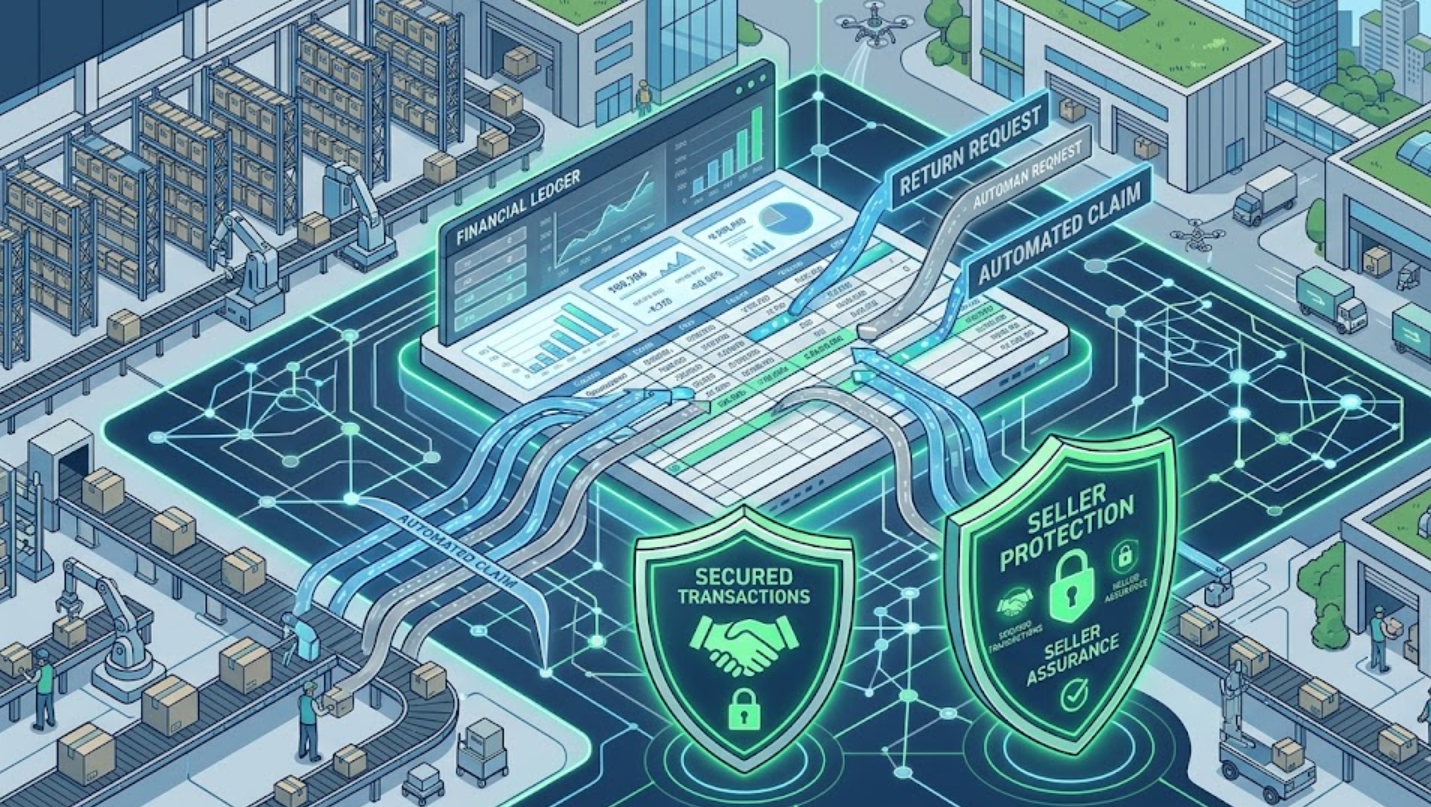
Navigating Amazon's A-to-Z Guarantee: Mitigating Seller-Funded Return Abuse
Amazon's automated A-to-Z Guarantee claims and escalating return abuse present a critical financial challenge for e-commerce sellers, often leading to uninvestigated, seller-funded losses. This trend, exacerbated by strict enforcement of doctrines like the First Sale Rule, necessitates proactive strategies to protect seller profitability. Understanding these dynamics and implementing robust mitigation tactics is essential for sustainable online business operations.
2026-04-29


