

Definition
A Non-Vessel Operating Common Carrier (NVOCC) is an ocean carrier that provides transportation services without owning or operating the vessels used for transport. The NVOCC acts as a principal in the movement of goods, assuming legal responsibility for the cargo upon issuance of its own transport document, known as the House Bill of Lading.
Core Function
The primary function of an NVOCC is consolidation and bulk purchasing. NVOCCs secure large volumes of container space from Vessel Operating Common Carriers (VOCCs) at favorable, contracted rates. This space is then resold to multiple smaller shippers who may not require full container loads (FCL) or who lack the volume to negotiate competitive direct carrier rates.
This process allows small and medium-sized enterprises (SMEs) to access competitive ocean freight rates that would typically only be available to the largest volume shippers. While NVOCCs do not operate ships, many maintain their own fleet of containers (shipper-owned containers) to enhance flexibility and control over equipment supply. In specific regulatory environments, an NVOCC may also legally function as a freight forwarder, providing door-to-door supply chain management services beyond just the ocean leg.
Expert Advice
When selecting a logistics partner, understanding the distinction between an NVOCC and a VOCC is vital. An NVOCC offers greater flexibility, streamlined documentation (House B/L), and often superior customer service tailored to the SME market. For shippers dealing with complex international shipments or needing LCL consolidation services, partnering with a reliable NVOCC typically yields better overall value and operational simplicity than booking directly with a VOCC. Always confirm the NVOCC's liability insurance and regulatory standing in the countries of operation.
Key Takeaways
• NVOCCs issue their own House Bill of Lading.
• They lease space from vessel owners (VOCCs).
• They specialize in consolidating cargo and providing competitive rates to smaller shippers.
• They are carriers to the shipper and shippers to the vessel operator.
-

Navigating Amazon's Account Level Reserve (ALR) and Cash Flow Throttling: A Guide for Sellers
Amazon's Account Level Reserve (ALR) and "Delivery Date + 7 days" (DD+7) disbursement policies are severely impacting seller cash flow, making it challenging to pay suppliers and restock inventory. Understanding these mechanisms is crucial for maintaining financial stability and operational efficiency in e-commerce. Strategic logistics and proactive financial planning can help mitigate these significant funding delays.
2026-05-06
-
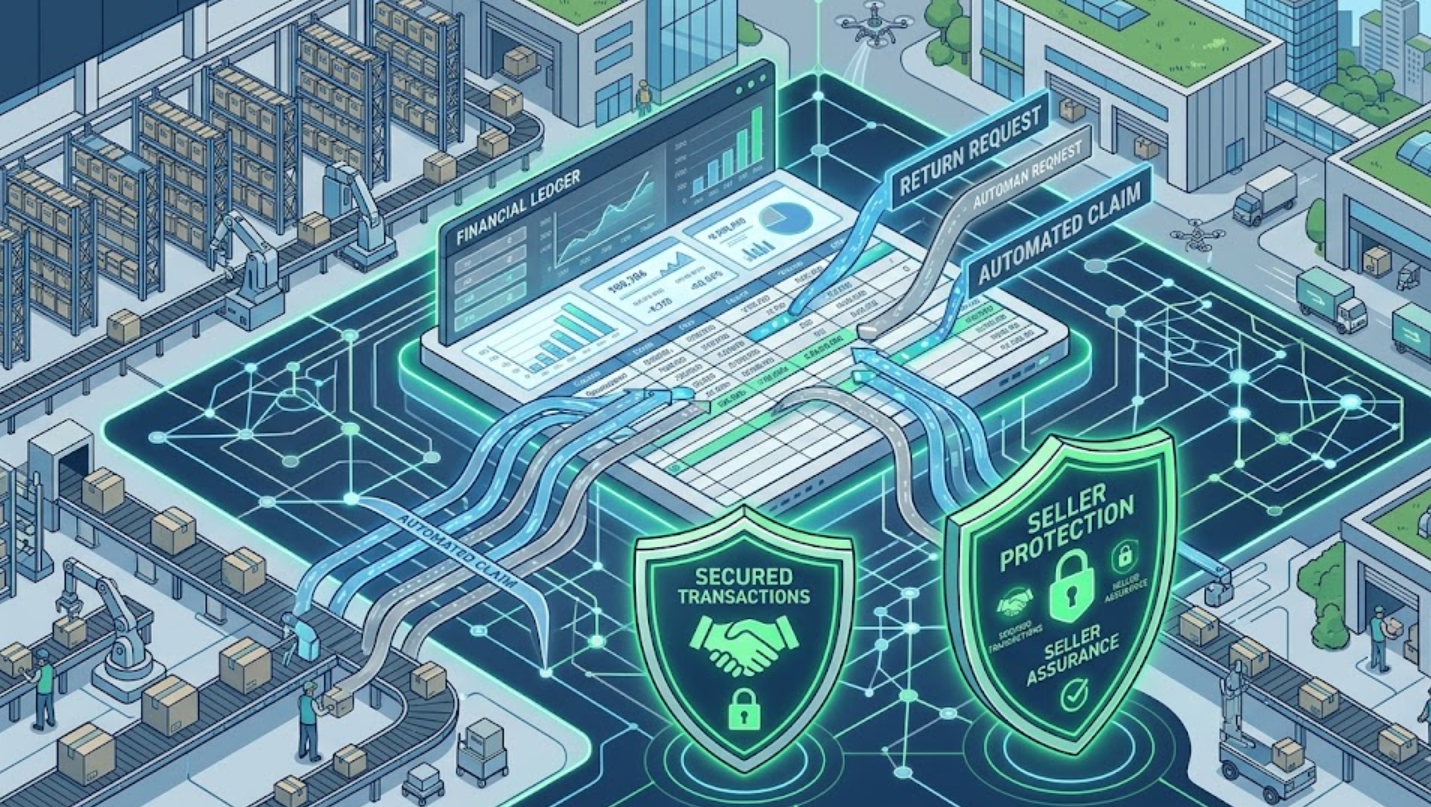
Navigating Amazon's A-to-Z Guarantee: Mitigating Seller-Funded Return Abuse
Amazon's automated A-to-Z Guarantee claims and escalating return abuse present a critical financial challenge for e-commerce sellers, often leading to uninvestigated, seller-funded losses. This trend, exacerbated by strict enforcement of doctrines like the First Sale Rule, necessitates proactive strategies to protect seller profitability. Understanding these dynamics and implementing robust mitigation tactics is essential for sustainable online business operations.
2026-04-29


