

Definition
A Non-Reimbursement Statement is a formal declaration submitted to U.S. Customs and Border Protection (CBP) stating that the supplier or manufacturer of goods subject to Antidumping Duty (ADD) or Countervailing Duty (CVD) has not reimbursed or offset the duty costs imposed on the importer. This document is mandatory under trade enforcement regulations designed to protect US domestic industries from unfair pricing practices.
Core Function and Compliance
The primary function of the NRS is to ensure the integrity of the AD/CVD system. When heavy duties are placed on foreign goods, the intended economic impact is to level the competitive playing field for the harmed domestic industry. If the foreign producer reimburses the importer for these duties, the intended corrective effect is nullified, leading to circumvention of trade laws.
• Compliance is essential for the Importer of Record, who bears the sole liability if reimbursement is detected.
• If customs finds that these duties are offset in any way by a supplier or manufacturer, the Importer can be subject to heavy fines and possible additional legal actions against them.
Statement Validity and Process
Non-reimbursement statements can be managed in two primary ways:
• Per Entry: A specific, dated statement accompanying a single shipment entry.
• Blanket Instruction: A single statement covering multiple entries of the specific product over a period. Blanket instructions are valid for a maximum of one year from the date of signature and must be renewed annually to maintain compliance.
Expert Advice and Risk Mitigation
Importers must exercise extreme diligence in verifying that their contractual agreements with suppliers explicitly prohibit the reimbursement or offsetting of AD/CVD duties. The financial and legal risks are substantial.
• Maintain detailed records of all Non-Reimbursement Statements, ensuring timely renewal of blanket instructions.
• Conduct regular internal audits of supplier invoicing and pricing records to verify that duty costs are not being artificially reduced or credited against the product price.
• If CBP discovers duty offsetting, the importer faces severe penalties, retroactive duty assessments, and potential inclusion on priority enforcement lists.
-

Navigating Amazon's Account Level Reserve (ALR) and Cash Flow Throttling: A Guide for Sellers
Amazon's Account Level Reserve (ALR) and "Delivery Date + 7 days" (DD+7) disbursement policies are severely impacting seller cash flow, making it challenging to pay suppliers and restock inventory. Understanding these mechanisms is crucial for maintaining financial stability and operational efficiency in e-commerce. Strategic logistics and proactive financial planning can help mitigate these significant funding delays.
2026-05-06
-
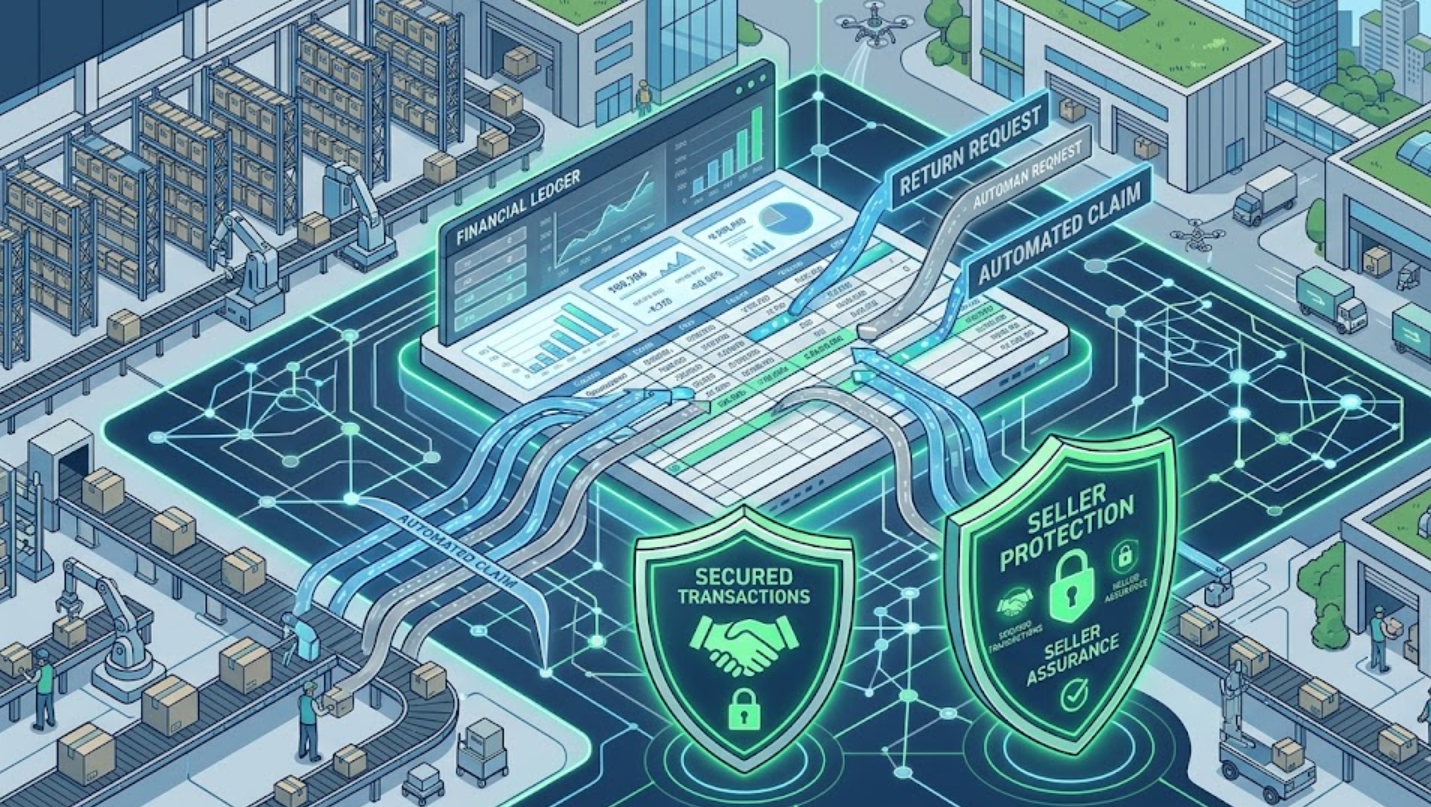
Navigating Amazon's A-to-Z Guarantee: Mitigating Seller-Funded Return Abuse
Amazon's automated A-to-Z Guarantee claims and escalating return abuse present a critical financial challenge for e-commerce sellers, often leading to uninvestigated, seller-funded losses. This trend, exacerbated by strict enforcement of doctrines like the First Sale Rule, necessitates proactive strategies to protect seller profitability. Understanding these dynamics and implementing robust mitigation tactics is essential for sustainable online business operations.
2026-04-29


