

Definition
De Nederlandse Voedsel- en Warenautoriteit (NVWA) translates to The Netherlands Food and Consumer Product Safety Authority. It is a vital government agency operating under the Ministry of Economic Affairs and Climate Policy, ensuring safety across various sectors impacting public health and environmental integrity.
Core Function and Import Compliance
The primary function of the NVWA is regulatory enforcement. For logistics and trade, this means the NVWA is empowered to conduct mandatory inspections, testing, and documentation checks on certain categories of imported goods at the point of entry (e.g., ports and airports). This process ensures that products comply with EU standards (including strict rules on origin, contaminants, and labeling) before they can enter free circulation within the European Union.
Goods typically subject to strict NVWA control include fresh produce, meat and dairy, certain animal by-products, and consumer products identified as high-risk. Non-compliance results in severe penalties, including seizure, destruction, or mandatory re-exportation of the cargo.
Expert Advice for Importers
Proactive compliance is non-negotiable when dealing with NVWA requirements. Logicmile Logistics Consulting emphasizes that full traceability and certified documentation must be prepared well in advance of the shipment's arrival in the Netherlands. Any discrepancies in phytosanitary certificates, health marks, or ingredients lists will trigger immediate delays and potential regulatory action.
Key focus areas for logistics planning include:
• Pre-registration of shipments requiring specific health certificates via the relevant EU systems (e.g., TRACES).
• Ensuring all labeling adheres to strict Dutch and EU consumer safety guidelines.
• Maintaining temperature-controlled logistics chains for perishable goods to mitigate spoilage risk prior to inspection.
Key Takeaways
• The NVWA is the Dutch regulatory gatekeeper for food and consumer product safety.
• NVWA inspections are mandatory for high-risk imports entering the EU via the Netherlands.
• Failure to comply with NVWA regulations leads to severe logistics disruptions and financial penalties.
-

Navigating Amazon's Account Level Reserve (ALR) and Cash Flow Throttling: A Guide for Sellers
Amazon's Account Level Reserve (ALR) and "Delivery Date + 7 days" (DD+7) disbursement policies are severely impacting seller cash flow, making it challenging to pay suppliers and restock inventory. Understanding these mechanisms is crucial for maintaining financial stability and operational efficiency in e-commerce. Strategic logistics and proactive financial planning can help mitigate these significant funding delays.
2026-05-06
-
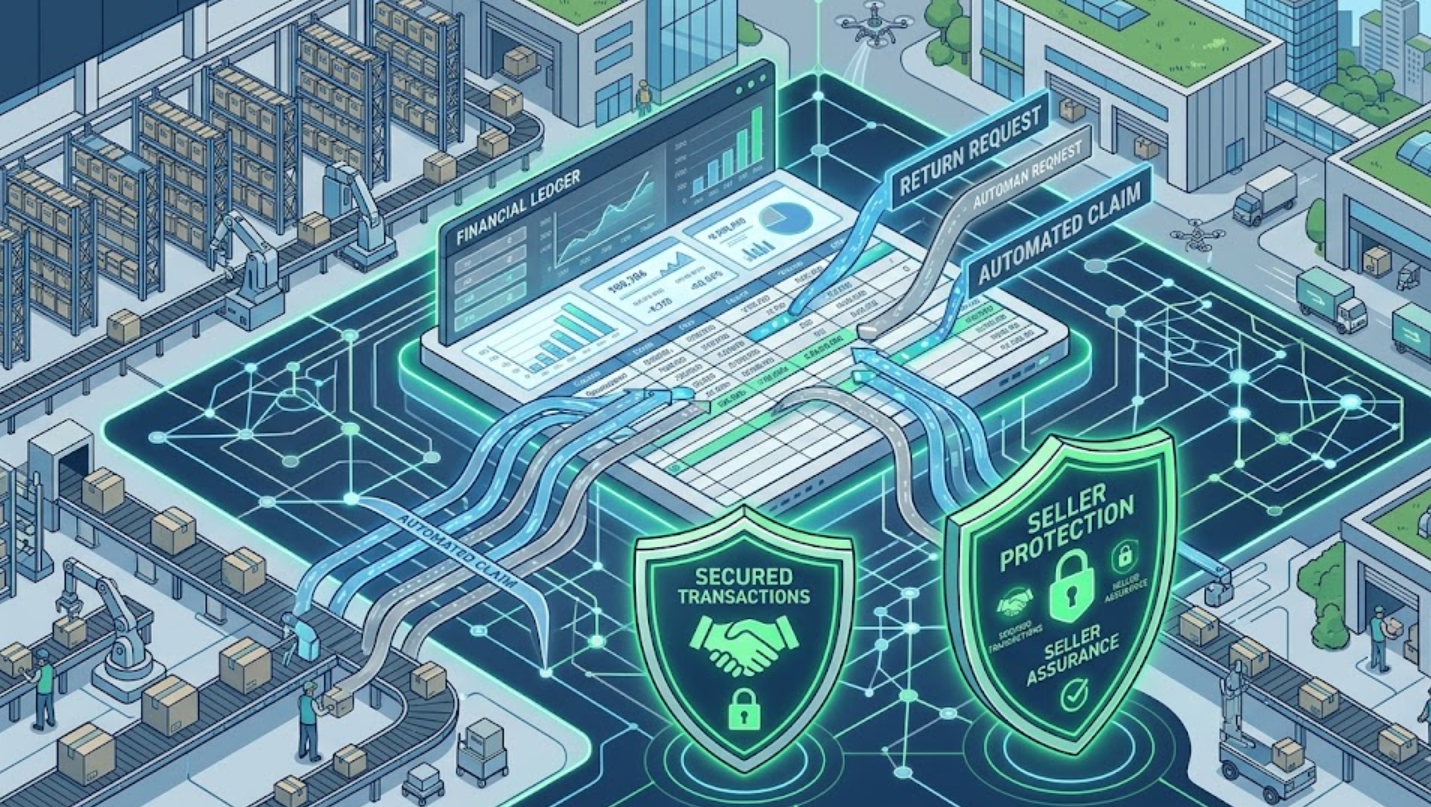
Navigating Amazon's A-to-Z Guarantee: Mitigating Seller-Funded Return Abuse
Amazon's automated A-to-Z Guarantee claims and escalating return abuse present a critical financial challenge for e-commerce sellers, often leading to uninvestigated, seller-funded losses. This trend, exacerbated by strict enforcement of doctrines like the First Sale Rule, necessitates proactive strategies to protect seller profitability. Understanding these dynamics and implementing robust mitigation tactics is essential for sustainable online business operations.
2026-04-29


