

Definition
The National Export System (NES) is the UK's mandated computer-based platform designed for the electronic submission of customs export declarations. Its implementation replaced previous paper-based declaration methods, significantly speeding up the customs clearance process for goods destined outside the domestic customs territory. NES operates directly within the Customs Handling of Import and Export Freight (CHIEF) system.
Core Function
The primary function of NES is to facilitate the compliant movement of export goods. Businesses are legally required to use NES to register details of their exports, ensuring HMRC is fully informed regarding the type, quantity, origin, and destination of the freight.
• Mandatory Submission: Use of the NES is mandatory for all businesses making customs export declarations.
• Link to CHIEF: NES declarations are processed and validated through the CHIEF system, providing real-time data exchange.
• Documentation Management: The system handles various necessary documents, including C88 (SAD) forms and safety and security declarations (ENS).
Expert Advice
Logistics consultants advise that effective use of NES requires a deep understanding of commodity codes, valuation methodologies, and preferred export procedures (e.g., simplified declarations). Errors in NES submissions can lead to customs delays, penalties, or physical holds on cargo. Ensure internal training is robust and current, particularly regarding the transition to or interface with the CDS (Customs Declaration Service), which is gradually replacing CHIEF functionality.
Key Takeaways
• NES is the mandatory electronic portal for UK export declarations.
• Compliance ensures timely customs clearance.
• The system operates within the CHIEF framework.
• Accuracy in declaration data (classification, value) is paramount to avoid delays.
-

Navigating Amazon's Account Level Reserve (ALR) and Cash Flow Throttling: A Guide for Sellers
Amazon's Account Level Reserve (ALR) and "Delivery Date + 7 days" (DD+7) disbursement policies are severely impacting seller cash flow, making it challenging to pay suppliers and restock inventory. Understanding these mechanisms is crucial for maintaining financial stability and operational efficiency in e-commerce. Strategic logistics and proactive financial planning can help mitigate these significant funding delays.
2026-05-06
-
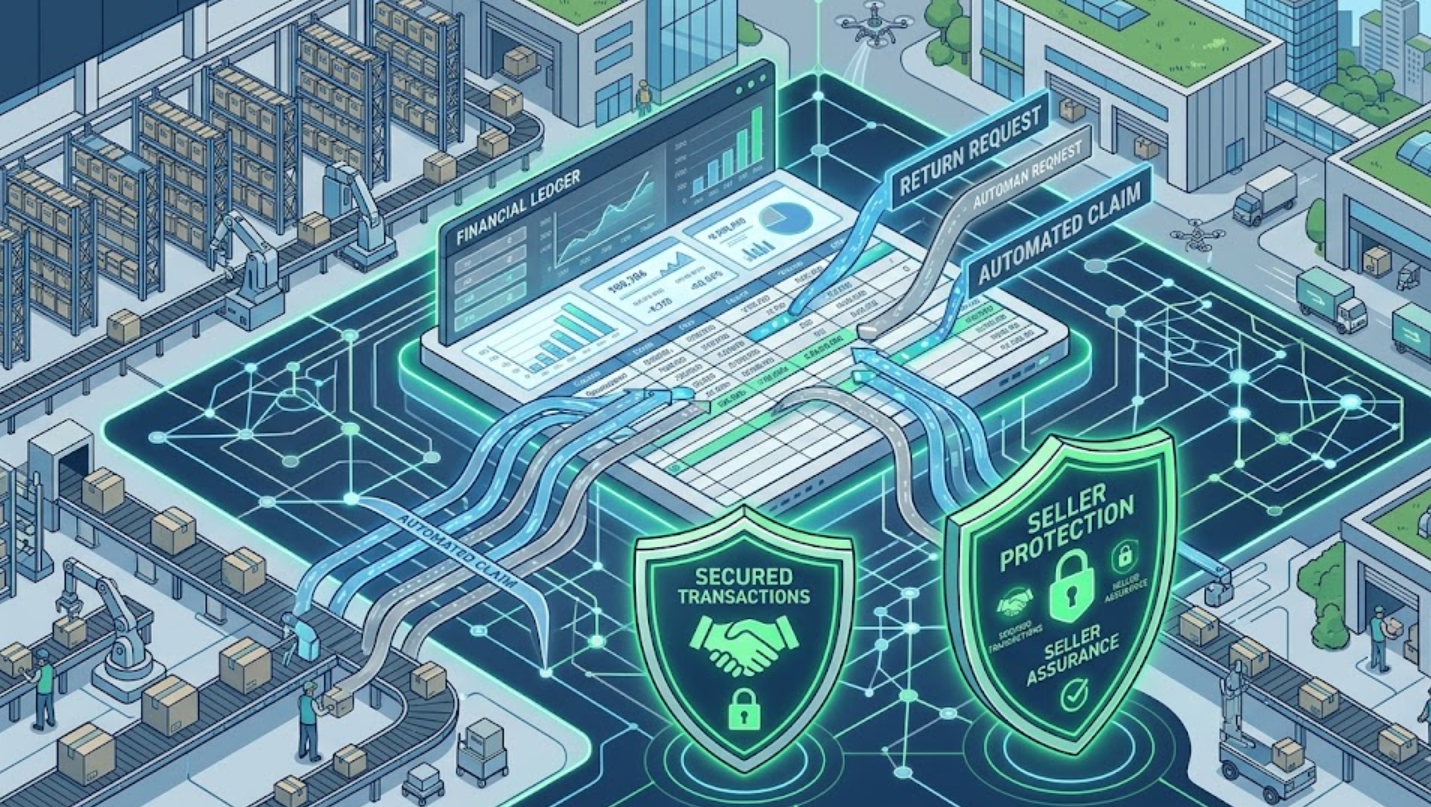
Navigating Amazon's A-to-Z Guarantee: Mitigating Seller-Funded Return Abuse
Amazon's automated A-to-Z Guarantee claims and escalating return abuse present a critical financial challenge for e-commerce sellers, often leading to uninvestigated, seller-funded losses. This trend, exacerbated by strict enforcement of doctrines like the First Sale Rule, necessitates proactive strategies to protect seller profitability. Understanding these dynamics and implementing robust mitigation tactics is essential for sustainable online business operations.
2026-04-29


