

Definition
Loading & Unloading Coverage is a specialized provision, often integrated into a broader marine or cargo insurance policy, designed to protect the owner of the goods (the shipper) from losses incurred when cargo is physically damaged during the process of being loaded onto, or unloaded from, a conveyance (truck, railcar, ship, aircraft) or container.
This coverage addresses the high-risk window between the cargo leaving the sender’s secure location and being placed safely on the transport vessel, and similarly, the reverse process upon final delivery.
Core Function
The primary function of this coverage is risk mitigation during manual and mechanical handling operations. Because many logistics accidents occur due to improper lifting, rough handling, or poor staging at terminals, this insurance isolates and covers these specific risks that standard "in-transit" coverage might not fully address.
Key areas typically covered include:
• Damage resulting from rough or improper handling techniques.
• Losses caused by equipment failure (e.g., forklift malfunction, crane accident).
• Damage due to dropping, crushing, or inadequate securing during transfer.
• Costs associated with repairing or replacing the damaged goods.
• Related ancillary expenses incurred to mitigate further loss (e.g., immediate re-packaging or inspection fees).
Expert Advice
Logicmile Logistics Consulting strongly advises shippers not to overlook the loading and unloading phase when structuring their logistics insurance program. Even when using professional carriers, carrier liability limits are often insufficient, and damage caused by terminal operators or third-party handlers can lead to complex recovery claims without specific coverage in place.
When reviewing a policy, ensure clarity on:
• Policy limits specific to the loading/unloading event, as these may differ from the total transit limit.
• Deductibles applicable to handling damage.
• Whether the policy covers damage caused by the shipper’s own personnel or only third-party contractors/carriers.
Key Takeaway
Loading & Unloading Coverage is essential for ensuring supply chain resilience. It transforms potential financial setbacks caused by handling mishaps into manageable insured losses, safeguarding profitability and minimizing unnecessary delivery delays.
-

Navigating Amazon's Account Level Reserve (ALR) and Cash Flow Throttling: A Guide for Sellers
Amazon's Account Level Reserve (ALR) and "Delivery Date + 7 days" (DD+7) disbursement policies are severely impacting seller cash flow, making it challenging to pay suppliers and restock inventory. Understanding these mechanisms is crucial for maintaining financial stability and operational efficiency in e-commerce. Strategic logistics and proactive financial planning can help mitigate these significant funding delays.
2026-05-06
-
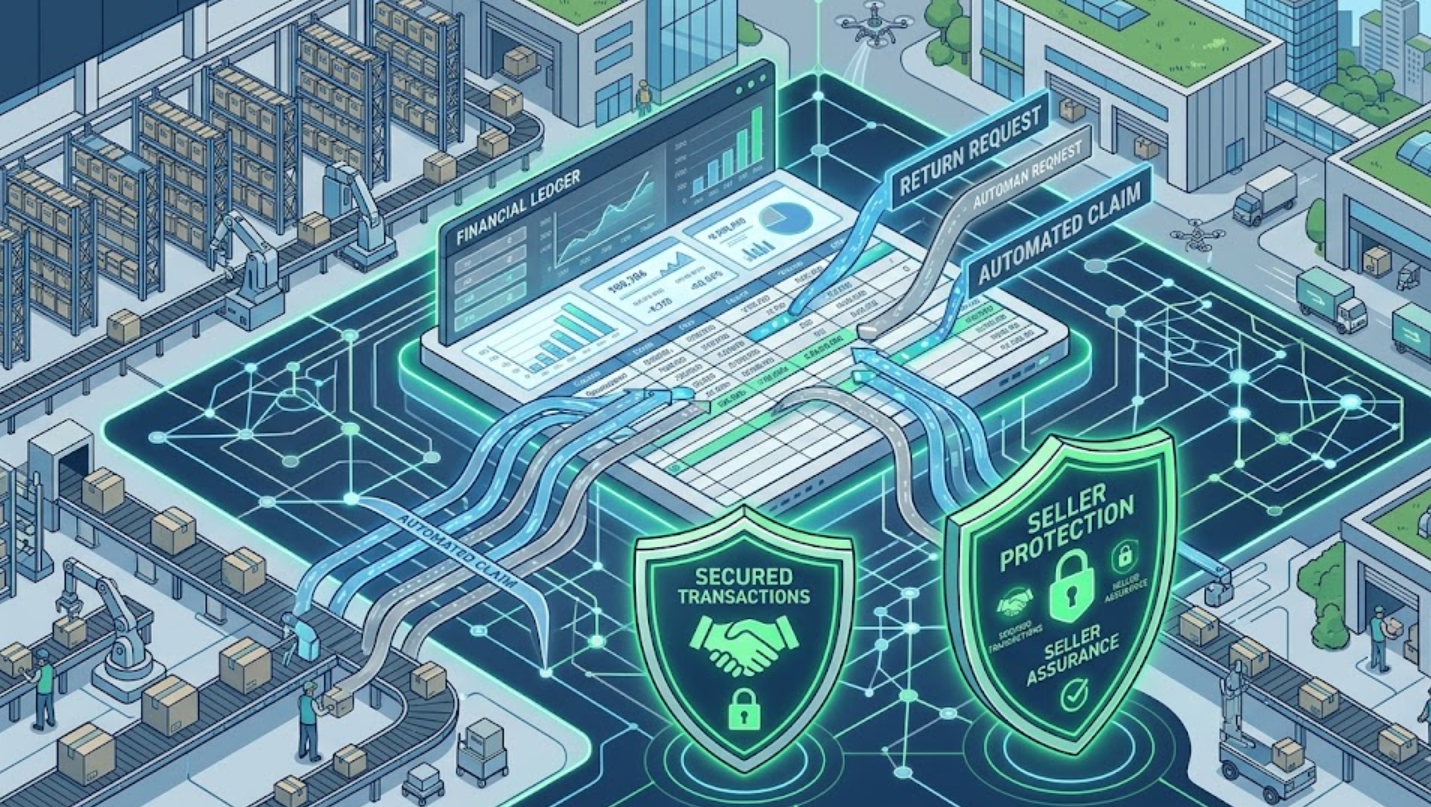
Navigating Amazon's A-to-Z Guarantee: Mitigating Seller-Funded Return Abuse
Amazon's automated A-to-Z Guarantee claims and escalating return abuse present a critical financial challenge for e-commerce sellers, often leading to uninvestigated, seller-funded losses. This trend, exacerbated by strict enforcement of doctrines like the First Sale Rule, necessitates proactive strategies to protect seller profitability. Understanding these dynamics and implementing robust mitigation tactics is essential for sustainable online business operations.
2026-04-29


