

Definition
A Live Unload describes a trucking delivery scenario where the warehouse receiving the goods unloads the container or truck while the drayage driver waits on site. Upon completion, the driver immediately retrieves the empty container and returns it to the designated container yard at the port.
Core Process and Timing
The efficiency of a Live Unload relies heavily on rapid cargo handling. Most trucking companies allocate a standard amount of "free time"—typically 1 to 2 hours—during which the driver will wait at no additional cost while the container is being emptied.
If the unloading process exceeds this free time allowance, the trucker will begin charging for the additional delay. This cost is calculated on a prorated hourly rate and appears on your Flexport quote or invoice as a trucking wait fee (sometimes referred to as detention).
Expert Advice for Efficiency
A Live Unload should only be arranged when you are confident the cargo can be fully removed from the container quickly.
Key factors that make a Live Unload cost- and time-efficient:
• The cargo must be palletized, not floor-loaded.
• The receiving warehouse must have the appropriate equipment (e.g., forklifts) and adequate staff ready to execute the unloading immediately upon arrival.
• If the unloading is projected to take longer than two hours, a Drop delivery (where the container is left at the warehouse for later retrieval) should be considered to prevent excessive detention charges.
Key Takeaway
Live Unloads are ideal for speed and direct return of equipment, but require strict time management. Failure to unload within the allotted free time significantly increases overall transportation costs.
-

Navigating Amazon's Account Level Reserve (ALR) and Cash Flow Throttling: A Guide for Sellers
Amazon's Account Level Reserve (ALR) and "Delivery Date + 7 days" (DD+7) disbursement policies are severely impacting seller cash flow, making it challenging to pay suppliers and restock inventory. Understanding these mechanisms is crucial for maintaining financial stability and operational efficiency in e-commerce. Strategic logistics and proactive financial planning can help mitigate these significant funding delays.
2026-05-06
-
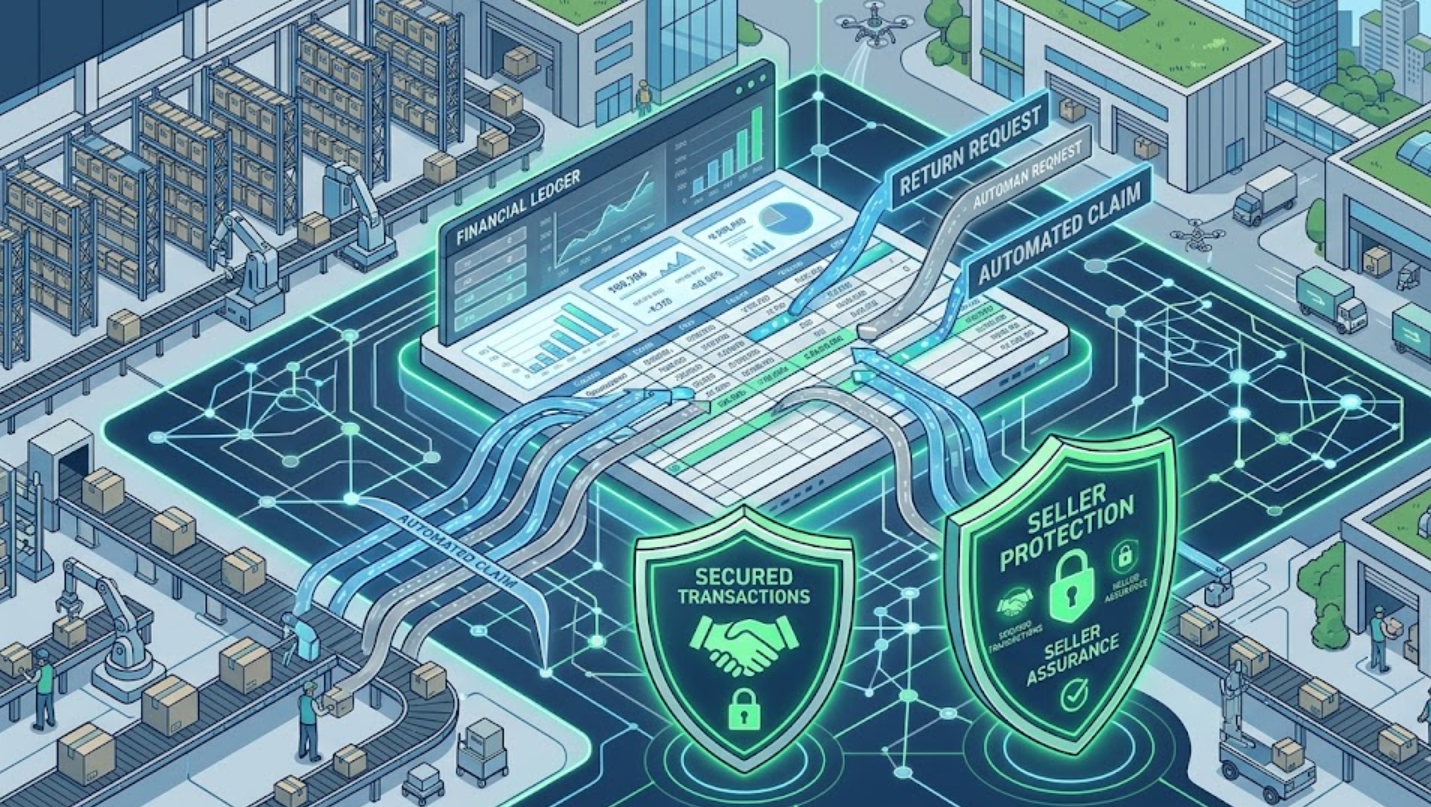
Navigating Amazon's A-to-Z Guarantee: Mitigating Seller-Funded Return Abuse
Amazon's automated A-to-Z Guarantee claims and escalating return abuse present a critical financial challenge for e-commerce sellers, often leading to uninvestigated, seller-funded losses. This trend, exacerbated by strict enforcement of doctrines like the First Sale Rule, necessitates proactive strategies to protect seller profitability. Understanding these dynamics and implementing robust mitigation tactics is essential for sustainable online business operations.
2026-04-29


