

Definition
The Liftgate Fee is an accessorial charge assessed by a motor carrier when the final delivery destination does not possess a traditional loading dock or adequate equipment (like a forklift) to receive freight. The fee covers the cost of providing, operating, and maintaining a hydraulic platform—the liftgate—affixed to the rear of the truck or trailer, which lowers the cargo safely to street level.
Core Process and Function
When a shipment is booked and the destination address is identified as needing ground-level delivery, Logicmile will proactively request the trucker to provide a liftgate service. This necessary action triggers the associated fee.
This charge is non-negotiable once the service is rendered, as the trucker is expending time and specialized equipment to complete the unloading process. The Liftgate and Other Trucking Fee may also encompass similar unloading charges necessary for safe ground delivery, such as the use of a pallet jack to move cargo from the truck to the curb.
• Purpose: To facilitate safe, dock-free unloading.
• Application: Primarily used in Less-Than-Truckload (LTL) and Final Mile deliveries.
• Billing: Typically appears on your quote or invoice as a destination charge.
Expert Advice
Importers and shippers must always disclose the exact capabilities of the receiving location during the booking phase. Misrepresenting the delivery site's setup (claiming it has a dock when it does not) will result in a surprise accessorial fee, which is often significantly higher than the pre-quoted liftgate charge.
To minimize or avoid this fee entirely, consider the following strategies:
• Deliver to a commercial business address that has a dedicated loading dock or receiving bay.
• Arrange for the consignee to provide their own certified unloading equipment, such as a forklift, and ensure they are ready to receive the goods immediately upon the carrier's arrival.
-

Navigating Amazon's Account Level Reserve (ALR) and Cash Flow Throttling: A Guide for Sellers
Amazon's Account Level Reserve (ALR) and "Delivery Date + 7 days" (DD+7) disbursement policies are severely impacting seller cash flow, making it challenging to pay suppliers and restock inventory. Understanding these mechanisms is crucial for maintaining financial stability and operational efficiency in e-commerce. Strategic logistics and proactive financial planning can help mitigate these significant funding delays.
2026-05-06
-
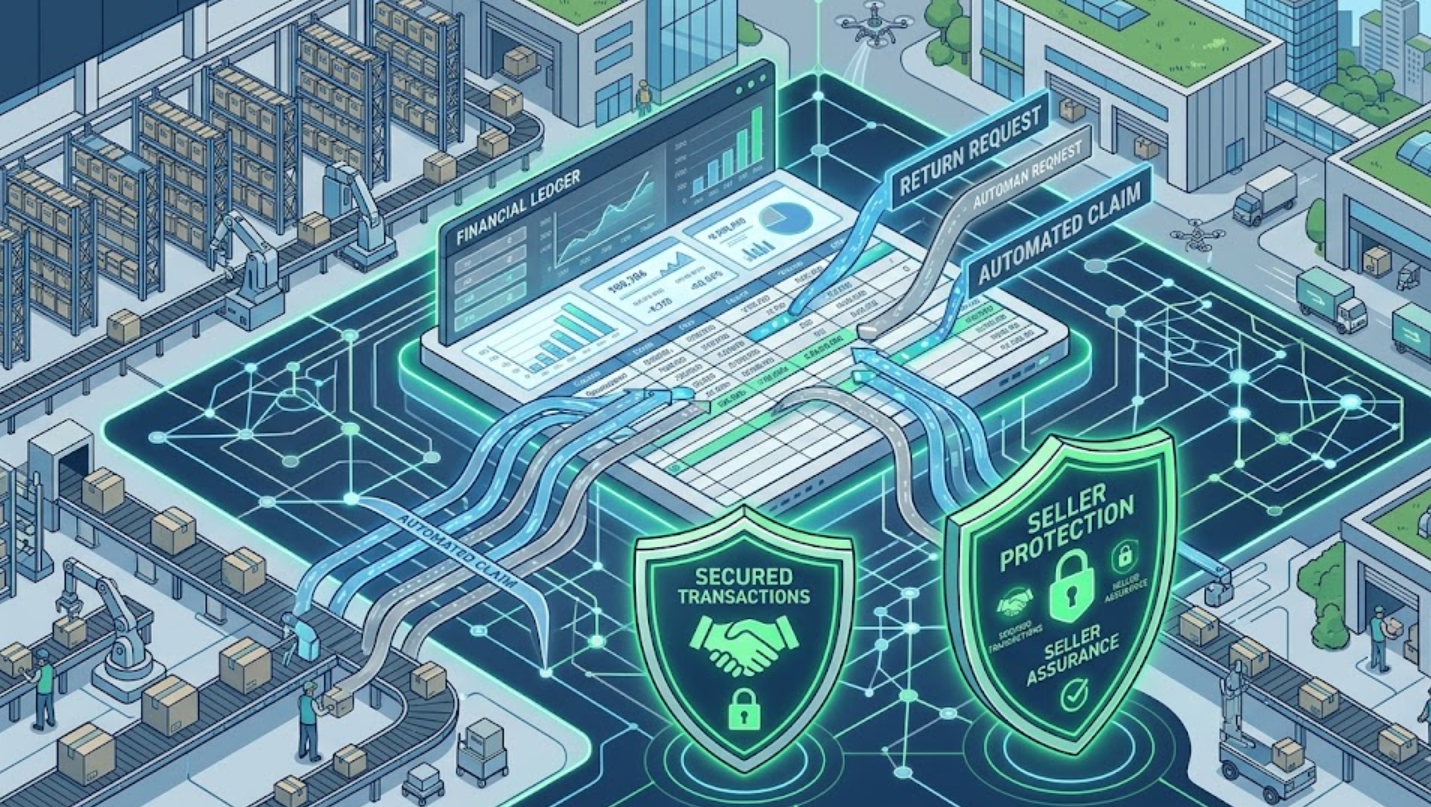
Navigating Amazon's A-to-Z Guarantee: Mitigating Seller-Funded Return Abuse
Amazon's automated A-to-Z Guarantee claims and escalating return abuse present a critical financial challenge for e-commerce sellers, often leading to uninvestigated, seller-funded losses. This trend, exacerbated by strict enforcement of doctrines like the First Sale Rule, necessitates proactive strategies to protect seller profitability. Understanding these dynamics and implementing robust mitigation tactics is essential for sustainable online business operations.
2026-04-29


