

Definition
A Letter of Indemnity (LOI) is a formal contractual agreement where one party (typically the shipper) agrees to hold another party (the carrier or forwarder) harmless from any specific liability, loss, damage, or expense that may arise from a particular action or breach of contract.
This document legally obligates the signing party to take full responsibility for any resulting damages, protecting the indemnified party from financial claims.
Core Functions and Necessity
The LOI is most commonly requested when standard shipping procedures cannot be followed, requiring the freight forwarder or carrier to assume an elevated level of risk. The primary function is risk mitigation for the service provider.
• Release Without Original Bill of Lading: If a shipment is released via telex release, or if the original B/L is lost or delayed, the consignee receives cargo without presenting an endorsed original document. The LOI confirms that the carrier can release the goods to the consignee, protecting the carrier should the original B/L holder later dispute the delivery.
• Special Cargo Handling: Ocean carriers may also mandate an LOI for specific high-risk goods, such as certain types of lithium battery shipments, ensuring the shipper shoulders liability for potential hazards or undisclosed risk.
Expert Advice and Key Takeaways
Issuing an LOI is a serious financial commitment that transfers significant liability. Logicmile advises clients to understand the implications before signing.
• LOI is not Insurance: It shifts financial responsibility but does not replace standard cargo insurance against loss or damage to the goods themselves.
• Know Your Risk: By signing an LOI, the shipper accepts financial exposure related to the requested action (e.g., misdelivery or improper handling).
• Operational Speed: While risky, the LOI is often essential for facilitating faster cargo release, helping to prevent costly demurrage and detention charges when documentation fails to arrive on time.
-

Navigating Amazon's Account Level Reserve (ALR) and Cash Flow Throttling: A Guide for Sellers
Amazon's Account Level Reserve (ALR) and "Delivery Date + 7 days" (DD+7) disbursement policies are severely impacting seller cash flow, making it challenging to pay suppliers and restock inventory. Understanding these mechanisms is crucial for maintaining financial stability and operational efficiency in e-commerce. Strategic logistics and proactive financial planning can help mitigate these significant funding delays.
2026-05-06
-
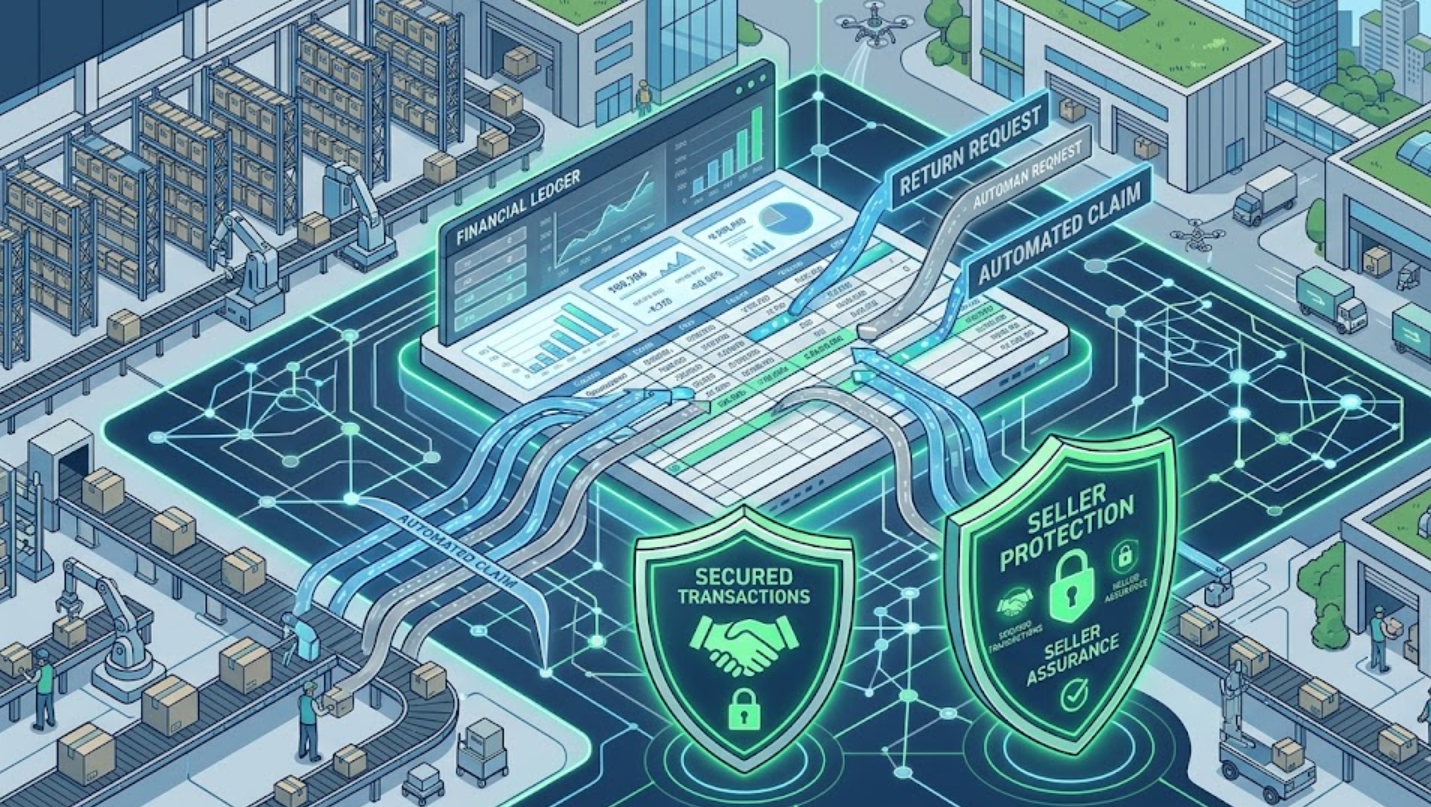
Navigating Amazon's A-to-Z Guarantee: Mitigating Seller-Funded Return Abuse
Amazon's automated A-to-Z Guarantee claims and escalating return abuse present a critical financial challenge for e-commerce sellers, often leading to uninvestigated, seller-funded losses. This trend, exacerbated by strict enforcement of doctrines like the First Sale Rule, necessitates proactive strategies to protect seller profitability. Understanding these dynamics and implementing robust mitigation tactics is essential for sustainable online business operations.
2026-04-29


