

Definition
LTL (Less than Truckload) refers to the movement of shipments that are too large for standard parcel service but do not require the entire capacity of a semi-trailer. These shipments utilize only a portion of the available space, allowing the carrier to combine cargo from several shippers onto the same vehicle, thereby dividing the transportation cost among all parties.
Core Process
The central function of LTL relies on a hub-and-spoke network system. Unlike Full Truckload (FTL) shipments which move directly from origin to destination, LTL cargo undergoes a multi-stop process involving multiple pickups, terminals, and deliveries.
Because LTL trucks make multiple stops for pickup and delivery, and cargo is handled between terminals en route, transit times are inherently longer than FTL services. For example, a shipment moving from Los Angeles to New York might involve intermediate stops in Phoenix and Dallas terminals for sorting and reloading onto different trucks before reaching the final destination.
Expert Advice
While LTL is highly economical, shippers must account for the extended transit times inherent in the process. The multiple handling points increase the risk profile compared to FTL. To mitigate potential delays and damage, always ensure precise classification (NMFC code) and robust packaging. Utilizing a logistics consultant ensures optimal routing and helps manage complex rate structures, maximizing cost savings without sacrificing reliability.
Key Takeaways
• LTL is ideal for shipments generally weighing between 150 lbs and 15,000 lbs.
• Transit times are longer than FTL because trucks stop at multiple terminals and the cargo is handled multiple times.
• The primary cost benefit comes from sharing trailer space and fuel expenses with other shippers.
• Proper freight classification and packaging are critical for accurate pricing and protection during handling.
-

Navigating Amazon's Account Level Reserve (ALR) and Cash Flow Throttling: A Guide for Sellers
Amazon's Account Level Reserve (ALR) and "Delivery Date + 7 days" (DD+7) disbursement policies are severely impacting seller cash flow, making it challenging to pay suppliers and restock inventory. Understanding these mechanisms is crucial for maintaining financial stability and operational efficiency in e-commerce. Strategic logistics and proactive financial planning can help mitigate these significant funding delays.
2026-05-06
-
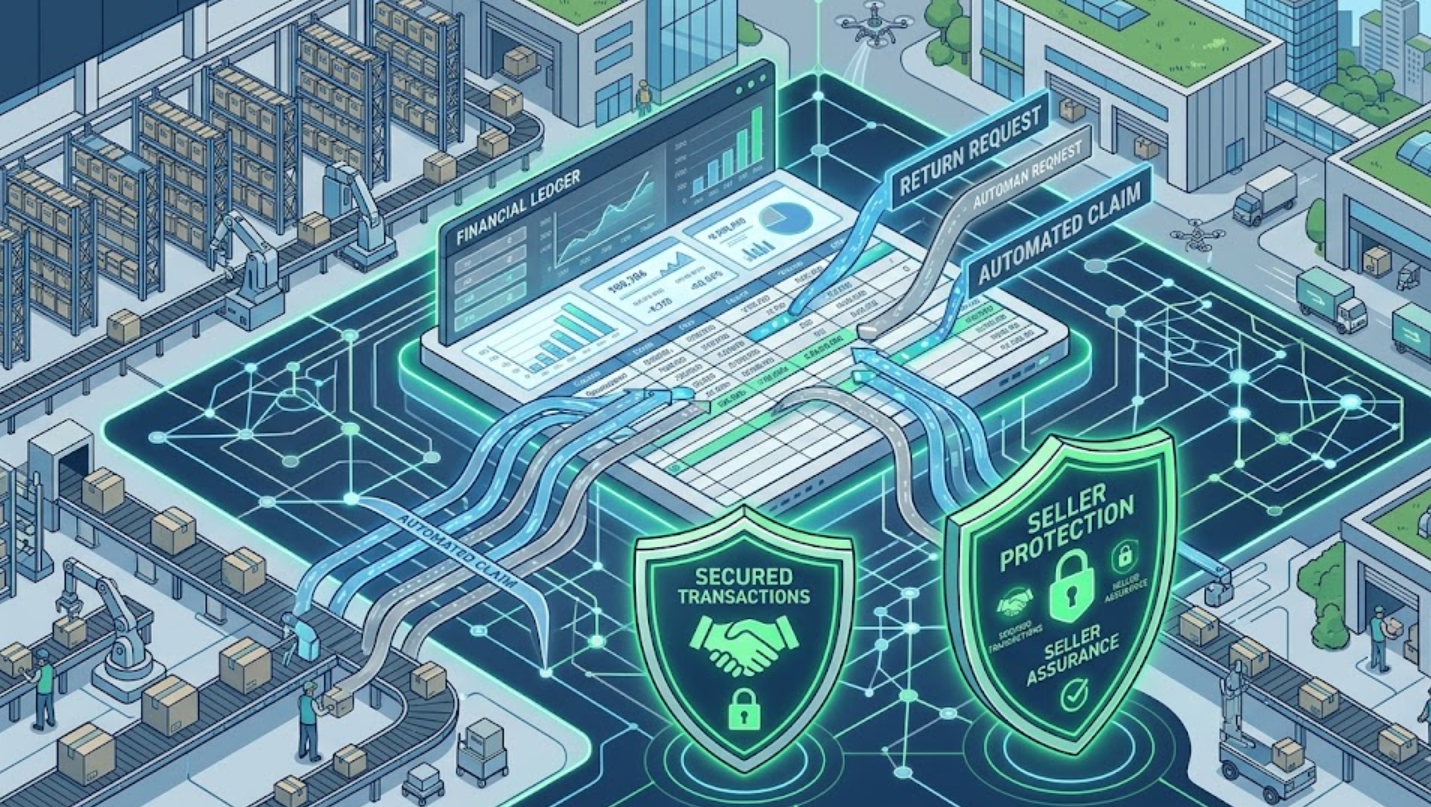
Navigating Amazon's A-to-Z Guarantee: Mitigating Seller-Funded Return Abuse
Amazon's automated A-to-Z Guarantee claims and escalating return abuse present a critical financial challenge for e-commerce sellers, often leading to uninvestigated, seller-funded losses. This trend, exacerbated by strict enforcement of doctrines like the First Sale Rule, necessitates proactive strategies to protect seller profitability. Understanding these dynamics and implementing robust mitigation tactics is essential for sustainable online business operations.
2026-04-29


