

Definition
LCL (Less than Container Load) is an ocean shipping mode utilized when a shipper does not possess enough cargo volume to justify booking an entire container (FCL). Instead, the shipper pays only for the space their freight occupies within a shared container, making international shipping accessible for smaller inventory volumes.
Core Process
The LCL shipping process relies heavily on specialized logistics infrastructure for handling and shared utilization:
• Consolidation: The cargo is first delivered to and consolidated with other LCL shipments at a Container Freight Station (CFS) at the origin port.
• Gating: The fully packed, consolidated container then gates in at the Container Yard (CY) to be loaded onto the vessel.
• Deconsolidation: Upon arrival at the destination port, the container is transferred to a destination CFS where the individual LCL shipments are separated and sorted for final delivery to consignees.
Expert Advice
When deciding on LCL, volume and urgency are the primary factors. While LCL is significantly more cost-effective for shipments under approximately 15 CBM, it typically involves longer transit times and higher relative handling fees compared to FCL due to the necessary consolidation and deconsolidation steps.
• Pricing Calculation: LCL pricing is calculated based on volume (CBM, or cubic meters) or weight, whichever factor yields the greater revenue for the carrier or consolidator.
• Time Tradeoff: Be mindful that LCL transit times can be 1 to 2 weeks longer than FCL lanes due to the additional required handling and fixed sailing schedules.
• Optimal Use: Use LCL when volume is low and cost savings outweigh the need for speed. For larger or time-sensitive shipments, a comparison with FCL is essential.
Key Takeaways
• LCL is volume-based, ideal for cargo volumes typically below 15 CBM.
• Utilizes the Container Freight Station (CFS) model for specialized handling.
• Offers significant cost savings over air freight for non-urgent small cargo.
• Involves higher terminal handling charges relative to FCL.
-

Navigating Amazon's Account Level Reserve (ALR) and Cash Flow Throttling: A Guide for Sellers
Amazon's Account Level Reserve (ALR) and "Delivery Date + 7 days" (DD+7) disbursement policies are severely impacting seller cash flow, making it challenging to pay suppliers and restock inventory. Understanding these mechanisms is crucial for maintaining financial stability and operational efficiency in e-commerce. Strategic logistics and proactive financial planning can help mitigate these significant funding delays.
2026-05-06
-
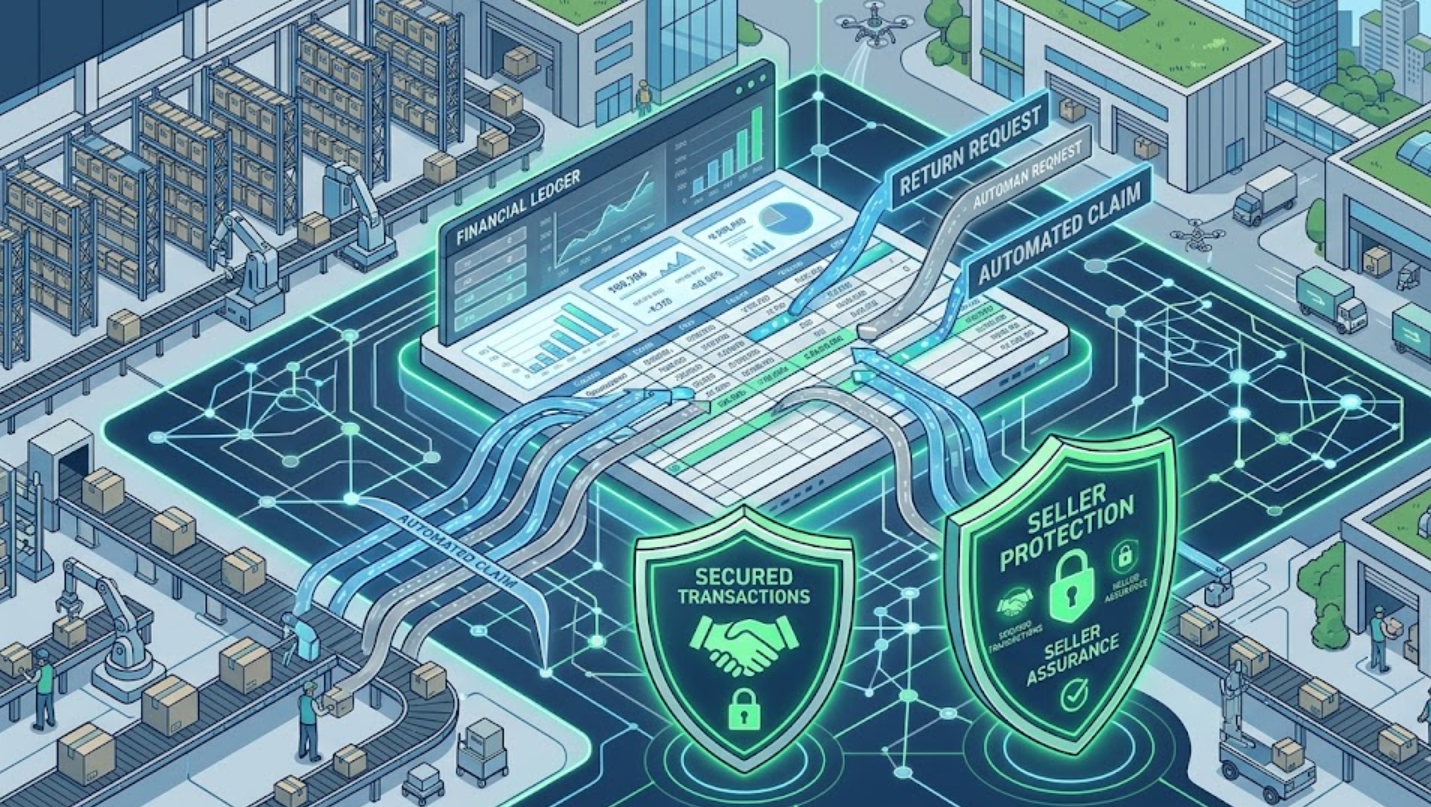
Navigating Amazon's A-to-Z Guarantee: Mitigating Seller-Funded Return Abuse
Amazon's automated A-to-Z Guarantee claims and escalating return abuse present a critical financial challenge for e-commerce sellers, often leading to uninvestigated, seller-funded losses. This trend, exacerbated by strict enforcement of doctrines like the First Sale Rule, necessitates proactive strategies to protect seller profitability. Understanding these dynamics and implementing robust mitigation tactics is essential for sustainable online business operations.
2026-04-29


