

Definition
Interruption of Transit Coverage (ITC) is a specialized provision, commonly embedded within broader cargo insurance policies, designed to protect the owner of goods against financial consequences when the movement or transit of their shipment is involuntarily halted or significantly delayed. This protection applies specifically when the cause of the delay or interruption is a risk explicitly insured against in the policy document.
Core Function and Scope
The central role of ITC is to mitigate the financial impact of unforeseen and insured events, such as catastrophic accidents, severe natural disasters, or labor strikes affecting ports or transport hubs. The coverage extends beyond the physical loss or damage to the cargo itself; it addresses the ancillary costs that arise directly from the transit interruption.
• Coverage for additional expenses, such as unforeseen temporary storage fees.
• Reimbursement for the cost of securing or arranging alternative, often expedited, transportation.
• Protection against certain financial losses stemming from the inability to meet delivery schedules caused by the insured peril.
Expert Advice
Logicmile Consulting stresses the critical importance of policy clarity. Businesses must fully understand the distinction between a standard operational delay (often excluded) and an insurable interruption event. We recommend scrutinizing the definition of "insured risk" in the policy terms. For complex global logistics chains involving multiple carriers and modalities, ensuring that the ITC clause remains valid across all transit legs—from initial pickup to final delivery—is essential for comprehensive risk management.
Key Takeaways
• Policy Activation: ITC only triggers when the delay or interruption is directly caused by a peril defined as an insured risk (e.g., major accident, fire, or insured political risk).
• Financial Buffer: Provides essential capital to manage unforeseen expenditures like expedited freight costs or extended warehousing bills.
• Supply Chain Resilience: This coverage is crucial for operations utilizing Just-in-Time (JIT) delivery systems, where delays rapidly translate into significant financial liabilities.
-

Navigating Amazon's Account Level Reserve (ALR) and Cash Flow Throttling: A Guide for Sellers
Amazon's Account Level Reserve (ALR) and "Delivery Date + 7 days" (DD+7) disbursement policies are severely impacting seller cash flow, making it challenging to pay suppliers and restock inventory. Understanding these mechanisms is crucial for maintaining financial stability and operational efficiency in e-commerce. Strategic logistics and proactive financial planning can help mitigate these significant funding delays.
2026-05-06
-
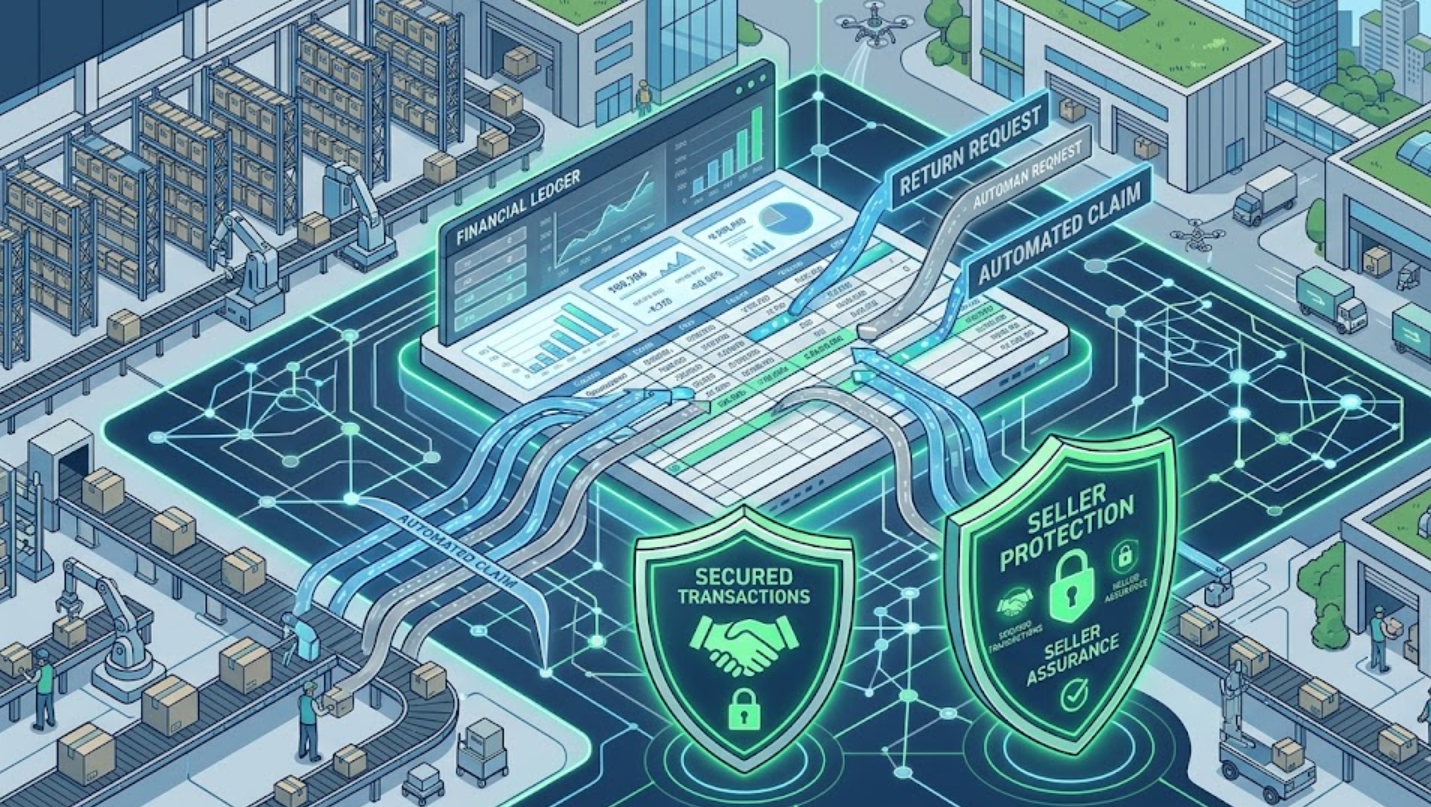
Navigating Amazon's A-to-Z Guarantee: Mitigating Seller-Funded Return Abuse
Amazon's automated A-to-Z Guarantee claims and escalating return abuse present a critical financial challenge for e-commerce sellers, often leading to uninvestigated, seller-funded losses. This trend, exacerbated by strict enforcement of doctrines like the First Sale Rule, necessitates proactive strategies to protect seller profitability. Understanding these dynamics and implementing robust mitigation tactics is essential for sustainable online business operations.
2026-04-29


